Is Knowledge the Most Enduring Instrument of Social Transformation?
Synopsis
Vice President C.P. Radhakrishnan's visit to the Gandhi Ashram in New Delhi highlights the profound impact of knowledge in driving social change. This event features the inauguration of the Mahadev Desai Library Extension and emphasizes the importance of character and community service.
Key Takeaways
Knowledge is a vital tool for social transformation.
The inauguration of the Mahadev Desai Library symbolizes a commitment to education.
Character defines a person more than their birth.
Service to society is essential for nation-building.
Historical figures from Gujarat played crucial roles in India's development.
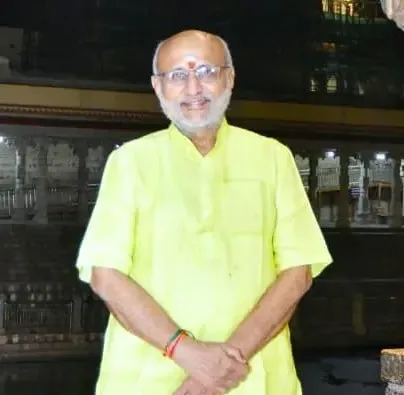
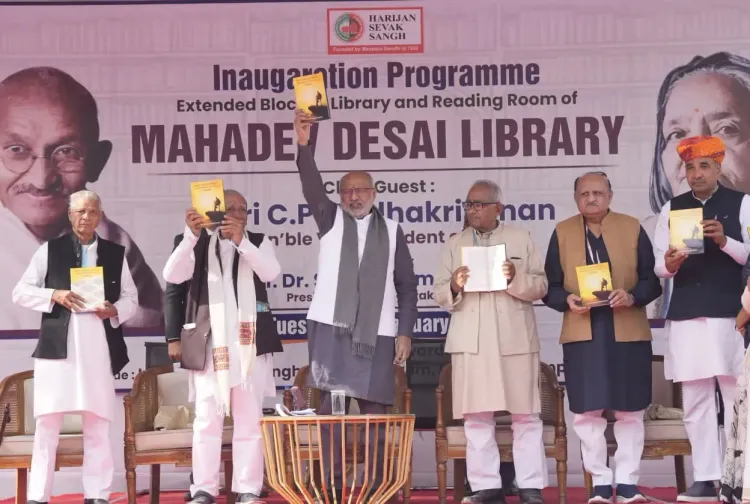
New Delhi, Jan 20 (NationPress) Vice President C.P. Radhakrishnan embarked on a visit to the Harijan Sevak Sangh at the historic Gandhi Ashram in New Delhi on Tuesday, where he inaugurated the Mahadev Desai Library Extension. He emphasized that knowledge stands as the most enduring tool for social transformation.
During his visit, the Vice President toured the Kasturba Museum, which holds significance as the residence of Mahatma Gandhi and Kasturba Gandhi during their stays in Delhi in the 1930s and 1940s, according to an official statement.
He expressed that the visit was profoundly emotional. Walking through the Ashram, including the modest home and kitchen utilized by Kasturba Ba, served as a poignant reminder of the simple lives led by India's leaders, characterized by sacrifice, simplicity, and resolute determination.
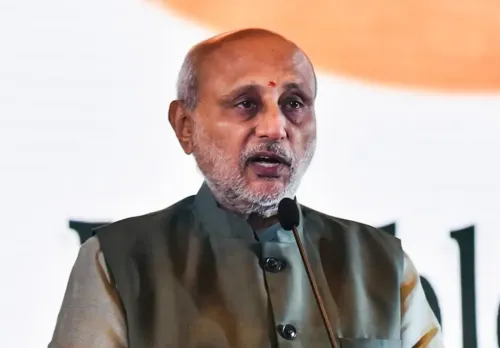
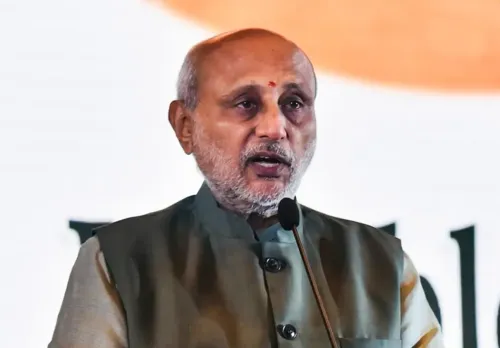
In his address, the Vice President articulated that the inauguration of the Mahadev Desai Library extension signifies more than just a physical expansion; it is a reaffirmation of the belief in the transformative power of education.
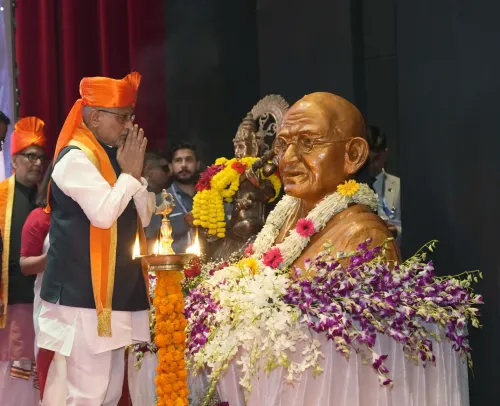
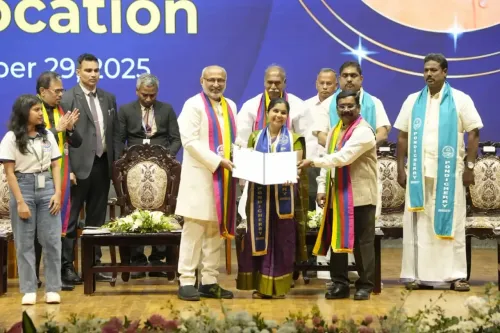
Furthermore, during the program, he unveiled the book titled “Age of Enlightenment: Mahatma Gandhi’s Vision,” penned by Prof. Dr. Sankar Kumar Sanyal, dedicated to the Gandhian community. He also honored the legacies of Mahatma Gandhi, Thakkar Bapa, and Vinoba Bhave with floral tributes.
Reflecting on Mahatma Gandhi’s personal transformation, the Vice President recounted how Gandhiji's choice to abandon Western clothing was influenced by his experiences with the poverty of Indian farmers, notably at the Madurai railway station, leading him to adopt the Dhoti.
This transformation illustrated Gandhiji’s lifelong pledge to connect with the masses and advocate for their upliftment. He also highlighted Gandhiji’s support for swadeshi, opposing the processing of Indian cotton in Manchester and its resale to Indians, instead promoting local industries.
Describing the Harijan Sevak Sangh as a seed sown by Mahatma Gandhi, the Vice President noted its enduring impact in combating social evils like untouchability through education and service. He stressed that a person's character, not their birth, defines them.
Reflecting on the legacy of former President K.R. Narayanan, the Vice President pointed out the pivotal role of the Harijan Sevak Sangh in supporting his education and shaping his future.
He expressed optimism that the Sangh would continue to cultivate more exemplary individuals, asserting that genuine service to society fosters character and conscience.
Highlighting the interdependent relationship between individuals and society, the Vice President remarked that while many overlook how society shapes them, it is crucial for every individual to give back. He emphasized that serving society is both a moral duty and a route to nation-building.
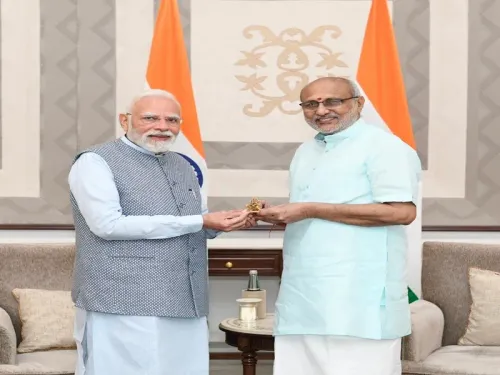
The Vice President also praised Gujarat's contributions to the nation, expressing gratitude for three monumental figures: Mahatma Gandhi for the nation's independence, Sardar Vallabhbhai Patel for national unity, and Prime Minister Narendra Modi for the country’s progress.
Point of View
Highlighting the importance of service and commitment to community welfare. As we navigate the complexities of modern India, such values remain crucial for nation-building.
NationPress
19 Sept 2026
Frequently Asked Questions
What was the purpose of Vice President Radhakrishnan's visit?
The visit was to inaugurate the Mahadev Desai Library Extension at the Gandhi Ashram, emphasizing the role of knowledge in social transformation.
What significant sites did the Vice President visit?
He visited the Harijan Sevak Sangh and the Kasturba Museum, both of which hold historical significance in the context of Mahatma Gandhi's life.
What themes did the Vice President address during his speech?
He discussed the importance of character, the role of education in overcoming social evils, and the need for individuals to serve their communities.