Is Rahul Gandhi Right to Blame the Centre for IndiGo Flight Chaos?
Synopsis
In a recent statement, Rahul Gandhi criticized the central government for the chaos caused by IndiGo flight cancellations, linking it to the Modi administration's monopoly economic model. He called for reforms and emphasized the need for fair competition in all sectors, drawing historical parallels to colonial exploitation.
Key Takeaways
Rahul Gandhi holds the government accountable for the chaos at airports.
The chaos is attributed to the monopoly model of the Modi administration.
He calls for a shift towards fair competition in all sectors.
Historical parallels are drawn to colonial exploitation .
Reforms in the corporate sector, especially aviation, are essential.
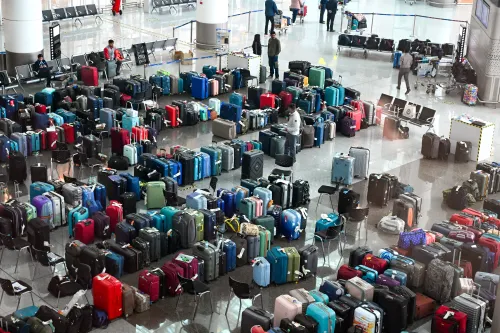
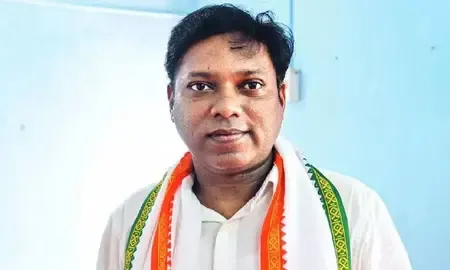
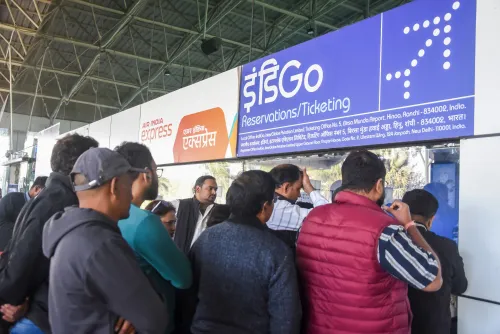
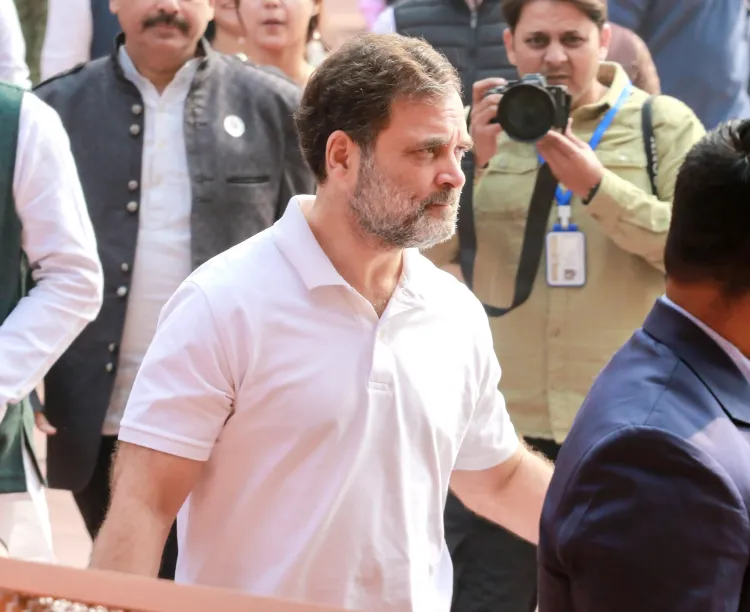
New Delhi, Dec 5 (NationPress) Amid the current turmoil at numerous airports nationwide, triggered by the cancellation of IndiGo flights, the Leader of the Opposition (LoP) Rahul Gandhi directed his criticism at the central government, holding it responsible for this extraordinary crisis. He asserted that the disarray at airports is a direct result of the Modi government's monopoly-centric economic framework.
In a post on social media platform X, he remarked: "The IndiGo debacle is the price of this government's monopoly model. Once again, it’s the ordinary Indians who bear the brunt - enduring delays, cancellations, and feelings of helplessness. India deserves equitable competition across all sectors, not collusive monopolies."
He also shared an article entitled "A new deal for Indian business," further elaborating on his views regarding monopolistic power dynamics.
"The choice is between match-fixing monopolies and fair-play businesses - the time has come to favor freedom over fear," he asserted.
The Congress leader compared today’s corporate monopoly to colonial systems, stating, "INDIA WAS SILENCED by the East India Company. It was not silenced by its business acumen, but by its stranglehold. The company subdued India by collaborating with, bribing, and intimidating our more compliant maharajas and nawabs. It dominated our banking, bureaucratic, and information channels. We didn't surrender our freedom to another nation; we lost it to a monopolistic corporation that operated a coercive apparatus."
He emphasized that although the original East India Company has long vanished, the specters of fear and monopolization have returned in contemporary India.
"The original East India Company ceased to exist over 150 years ago, but the palpable fear it instilled has resurfaced. A new class of monopolists has emerged, amassing immense wealth while India has become increasingly unequal and unjust for the majority. Our institutions are no longer accountable to our citizens; they serve the interests of monopolists. Thousands of businesses have been crushed, and India struggles to create employment for its youth. Bharat Mata is the mother of all her children. The monopolization of her resources and authority, this overt denial of the many for the benefit of a select few, has harmed her," he remarked.
Advocating for reforms in the corporate sector, especially in aviation, the Congress MP stated that the government should act as an impartial mediator, not a supporter of specific corporate interests:
"The government should not favor one business over others, nor should it endorse hidden agendas within the business landscape. Government bodies must not be wielded as instruments to threaten and intimidate businesses. However, I don’t think fear should be transferred from you to these large monopolists. They are not malevolent individuals; they are simply the result of the flaws in our societal and political environment. They deserve space, just as you do," he expressed.
"I believe a new deal for progressive Indian business is an idea whose time has come," he concluded in the article published in a leading daily.
Point of View
The statements from Rahul Gandhi reflect a significant concern regarding monopolistic practices in India. As leaders voice their opinions on such crucial issues, it is essential to maintain a balanced perspective, recognizing the need for fair competition while also addressing the broader implications for the economy.
NationPress
19 Sept 2026
Frequently Asked Questions
What caused the chaos at airports in India?
The chaos was primarily triggered by the cancellation of IndiGo flights, which has been linked to the central government's monopoly-driven economic model.
What did Rahul Gandhi say about the government's role?
Rahul Gandhi criticized the government for supporting monopolistic practices, stating that ordinary citizens are suffering due to delays and cancellations.
How does Rahul Gandhi compare today's monopolies to the past?
He likened modern monopolistic practices to those of the East India Company, claiming they suppress competition and harm the economy.
What reforms does Rahul Gandhi advocate for?
He calls for reforms in the corporate sector and urges the government to act as a neutral arbiter rather than favoring specific businesses.
What is the significance of fair competition according to Rahul Gandhi?
He emphasizes that fair competition is crucial for the economic health of the nation, ensuring that all businesses can thrive without undue interference.