Who Were the Two Arrested for Dummy Candidate Scandal in Rajasthan's Teacher Recruitment Exam?
Synopsis
In a significant crackdown on examination fraud in Rajasthan, the Special Operations Group has arrested two individuals for allegedly using dummy candidates to secure positions in the Senior Teacher Recruitment Examination. This operation highlights ongoing issues of integrity in competitive exams.
Key Takeaways
Two individuals arrested for examination fraud in Rajasthan.
Dummy candidates were used to secure teaching positions unfairly.
The investigation continues to identify other individuals involved.
Authorities are urged to enhance integrity and transparency in competitive exams.
Public trust is essential for the education system.
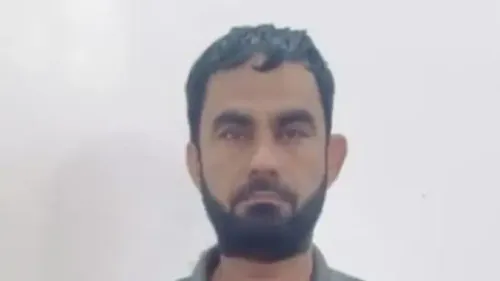
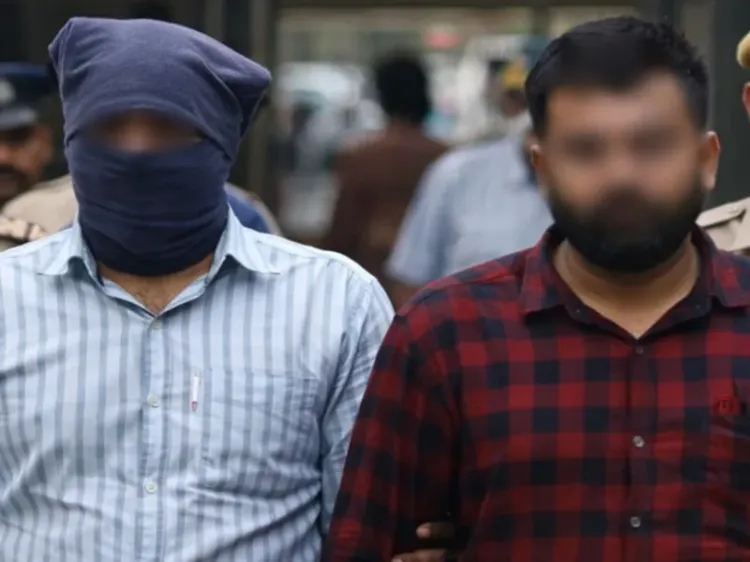
Jaipur, Dec 20 (NationPress) The Special Operations Group (SOG) has conducted a significant operation against examination fraud in Rajasthan, detaining two primary suspects for reportedly obtaining selection in the Senior Teacher (Secondary Education) Recruitment Examination-2022 through the use of dummy candidates.
The individuals arrested have been named as Dinesh Kumar, son of Babu Lal, and Dinesh Kumar, son of Asuram Bishnoi.
According to Additional Director General of Police (SOG) Vishal Bansal, both suspects had evaded capture for nearly two years. The court had issued permanent arrest warrants against them, and the SOG had offered a reward of Rs 5,000 for information leading to their capture.
Investigations revealed that dummy candidates represented the suspects on January 29, 2023, during the General Knowledge and Educational Psychology sections of the recruitment examination.
Based on this alleged impersonation, the suspects were subsequently selected for the Senior Teacher (Science) position.
After the investigation commenced, both went into hiding. A specialized team, under the direction of Deputy Inspector General Paris Deshmukh, located and arrested them from various locations.
Dinesh Kumar, son of Babu Lal, was apprehended in Pune, Maharashtra, while Dinesh Kumar, son of Asuram Bishnoi, was captured in Jaipur.
Police Inspector Rajbir Singh, along with constables Mahesh Kumar, Madho Singh, and Gangasahai, played crucial roles in this operation.
Additional Superintendent of Police (SOG) Prakash Kumar Sharma is overseeing the ongoing investigation, which is now aimed at identifying and detaining the dummy candidates who participated in the examination on behalf of the suspects.
The SOG is also examining substantial financial transactions associated with the fraud, working to unveil the entire network involved in this scheme.
Experts assert that the employment of dummy candidates continues to compromise the integrity of competitive examinations, presenting serious challenges to fairness and transparency.
This form of impersonation erodes public confidence, disadvantages genuine candidates, and reveals systemic weaknesses, prompting authorities to enhance surveillance, verification processes, and legal deterrents.
Point of View
The recent arrests in Rajasthan underscore the critical need for robust measures to combat examination fraud. As an editor-in-chief, it remains vital to support initiatives that enhance integrity and transparency in competitive examinations, aligning with the public's demand for fairness in the educational sector.
NationPress
27 Sept 2026
Frequently Asked Questions
What is the Senior Teacher Recruitment Examination?
The Senior Teacher Recruitment Examination is a competitive exam conducted to select candidates for teaching positions in secondary education in Rajasthan.
How did the fraud occur?
The fraud involved the use of dummy candidates who appeared on behalf of the accused during the examination, allowing them to secure positions unfairly.
What actions are being taken against the dummy candidates?
The Special Operations Group is actively investigating to identify and arrest the dummy candidates involved in the fraud.
What are the implications of this case?
This case highlights the ongoing challenges of examination integrity and the need for enhanced verification processes to protect genuine candidates.
Who is overseeing the investigation?
The investigation is being supervised by Additional Superintendent of Police (SOG) Prakash Kumar Sharma.