Ancient India had 19 world-class universities, drew global students: Rajasthan Governor
Synopsis
Rajasthan Governor Haribhau Bagde told IIIT Dharwad students that ancient India boasted the world's highest number of universities — 19 centres of higher learning — that attracted scholars from across the globe. His remarks, made under the 'Ek Bharat Shreshtha Bharat' initiative, linked India's ancient intellectual legacy directly to the goals of the National Education Policy and the 'Viksit Bharat' vision.
Key Takeaways
Rajasthan Governor Haribhau Bagde addressed IIIT Dharwad students at Lok Bhawan, Jaipur on 9 June .
He stated ancient India had the world's highest number of universities — 19 centres of higher learning — that drew students globally.
The Governor noted India's ancient civilisational reach extended to regions now part of Afghanistan, Pakistan, Bangladesh and Myanmar .
He linked the National Education Policy (NEP) to restoring pride in India's historical and cultural heritage.
Tribal freedom fighter Kalibai of Rajasthan was highlighted as an underrecognised figure in India's independence movement.
The event was held under the 'Ek Bharat Shreshtha Bharat' initiative, aimed at fostering national unity among youth.
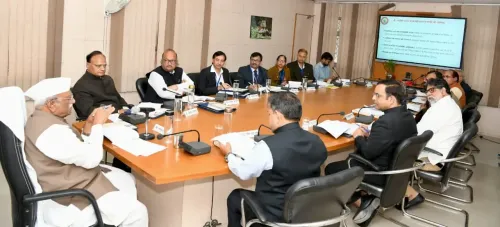
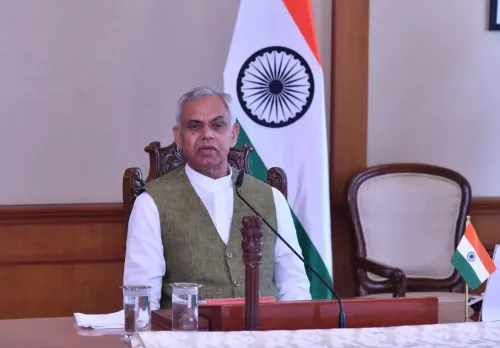
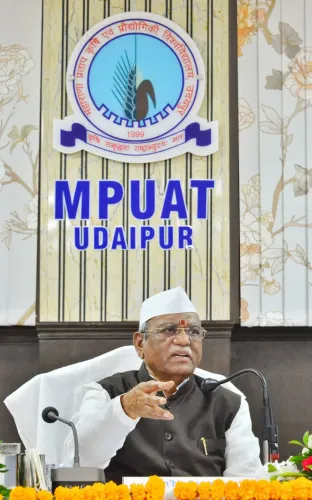
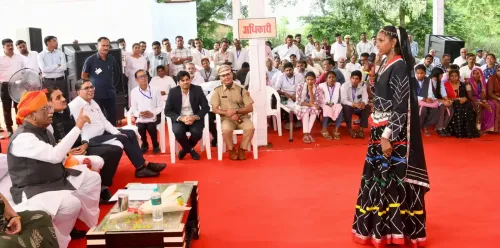
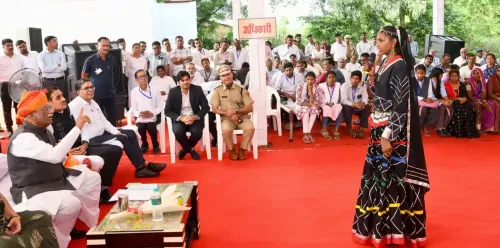
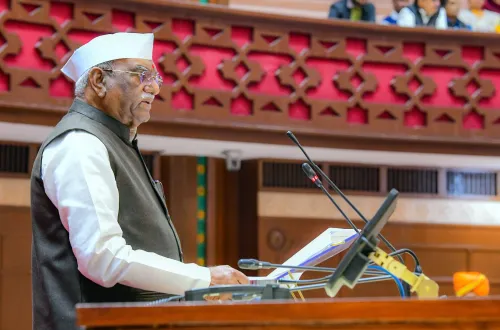
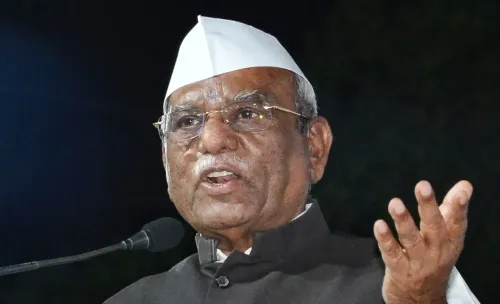
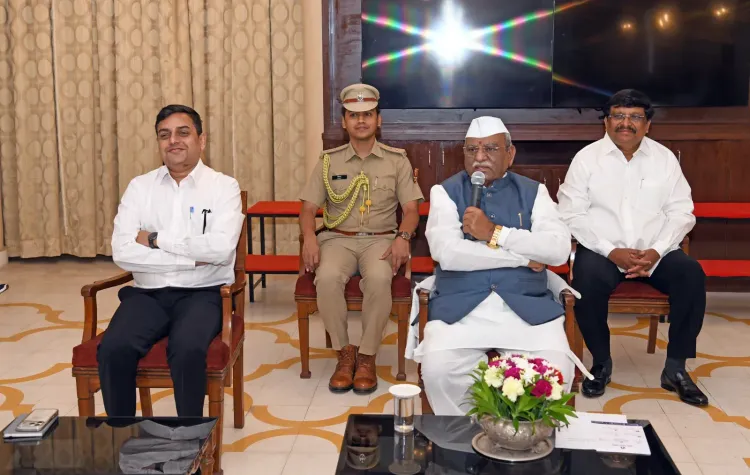
Rajasthan Governor Haribhau Bagde on Tuesday, 9 June stated that ancient India was home to the world's highest number of universities, with 19 centres of higher learning that drew students from across the globe. He made the remarks while interacting with students of the Indian Institute of Information Technology (IIIT) Dharwad, Karnataka, at Lok Bhawan in Jaipur under the 'Ek Bharat Shreshtha Bharat' initiative.
Ancient India's Educational Legacy
Governor Bagde underscored that India has long excelled in culture, knowledge and tradition, and stressed the need to restore the nation to that historic position of intellectual eminence. He noted that students from distant countries once travelled to India in pursuit of education, a testament to the country's civilisational stature.
The Governor also remarked that India's geographical boundaries in ancient times were far more expansive than they are today. Referring to regions that now fall within Afghanistan, Pakistan, Bangladesh and Myanmar, he said these areas were once part of India's vast civilisational landscape.
National Education Policy and Cultural Pride
Speaking about the National Education Policy (NEP), Governor Bagde said it seeks to instil pride in India's rich heritage while equipping young people to emerge as leaders across sectors. He emphasised that students pursuing technology and professional education should also be well-acquainted with the country's historical and cultural legacy.
He connected this vision to the broader goals of 'Viksit Bharat' and 'Ek Bharat Shreshtha Bharat', describing them as frameworks centred on nurturing talent and fostering national unity among youth.
Rajasthan's Heritage and Tribal Freedom Fighters
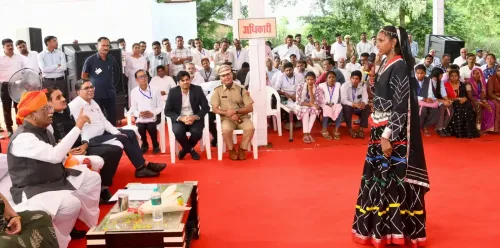
The Governor shared details about Rajasthan's tribal freedom fighter Kalibai and her contribution to India's independence movement, highlighting lesser-known chapters of the national struggle. He also acquainted the IIIT Dharwad students with Rajasthan's geography, culture and historical landmarks.
Notably, he spoke about the diversion of Narmada waters from the Sardar Sarovar Dam to Rajasthan, the significance of Chittorgarh Fort, and the history of the Gang Canal, regarded as one of the world's largest lined canals.
Key Officials Present
Prithvi Raj, Secretary to the Rajasthan Governor, was also present at the interaction. The event was part of a broader outreach under the 'Ek Bharat Shreshtha Bharat' programme, which facilitates cultural and educational exchange between students from different states.
The interaction signals a continued governmental push to weave historical and cultural awareness into modern technical education, with the NEP serving as the policy backbone for this integration.
Point of View
Typically pointing to institutions like Nalanda and Takshashila — but the figure of 19 is not universally corroborated by historians and warrants attribution. The broader framing — tying ancient civilisational geography to present-day national identity — reflects a deliberate pedagogical shift under the NEP era, where historical pride is being formally embedded into technical education. Whether this enriches or distracts STEM students is a debate worth having. The inclusion of regions like Afghanistan and Pakistan within India's ancient 'civilisational landscape' is historically layered and politically charged; mainstream coverage rarely flags that distinction.
NationPress
23 Oct 2026
Frequently Asked Questions
What did Rajasthan Governor Haribhau Bagde say about ancient India's universities?
Governor Bagde stated that ancient India was home to the world's highest number of universities, with 19 centres of higher learning that attracted students from across the globe. He made these remarks on 9 June while addressing IIIT Dharwad students in Jaipur.
What is the 'Ek Bharat Shreshtha Bharat' initiative?
'Ek Bharat Shreshtha Bharat' is a Central Government programme designed to promote cultural and educational exchange between students from different Indian states, fostering national unity and mutual understanding of diverse regional heritages.
How does the National Education Policy relate to India's cultural heritage?
According to Governor Bagde, the National Education Policy seeks to instil pride in India's rich historical and cultural legacy while equipping students — including those in technology and professional streams — to become leaders across sectors. It serves as the policy framework for integrating cultural awareness into modern education.
Who is Kalibai, mentioned by the Rajasthan Governor?
Kalibai is a tribal freedom fighter from Rajasthan recognised for her contribution to India's independence movement. Governor Bagde highlighted her story to acquaint IIIT Dharwad students with lesser-known figures from Rajasthan's historical legacy.
Which Rajasthan landmarks did Governor Bagde discuss with the students?
The Governor spoke about the diversion of Narmada waters from the Sardar Sarovar Dam to Rajasthan, the historical significance of Chittorgarh Fort, and the Gang Canal, which is regarded as one of the world's largest lined canals.