Rajasthan teachers' body demands politics-free schools after CJP dispute
Synopsis
A Rajasthan teachers' federation has drawn a firm line: civil society groups cannot walk into government schools uninvited. The demand follows a reported clash between CJP activists and villagers in Jaipur district, and puts the spotlight on who gets to oversee public education — and through which channels.
Key Takeaways
The Akhil Bharatiya Rashtriya Shaikshiik Mahasangh objected to unauthorised entry and political activity in government schools following a CJP -villager dispute in Jaipur district .
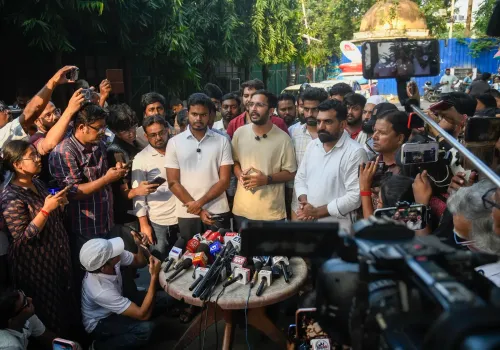
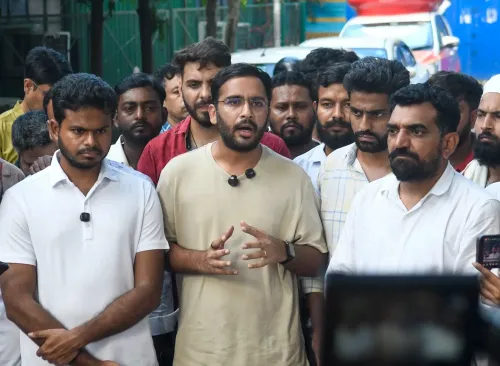
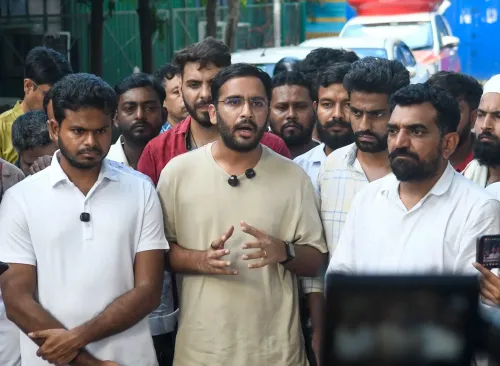
CJP spokesperson Ashutosh Ranka and activists reportedly attempted to inspect a government school; the visit allegedly escalated into a physical altercation.
State Vice President Sanjeev Vyas said grievances must be routed through the Education Department and district administration, not direct school visits.
The federation said rules on school access must apply equally to all organisations, with no selective enforcement.
It expressed support for education reforms under Chief Minister Bhajan Lal Sharma and Education Minister Madan Dilawar , covering approximately 10,000 schools in Rajasthan.
A teachers' federation in Rajasthan has called for keeping government schools free of political activities and unauthorised external interference, following a confrontation between Citizens for Justice and Peace (CJP) activists and local villagers in Jaipur district. The incident has reignited debate over who has the right to enter and inspect state-run schools.
What Triggered the Dispute
According to the Akhil Bharatiya Rashtriya Shaikshiik Mahasangh, CJP spokesperson Ashutosh Ranka and a group of activists had reportedly attempted to inspect a government school in the Jaipur district. Local villagers opposed the visit, and the situation allegedly escalated into verbal abuse and a physical altercation. The federation was careful to note that it does not condone the alleged assault or violence during the incident.
Federation's Stand on School Access
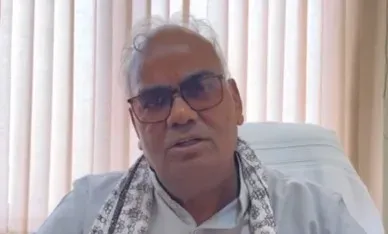
State Vice President Sanjeev Vyas, speaking at a press conference in Jodhpur on Saturday, said that any individual, organisation, or group with grievances regarding a government school's management, facilities, teacher availability, or education quality must route complaints through the Education Department and district administration. He stressed that teachers would oppose entry by anyone who had not followed the prescribed authorisation process.
The federation was explicit that these rules must apply uniformly and not be selectively enforced against any particular individual or organisation — a statement that appeared aimed at pre-empting accusations of political bias.
Backing Government Education Reforms
The federation expressed support for education reforms being pursued by Chief Minister Bhajan Lal Sharma and Education Minister Madan Dilawar, saying efforts are underway to improve resources and the quality of instruction in government schools. Vyas described government schools as akin to Tirtha — places of learning and respect — and said the federation is actively working to transform them into credible centres of education.
He added that teachers affiliated with the organisation are engaged in improving physical infrastructure and academic standards across approximately 10,000 schools in Rajasthan, and that the government has prepared plans to upgrade dilapidated school buildings.
Institutional Channels, Not Direct Action
The federation maintained that concerns about government schools are legitimate and should be raised — but only through established institutional and administrative mechanisms, so the academic environment remains undisturbed. It expressed support for government guidelines designed to prevent external and political interference on school premises.
This comes amid a broader national conversation about civil society access to public institutions, with organisations like CJP arguing that citizen oversight of government services — including schools — is a democratic right. The Rajasthan federation's position draws a line between that principle and what it characterises as unauthorised, disruptive entry.
How the state government and education authorities respond to the federation's demands is likely to shape the rules of engagement for civil society groups seeking to monitor public schools in Rajasthan.
Point of View
The federation effectively channels oversight through the very institution being scrutinised — a structural conflict of interest that deserves scrutiny. The rider that rules apply 'equally to all' is notable, signalling awareness that a selective reading could be used to block inconvenient inspections while permitting friendly ones.
NationPress
7 Oct 2026
Frequently Asked Questions
What triggered the dispute over political activities in Rajasthan government schools?
The dispute followed a reported attempt by CJP spokesperson Ashutosh Ranka and activists to inspect a government school in Jaipur district. Local villagers allegedly opposed the visit, leading to a verbal and physical altercation. The Akhil Bharatiya Rashtriya Shaikshiik Mahasangh responded by calling for stricter rules on school access.
What is the Akhil Bharatiya Rashtriya Shaikshiik Mahasangh's position on the incident?
The federation condemned the alleged assault and said violence cannot be a solution to any dispute. At the same time, it maintained that government schools must remain free from political activities and unauthorised external interference, and that all grievances should be raised through official channels.
How should concerns about government schools in Rajasthan be raised?
According to the federation, complaints about school management, facilities, teacher availability, or education quality must be submitted through the Education Department and district administration. Direct, unauthorised visits to school premises are opposed by the federation.
Who are the education officials the federation has expressed support for?
The federation expressed support for reforms being pursued by Chief Minister Bhajan Lal Sharma and Education Minister Madan Dilawar, saying their efforts are aimed at improving resources and education quality across approximately 10,000 government schools in Rajasthan.
Does the federation's rule on school access apply to all organisations equally?
Yes, the federation explicitly stated that rules on authorised school entry must apply equally to every individual and organisation, and should not be selectively enforced against any particular group.