Ranchi RSS office petrol bomb attack: ISI link probed amid low-intensity threat surge
Synopsis
The petrol bomb attack on the RSS office in Ranchi is more than a local law-and-order incident — intelligence officials say it may mark a deliberate ISI pivot toward crude, low-intensity strikes after a string of larger module busts. With one accused allegedly coached by a Dubai-based handler on bomb-making, agencies are warning that financially vulnerable individuals with no criminal records are the new recruitment target.
Key Takeaways
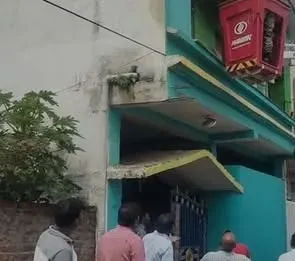
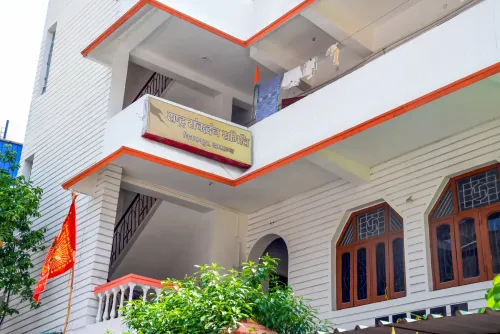
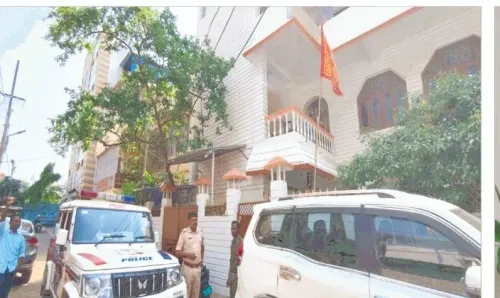
Two petrol bombs were hurled at the RSS office in Ranchi, Jharkhand on 16 June at approximately 11:35 pm ; one was found near the main gate, the other on the roof.
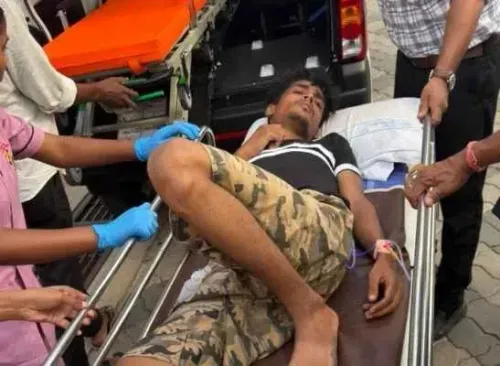
Alleged mastermind Aman Ansari has been identified; accused Saif Ansari (alias Rohit) was injured in a police encounter after reportedly attempting to escape custody.
One accused reportedly spent six months in Dubai and allegedly received bomb-making instructions from a handler identified as Rana Sahib .
Intelligence Bureau officials believe the attack reflects a broader ISI tactical shift toward low-intensity strikes following the dismantling of larger terror modules.
Agencies have warned state police to monitor petty criminals and financially vulnerable individuals as likely recruitment targets for ISI-linked handlers.
Security and intelligence agencies are intensifying their probe into the petrol bomb attack on the Rashtriya Swayamsevak Sangh (RSS) office in Ranchi, Jharkhand, on 16 June, with investigators examining a possible link to Pakistan's Inter-Services Intelligence (ISI). Officials believe the incident may signal a deliberate tactical shift by ISI-backed operatives toward low-intensity strikes following the dismantling of larger terror networks across India.
What Happened on the Night of 16 June
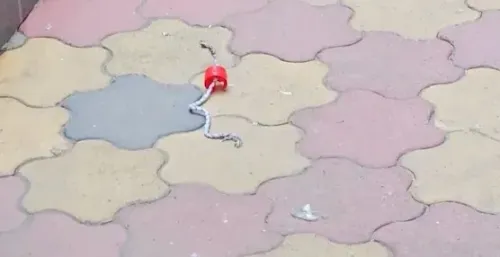
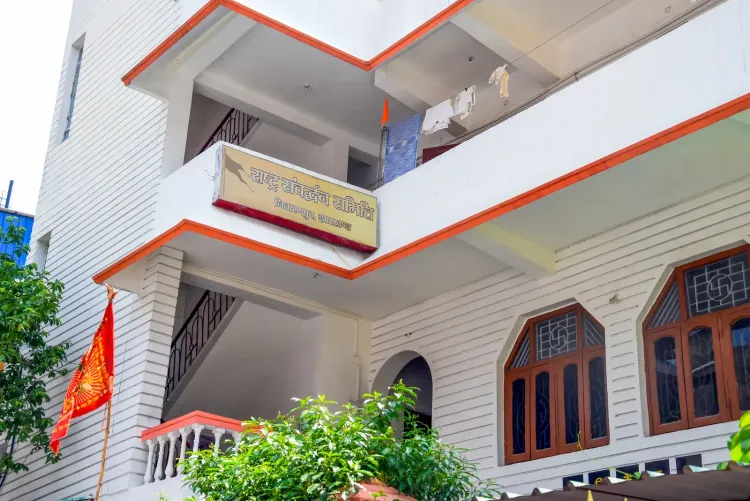
At approximately 11:35 pm on 16 June, two petrol bombs were hurled at the RSS office in Ranchi. One device was recovered near the main gate; the second landed on the roof of the building. Investigators have identified Aman Ansari as the alleged mastermind behind the attack. A second accused, Saif Ansari — who allegedly operated under the alias Rohit — sustained injuries during a police encounter after reportedly attempting to flee custody. The investigation remains ongoing.
The ISI Connection Investigators Are Pursuing
According to intelligence officials, one of the accused had reportedly spent six months in Dubai and was jailed there during his stay. Agencies allege he was in contact with a handler identified as Rana Sahib, who is said to have shared instructional videos on assembling petrol bombs. Investigators suspect the involvement of a small, locally embedded module with possible ISI linkages.
Intelligence Bureau officials noted that several terror and espionage modules have been dismantled across the country in recent months, placing existing networks under significant pressure. In earlier cases, recruits had allegedly installed solar-powered CCTV cameras at strategic locations to gather intelligence on potential targets — a level of sophistication that contrasts sharply with the crude nature of the Ranchi attack.
A Shift in Terror Tactics
'Low-intensity attacks need very little planning, and hitting important locations with petrol bombs hardly requires any speciality,' an Intelligence Bureau official said. A second official added: 'The Pakistani spy agency, after having failed in recent months to carry out any major attack, will rely on such tactics to keep the country on the boil.'
Officials believe the ISI may be temporarily deferring large-scale strike plans while attempting to reconstitute disrupted networks. Modules dismantled in recent months were allegedly tasked with targeting railway stations and sensitive military installations. Sustained surveillance by security agencies is credited with preventing those plots from materialising, reportedly forcing a strategic reassessment.
Who Could Be Targeted for Recruitment
Intelligence agencies have advised state police forces to closely monitor petty criminals and financially vulnerable individuals, who, officials warn, are increasingly being targeted for recruitment by terror handlers. Such individuals often remain below the radar of law enforcement due to the absence of prior criminal records, making them difficult to track proactively.
Officials also cautioned against treating the Ranchi incident as an isolated act. 'If one digs deeper, a clear pattern would emerge,' an official said, pointing to a broader strategic intent behind what may appear to be sporadic, low-scale incidents.
What Security Agencies Are Watching Next
According to intelligence inputs, future operations by ISI-linked modules may increasingly focus on generating fear and psychological impact rather than causing mass casualties. Officials say the growing pressure on cross-border handlers — reflected in the rising number of arrests and module busts — is accelerating this tactical pivot toward simpler, harder-to-detect methods. State agencies have been placed on heightened alert as the investigation continues.
Point of View
Handlers pivot to lone actors and micro-cells. The more troubling signal is the recruitment profile — financially distressed individuals with no prior records, invisible to conventional surveillance. India's security architecture is well-calibrated for catching known operatives; it is far less equipped to intercept first-time actors radicalized through encrypted channels by handlers sitting in Dubai or Karachi.
NationPress
19 Sept 2026
Frequently Asked Questions
What happened at the RSS office in Ranchi on 16 June?
Two petrol bombs were thrown at the RSS office in Ranchi, Jharkhand, at approximately 11:35 pm on 16 June. One device was recovered near the main gate and the other landed on the roof of the building. Authorities have identified Aman Ansari as the alleged mastermind, and a second accused, Saif Ansari, was injured in a police encounter after reportedly trying to flee custody.
Is Pakistan's ISI suspected in the Ranchi RSS office attack?
Intelligence agencies are probing a possible ISI link. One of the accused allegedly spent six months in Dubai and is suspected to have been in contact with a handler called Rana Sahib, who reportedly shared bomb-making instructions. Officials believe a small local module with ISI connections may have carried out the attack, though the investigation is ongoing.
Why are intelligence agencies warning about low-intensity attacks?
According to Intelligence Bureau officials, the dismantling of several larger terror and espionage modules in recent months has placed ISI-linked networks under pressure, potentially pushing them toward simpler, low-cost attacks that require minimal planning. Officials say petrol bomb-style strikes can generate significant psychological impact even without technical sophistication.
Who could be targeted for recruitment by ISI-linked handlers?
Intelligence agencies have flagged petty criminals and financially vulnerable individuals as the most likely recruitment targets. Such individuals often have no prior criminal records, making them harder for law enforcement to track, and may be approached through encrypted digital channels by handlers based abroad.
What are security agencies doing in response to the Ranchi attack?
Agencies are continuing the investigation into the Ranchi incident while examining all possible angles, including external links. State police forces have been advised to heighten surveillance of vulnerable individuals. Officials have also cautioned against treating the attack as an isolated incident, saying a broader pattern is emerging from recent low-intensity strikes.