Quad momentum grows as Rubio's India visit yields critical minerals, energy deals
Synopsis
Secretary of State Rubio's New Delhi visit produced a stack of commercially significant frameworks — critical minerals, rare earths, energy security, digital infrastructure — that the USIBC says give the Quad real economic weight beyond its security origins. The question now is whether diplomatic momentum converts into actual investment and binding supply-chain commitments.
Key Takeaways
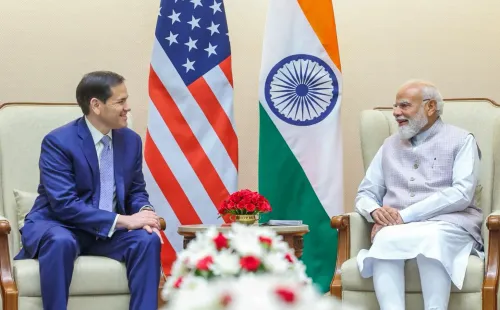
USIBC welcomed outcomes from Secretary of State Marco Rubio's visit to New Delhi on 27 May 2025 .
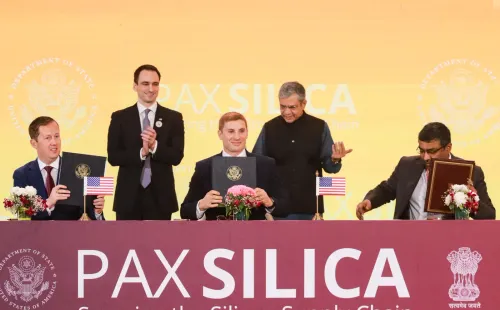
The US-India Framework on Critical Minerals and Rare Earths was signed, covering mining, processing, and rare earth magnet value chains.
The Quad Fuel Security Forum and Quad Initiative on Indo-Pacific Energy Security were launched amid Strait of Hormuz disruption concerns.
USIBC President Atul Keshap said the announcements demonstrate 'a lot of life and logic to the Quad.' Bilateral areas flagged for commercial potential include the TRUST framework , civilian nuclear power, data centres, and defence co-production.
The Quad — India , US , Japan , Australia — has expanded its agenda from security to supply chains, critical minerals, and energy.
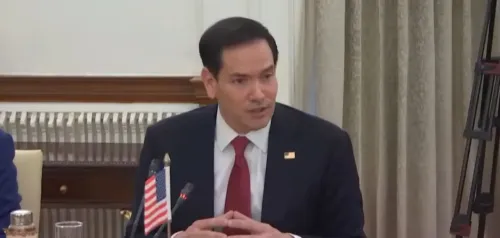
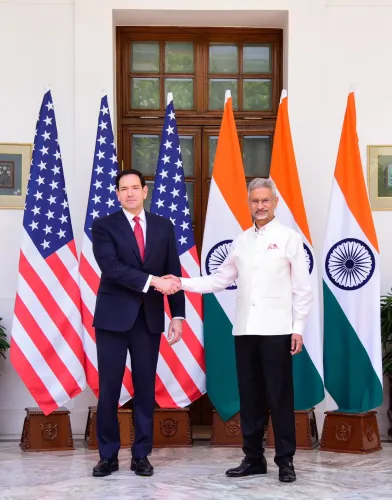
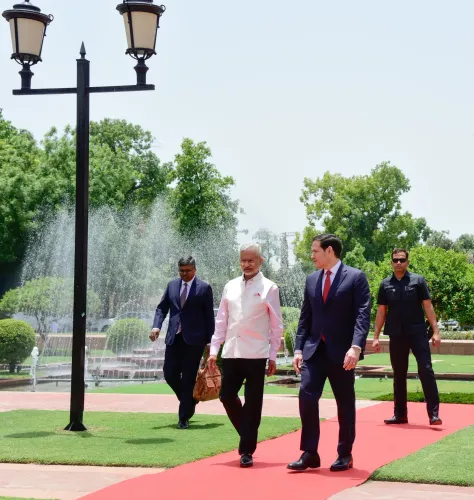
The US-India Business Council (USIBC) on Wednesday, 27 May welcomed a broad set of strategic outcomes from US Secretary of State Marco Rubio's landmark visit to New Delhi, saying the announcements signal renewed momentum in the Quad grouping and a deepening of economic ambition between India and the United States. The council highlighted frameworks on critical minerals, energy security, and digital infrastructure as commercially consequential for both nations.
Critical Minerals Framework: A Supply Chain Shift
Among the most significant outcomes was the signing of the US-India Framework on Critical Minerals and Rare Earths, which USIBC described as a major step forward in expanding bilateral cooperation across mining, processing, and advanced technology supply chains. The framework, according to the council, 'creates actionable pathways for investment, off-take agreements, co-development, and technology partnerships spanning mining, processing, and rare earth magnet value chains.' Separately, the Quad's Critical Minerals Framework — announced during the same meeting — was praised for reinforcing 'the multilateral architecture underpinning these bilateral gains.'
Energy Security Takes Centre Stage
USIBC also spotlighted the launch of the Quad Fuel Security Forum and the broader Quad Initiative on Indo-Pacific Energy Security, calling both 'timely and consequential.' The council noted that disruptions to key maritime routes — including through the Strait of Hormuz — have driven fuel and fertiliser price volatility across the Indo-Pacific, making coordinated energy frameworks increasingly urgent. With India ranking among the world's largest crude importers and emerging as a clean energy hub, the council identified it as a natural destination for American companies seeking to invest in regional energy resilience.
Digital Infrastructure and Maritime Ports
Beyond minerals and energy, USIBC pointed to progress in trusted digital infrastructure, undersea cable connectivity, and next-generation communications standards as key commercial openings. The council also highlighted initiatives linked to 'Ports of the Future' and bio-manufacturing and pharmaceutical supply chain resilience across the Indo-Pacific as areas of growing commercial potential.
Bilateral Ambition: TRUST, Nuclear, and Trade
At the bilateral level, USIBC said it sees 'strong commercial potential' in the TRUST framework for strategic technology cooperation, civilian nuclear power, data centres, defence co-production, and movement toward a broader trade arrangement. USIBC President Atul Keshap described the week's announcements as evidence that 'there is a lot of life and logic to the Quad,' adding that hosting the meeting in New Delhi 'reinforces India's role as a vital global partner.' The council said it would work closely with industry partners to support implementation of the newly announced frameworks.
Quad's Expanding Agenda
The Quad — comprising India, the United States, Japan, and Australia — has steadily broadened its scope beyond security cooperation in recent years to encompass supply chains, emerging technologies, critical minerals, infrastructure, and energy security. This week's outcomes represent one of the grouping's most commercially dense sets of announcements to date, and observers will now watch whether the frameworks translate into binding agreements and actual investment flows in the months ahead.
Point of View
But India's continued dependence on Russian crude complicates the 'natural partner' framing. The real test of this diplomatic burst will come in 12 months, when investors and policymakers can measure whether TRUST, the minerals framework, and the ports initiative have moved beyond letterhead.
NationPress
10 Oct 2026
Frequently Asked Questions
What frameworks were announced during Secretary Rubio's visit to India?
Key announcements included the US-India Framework on Critical Minerals and Rare Earths, the Quad Critical Minerals Framework, the Quad Fuel Security Forum, and the Quad Initiative on Indo-Pacific Energy Security. At the bilateral level, the TRUST framework for strategic technology cooperation was also highlighted.
What is the US-India Framework on Critical Minerals and Rare Earths?
It is a bilateral agreement signed during Rubio's New Delhi visit that creates pathways for investment, off-take agreements, co-development, and technology partnerships across mining, processing, and rare earth magnet value chains. USIBC described it as a major step toward expanding cooperation in advanced technology supply chains.
Why is the Quad Fuel Security Forum significant?
The forum was launched amid disruptions to key maritime routes, including through the Strait of Hormuz, which have driven fuel and fertiliser price volatility across the Indo-Pacific. With India among the world's largest crude importers, coordinated energy frameworks are seen as commercially and strategically urgent.
Who is Atul Keshap and what did he say?
Atul Keshap is the President of the US-India Business Council (USIBC). He said the week's announcements on energy security, critical minerals, and maritime ports demonstrate 'a lot of life and logic to the Quad,' and described India as 'a vital global partner.'
What is the Quad and how has its agenda changed?
The Quad is a grouping of India, the United States, Japan, and Australia. Originally focused on security cooperation, it has steadily expanded its agenda to include supply chains, emerging technologies, critical minerals, infrastructure, and energy security in recent years.