Salman Rushdie attacker convicted on federal terrorism charges in US
Synopsis
More than three decades after a fatwa put a price on Salman Rushdie's head, the man who nearly killed him has now been convicted on federal terrorism charges — with a jury finding he acted on Iran's orders and aided Hezbollah. A life sentence without parole looms at his November sentencing in Buffalo, layering federal consequences onto an existing 25-year state prison term.
Key Takeaways
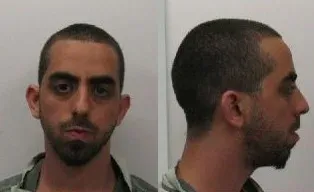
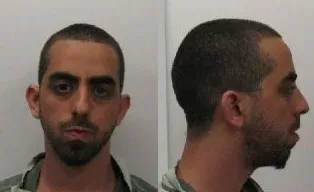
A federal jury convicted Hadi Matar, 28 , on terrorism charges on Wednesday for the stabbing of author Salman Rushdie .
The jury found Matar acted on Iran's instructions and aided Hezbollah , a Lebanon-based militant group.
Matar is already serving a 25-year sentence from a prior New York State court conviction for attempted murder.
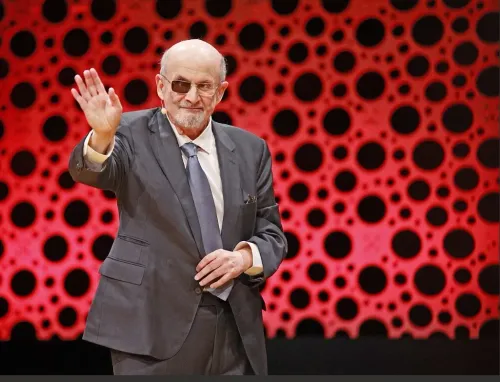
Rushdie, 79 , lost his left eye and suffered damage to his left hand and liver in the attack.
Matar faces a potential life sentence without parole at his federal sentencing in November in Buffalo .
The attack was rooted in a 1989 fatwa by Ayatollah Khomeini calling for Rushdie's death over his novel 'Satanic Verses' .
A federal jury in the United States on Wednesday convicted Hadi Matar, the man who stabbed celebrated author Salman Rushdie and destroyed his left eye, on terrorism-related charges — finding that he acted on Iran's instructions and provided material support to a terrorist organisation. The verdict, delivered in a federal court, marks a significant escalation in the legal consequences Matar faces for the 2022 attack.
What the Jury Found
The jury agreed with federal prosecutors who argued that Matar, 28, a Lebanese American, carried out the stabbing in furtherance of a fatwa issued by the late Iranian Ayatollah Ruhollah Khomeini in 1989, which called for Rushdie's death on the grounds that his novel 'Satanic Verses' was blasphemous. Prosecutors also linked Matar to the Lebanon-based, Iran-aligned militant group Hezbollah, securing a conviction on the charge of aiding a terrorist organisation.
As evidence, prosecutors presented a photograph of Matar wearing a shirt bearing Hezbollah insignia, as well as a propaganda video he had produced featuring speeches by Khomeini and a Hezbollah leader.
Defence Argument and Prior Conviction
Matar's lawyer, Nathaniel Barone, did not contest the fact that his client had attacked Rushdie, but maintained that Matar acted independently — driven by personal religious outrage over what he considered blasphemy — and not in coordination with Iran or Hezbollah. The defence argument was ultimately rejected by the jury.
Matar had already been convicted in New York State court last year on charges of attempted murder and is currently serving a 25-year prison sentence. Under the US legal system, a person may be tried separately in state and federal courts for the same incident under their respective laws — a process known as dual sovereignty.
What Rushdie Endured
Rushdie, 79, testified during the trial that he found himself in 'an enormous and expansive lake of blood' following the attack. The stabbings destroyed his left eye, damaged his left hand, and injured his liver, he said. The attack occurred while Rushdie was participating in a literary programme at the Chautauqua Institution, an arts and culture centre approximately 600 kilometres from New York City — and, in a grim irony, he was scheduled to speak on the protection of writers at the time.
Rushdie has since written a memoir about the experience titled 'Knife: Meditations After an Attempted Murder'.
Background: The Fatwa and Rushdie's Life Underground
The roots of the attack stretch back more than three decades. After Ayatollah Khomeini issued the fatwa in 1989, Rushdie — a Booker Prize winner — was forced to go underground under British government protection for years. He eventually re-emerged into public life and now resides in New York City, where he holds a professorship at a university.
What Happens Next
Matar is scheduled to be sentenced in November at the federal court in Buffalo, New York. Federal prosecutors are seeking a life sentence without parole, which would be served in addition to his existing 25-year state sentence. The case is widely seen as a landmark test of US federal terrorism statutes in the context of Iran-linked violence on American soil.
Point of View
Which remained an open incitement to violence for over three decades. Matar going to prison for life closes one chapter; the geopolitical one remains unresolved.
NationPress
13 Sept 2026
Frequently Asked Questions
What charges was Hadi Matar convicted of in federal court?
Hadi Matar was convicted on federal terrorism charges, specifically for acting on Iran's instructions and aiding a terrorist organisation — namely Hezbollah. The federal verdict is separate from his earlier New York State conviction for attempted murder, for which he is already serving 25 years.
What sentence does Hadi Matar now face?
At his federal sentencing in November at the Buffalo federal court, Matar could receive a life sentence without parole. This would be in addition to the 25-year state prison sentence he is already serving.
Why did Hadi Matar attack Salman Rushdie?
According to prosecutors, Matar attacked Rushdie to carry out a fatwa issued by the late Iranian Ayatollah Ruhollah Khomeini in 1989, which called for Rushdie's death because Islamic clerics considered his novel 'Satanic Verses' blasphemous. Matar's defence argued he acted out of personal religious outrage, not in coordination with Iran or Hezbollah.
What injuries did Salman Rushdie sustain in the attack?
Rushdie testified that the stabbings destroyed his left eye, damaged his left hand, and injured his liver. He described finding himself in 'an enormous and expansive lake of blood' after the assault.
Can Hadi Matar be tried in both state and federal courts for the same attack?
Yes. Under the US legal principle of dual sovereignty, a person can be prosecuted separately in state and federal courts for the same incident under their respective laws. Matar was convicted in New York State court last year and has now also been convicted in federal court.