IMCR mourns Maulana Syed Salman Husaini Nadwi, calls loss irreparable
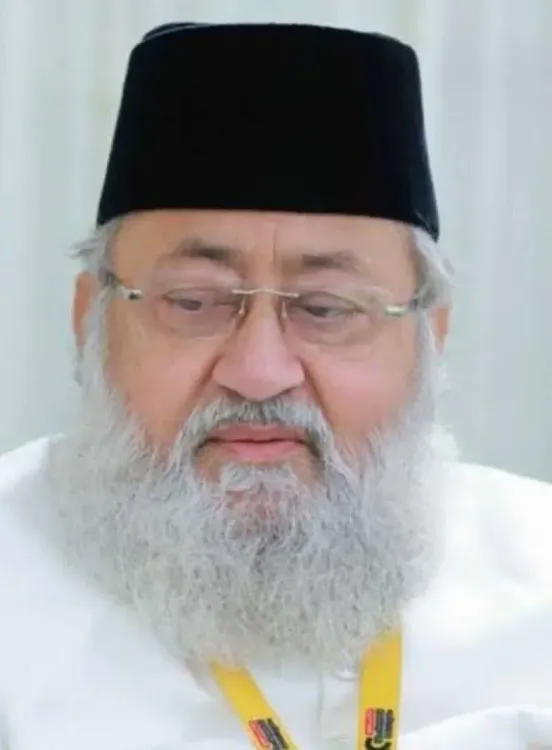
Synopsis
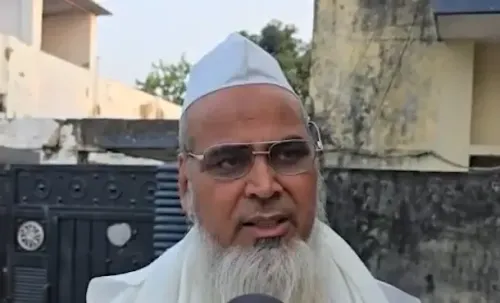
One of India's most prominent and controversial Islamic scholars, Maulana Syed Salman Husaini Nadwi, has passed away. Known equally for his vast scholarship and his bold 2018 push for an out-of-court Ayodhya settlement — a stance that cost him his seat on the AIMPLB — his death has drawn an outpouring of grief from the IMCR and tributes highlighting a legacy that defied easy categorisation.
Key Takeaways
The Indian Muslims for Civil Rights (IMCR) mourned the passing of Maulana Syed Salman Husaini Nadwi on 29 June , calling it an irreparable loss.
IMCR Chairman and former MP Mohammad Adeeb recalled a long personal association with the scholar and paid tribute to his contributions to Islamic thought and education.
Maulana Nadwi was a graduate of Darul Uloom Nadwatul Ulama and was widely regarded as an orator, scholar, and reformer.
In 2018 , he held dialogue sessions with Sri Sri Ravi Shankar on the Ayodhya dispute, proposing an out-of-court settlement — a stance that led to his exit from the All India Muslim Personal Law Board (AIMPLB) .
The AIMPLB had clarified that his views on mosque relocation were personal and did not reflect the organisation's official position.
The Indian Muslims for Civil Rights (IMCR) on Monday, 29 June expressed deep grief over the passing of eminent Islamic scholar, thinker, author, and orator Maulana Syed Salman Husaini Nadwi, describing his death as an immense and irreparable loss for both the Muslim community in India and the broader Muslim world.
IMCR's Tribute
In a formal condolence statement, the IMCR said Maulana Nadwi embodied Islamic scholarship, intellectual awakening, social reform, and the spirit of unity within the Muslim Ummah. The organisation noted that he devoted his entire life to the promotion of Islam, the advancement of Islamic education, and the intellectual and moral development of young people. His passing, it said, has left a significant scholarly and intellectual void.
What IMCR Chairman Mohammad Adeeb Said
IMCR Chairman and former Member of Parliament Mohammad Adeeb recalled a long personal association with the late scholar. 'The passing of Maulana Salman Husaini Nadwi has personally been a great shock to me. He was nearly ten years younger than I was. I used to visit Darul Uloom Nadwatul Ulama during the period when he was a student there. I had close personal ties with his family. Witnessing his extraordinary intelligence, vast knowledge, refined manner of speaking, and exceptional abilities even in those days, I was convinced that this young man would one day become a guiding light for the Muslim community — and history proved exactly that. He became an unparalleled orator, a fearless preacher, a distinguished scholar, and a profound thinker whose intellectual and scholarly contributions represented Indian Muslims across the world,' Adeeb said.
Adeeb further noted that Maulana Nadwi made invaluable contributions to the teaching and dissemination of Islamic knowledge while consistently taking clear, courageous, and reasoned positions on contemporary social and intellectual issues. He described the late scholar as a true custodian of the Indian subcontinent's rich scholarly tradition — one rooted in moderation, wisdom, and communal harmony — whose works would remain a lasting source of guidance for future generations.
His Role in the Ayodhya Dialogue
Maulana Nadwi was notably among the few Muslim scholars who publicly argued that the Ayodhya dispute should be resolved through negotiation rather than prolonged litigation. In 2018, he held several rounds of discussions with spiritual leader Sri Sri Ravi Shankar in an effort to facilitate an out-of-court settlement. During those talks, he maintained that Islamic principles permit the relocation of a mosque under exceptional circumstances if doing so promotes peace and communal harmony, and proposed that a Ram temple could be constructed at the disputed site while a mosque be built at an alternative location.
His remarks sparked a nationwide debate, drawing both appreciation and sharp criticism. Sections of the All India Muslim Personal Law Board (AIMPLB) opposed his position, clarifying that his views were personal and did not represent the organisation's official stand. The differences eventually led to his departure from the Board.
Legacy and Impact
Through his speeches, writings, and scholarly engagements, Maulana Nadwi reportedly inspired millions and strengthened public understanding of Islamic teachings. He was a strong advocate of Muslim unity, brotherhood, international Islamic cooperation, and the religious and moral education of younger generations. The IMCR prayed that his righteous deeds be accepted and that his family, students, and followers be granted patience and strength in this time of grief.
Point of View
Yet they signalled an appetite for negotiated settlement that the Supreme Court's 2019 verdict ultimately — if differently — delivered. The mainstream obituary will focus on his scholarship; the more consequential question is whether his model of courageous, reform-minded engagement within Islamic institutions finds any successors.
NationPress
28 Sept 2026
Frequently Asked Questions
Who was Maulana Syed Salman Husaini Nadwi?
Maulana Syed Salman Husaini Nadwi was a prominent Indian Islamic scholar, thinker, author, and orator associated with Darul Uloom Nadwatul Ulama. He was widely respected for his contributions to Islamic education, scholarship, and social reform, and was known for advocating Muslim unity and the moral development of younger generations.
Why did Maulana Nadwi leave the All India Muslim Personal Law Board?
Maulana Nadwi departed from the All India Muslim Personal Law Board (AIMPLB) following differences over his position on the Ayodhya dispute. He had publicly argued for an out-of-court settlement and proposed that a Ram temple be built at the disputed site while a mosque be constructed elsewhere — views the AIMPLB clarified were personal and not the organisation's official stand.
What was Maulana Nadwi's role in the Ayodhya dialogue?
In 2018, Maulana Nadwi held several rounds of discussions with spiritual leader Sri Sri Ravi Shankar to explore an out-of-court resolution to the Ayodhya dispute. He argued that Islamic principles permit mosque relocation under exceptional circumstances to promote peace, sparking nationwide debate among Muslim scholars and community leaders.
What did the IMCR say about Maulana Nadwi's passing?
The Indian Muslims for Civil Rights (IMCR) described his death as an immense and irreparable loss for Indian Muslims and the wider Muslim world. The organisation said he symbolised Islamic scholarship, intellectual awakening, and social reform, and that his passing had created a significant scholarly void.
Who is Mohammad Adeeb and what was his connection to Maulana Nadwi?
Mohammad Adeeb is the IMCR Chairman and a former Member of Parliament who had a long personal association with Maulana Nadwi. He recalled visiting Darul Uloom Nadwatul Ulama when Nadwi was a student there and said he had recognised the scholar's exceptional abilities from an early age.