AIMIM Leader Responds to Jamiat's 'Communal' Labeling
Synopsis
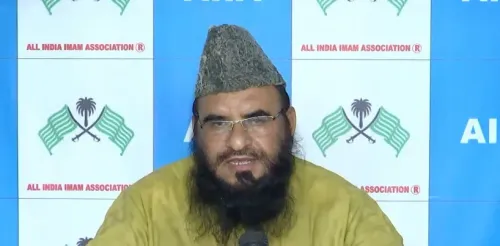
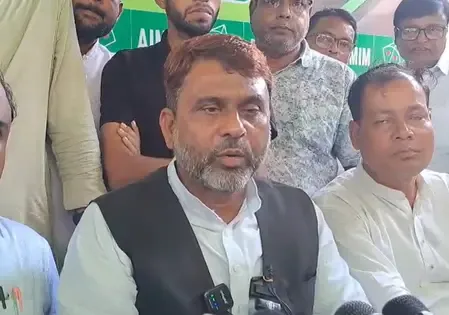
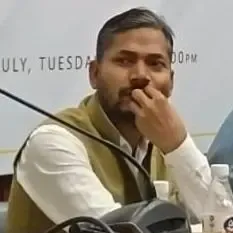
In a recent statement, AIMIM leader Shujaat Ali Quadri criticized the Jamiat Ulama-i-Hind for labeling his party as 'communal.' Quadri described the remarks as both surprising and regrettable, emphasizing the need for clarity and responsibility from the Jamiat regarding such serious allegations.
Key Takeaways
AIMIM leader Shujaat Ali Quadri challenges Jamiat's labeling of his party.
The Jamiat has a long-standing policy against communal affiliations.
Public accountability and clarity are emphasized as critical by Quadri.
Potential actions from the Jamiat may follow if Ajmal fails to respond adequately.
Commitment to upholding constitutional values and national unity is reiterated.
New Delhi, April 5 (NationPress) Shujaat Ali Quadri, a prominent leader of the All India Majlis-e-Ittehadul Muslimeen (AIMIM), expressed his strong disapproval regarding the Jamiat Ulama-i-Hind's labeling of his party as "communal." He termed this assertion as both "unexpected" and "extremely regrettable."
While Quadri recognized that AIMIM's political strategies may be subject to scrutiny, he firmly stated that the Jamiat's classification of the party as communal is simply intolerable.
“It is imperative for Jamiat Ulama-i-Hind to own up to its statements and elucidate the rationale behind such accusations to the public. Remaining silent is no longer viable; the truth needs to be unveiled,” he emphasized.
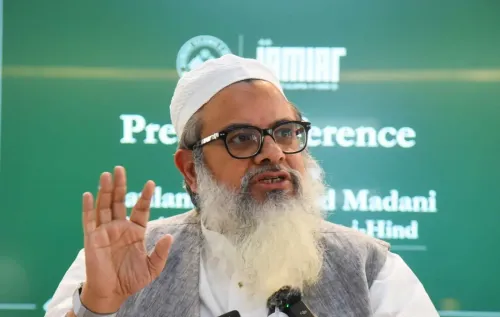
His comments followed a formal notice issued by the Jamiat Ulama-i-Hind to Maulana Badruddin Ajmal Qasmi, demanding a written clarification within 24 hours regarding his purported collaboration with and support for a communal political party during the recent electoral campaigns.
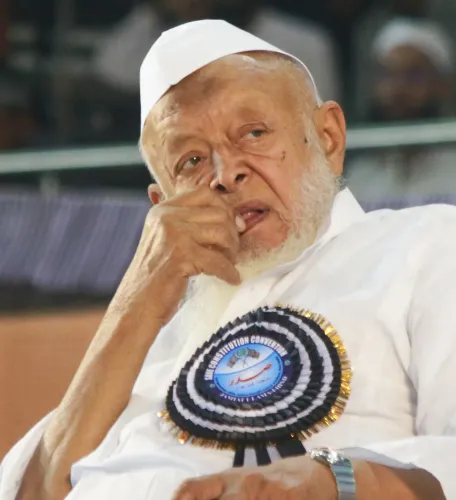
In the notice, Jamiat's General Secretary, Maulana Mohammad Hakimuddin Qasmi, highlighted that the organization had established a clear electoral policy as far back as August 1951, under the leadership of Maulana Syed Hussain Ahmad Madani, which explicitly prohibited members and office-bearers from associating with communal factions.
This policy, which has been reiterated in subsequent meetings, instructs members to align solely with political entities dedicated to national unity, constitutional integrity, democratic values, and India’s diverse social structure.
The Jamiat contends that Ajmal’s alleged collaboration and public endorsement of a communal party signifies a "clear breach" of its established principles.
The notice cautioned that if his response is deemed inadequate, suitable measures will be taken in accordance with organizational regulations.
Reaffirming its commitment, the Jamiat stated it remains dedicated to the foundational principles laid down by its predecessors, emphasizing the importance of upholding constitutional values and opposing communal politics in all its manifestations.
Point of View
Particularly regarding communal allegations. Both parties have historical significance and their public exchanges could impact their respective political standings and voter perceptions.
NationPress
9 Oct 2026
Frequently Asked Questions
What did Shujaat Ali Quadri say about Jamiat's remarks?
He described the labeling of AIMIM as 'communal' by Jamiat Ulama-i-Hind as 'surprising' and 'deeply unfortunate.'
What action did the Jamiat Ulama-i-Hind take against Badruddin Ajmal Qasmi?
They issued a notice demanding a written explanation regarding his alleged support for a communal political party.
What is the historical context of the Jamiat's electoral policy?
The Jamiat established its policy in August 1951, prohibiting members from associating with communal parties.
What could happen if Ajmal's response is unsatisfactory?
The Jamiat warned that appropriate actions would be taken in accordance with its organizational rules.
What is the Jamiat's stance on communal politics?
The Jamiat remains committed to opposing communal politics and upholding constitutional values.