Rushdie recalls 'lake of blood' at Hadi Matar's federal terrorism trial
Synopsis
Salman Rushdie faced his attacker's second trial — this time on federal terrorism charges — and told a Buffalo courtroom he lay in 'an enormous and expansive lake of blood' as Hadi Matar stabbed him repeatedly. With a 25-year state sentence already running, Matar now risks life in prison if convicted of providing material support to Hezbollah.
Key Takeaways
Salman Rushdie , 79 , testified on Thursday at the federal terrorism trial of Hadi Matar in Buffalo, New York .
Rushdie described lying in 'an enormous and expansive lake of blood' after being stabbed on stage at the Chautauqua Institution in 2022 .
The attack cost Rushdie his right eye , damaged his left hand and liver , and left him unable to drive.
Matar , 28 , is already serving a 25-year sentence from a New York State court conviction; a federal terrorism conviction could mean life in prison .
Prosecutors allege Matar sought to fulfil the 1989 Khomeini fatwa against Rushdie and provided material support to Hezbollah .
The defence argues Matar acted alone and was not operating on behalf of any organisation.
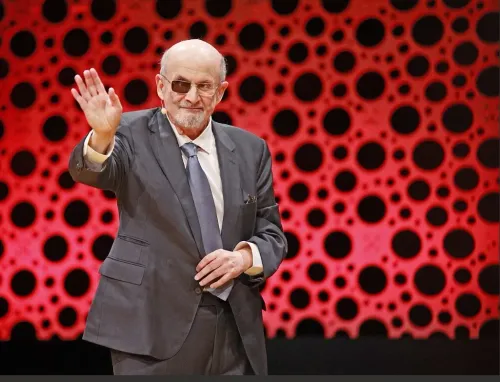
Author Salman Rushdie, 79, took the stand on Thursday at the federal terrorism trial of his attacker Hadi Matar in Buffalo, New York, delivering a harrowing first-person account of the 2022 stabbing that cost him his right eye and left him with lasting injuries. The trial marks the second legal proceeding against Matar for the same attack — this time on federal charges of transnational terrorism.
Rushdie's Testimony: 'He Was on Top of Me, Stabbing Away'
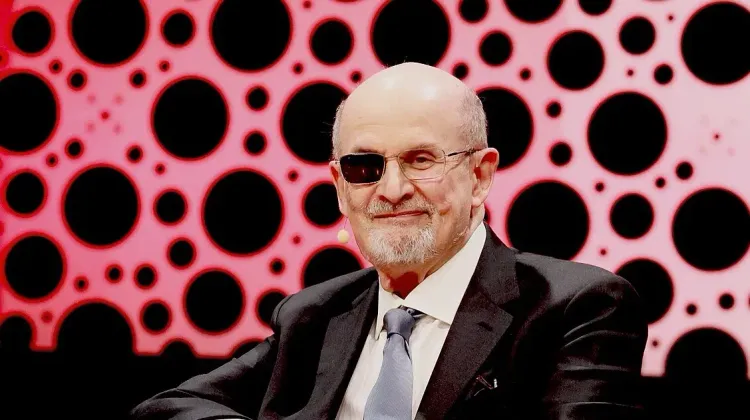
Describing the moments after he was knocked to the floor on stage at the Chautauqua Institution, Rushdie told the court: 'It was an enormous and expansive lake of blood.' He recounted being pinned down and unable to escape — 'I tried to get away, but he was on top of me, stabbing away,' he said. At the request of assistant federal prosecutor Timothy Lynch, Rushdie removed his specialised glasses so jurors could observe the injury to his missing eye.
Beyond the loss of his right eye, Rushdie testified that the attack damaged his left hand, injured his liver, and left him unable to drive. He has since written about the ordeal in his memoir Knife: Meditations After an Attempted Murder.
Who Is Hadi Matar and What Are the Charges
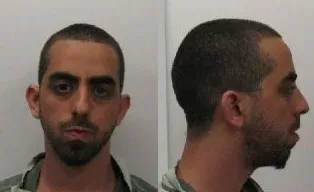
Hadi Matar, 28, a US citizen of Lebanese descent, was convicted by a New York State court of attempting to murder Rushdie in 2022 and is currently serving a 25-year sentence handed down by that court last year. He now faces separate federal charges of transnational terrorism in Buffalo. If convicted on the federal counts, he could face life in prison.
Under the US legal system, state and federal laws operate independently, allowing a person to be tried under both for the same incident without constituting double jeopardy.
The Fatwa Connection
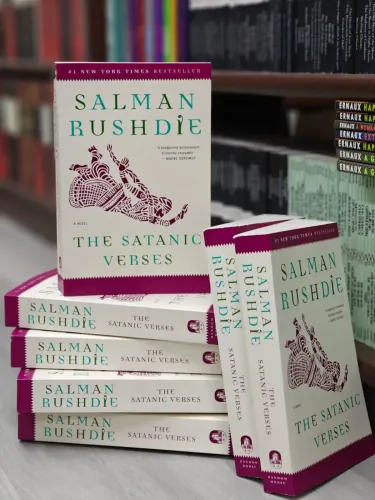
Prosecutors allege that between September 2020 and August 2022, Matar attempted to provide material support and resources to Hezbollah. According to assistant federal prosecutor Lynch, Matar carried out the attack in an effort to execute the 1989 fatwa issued by the late Ayatollah Ruhollah Khomeini, which called for Rushdie's death on the grounds that his novel The Satanic Verses was blasphemous.
Rushdie, a Booker Prize winner, spent years underground under British government protection after the fatwa was issued. A decade later, he re-emerged publicly and now lives in New York City, where he holds a professorship at a university. Notably, at the time of the attack, he was scheduled to speak at Chautauqua — located roughly 600 kilometres from the city — on the very subject of protecting writers.
The Defence's Argument
Matar's defence lawyer, Nathaniel Barone, has argued that his client acted alone as an enraged individual and not as an agent of Hezbollah or any other organisation. Barone pressed Rushdie in cross-examination, asking whether he should have anticipated an attack by Islamic extremists given the content of The Satanic Verses. Rushdie dismissed the line of questioning sharply: 'I don't believe the book is on trial. Somebody else is on trial.'
What Comes Next
The federal trial in Buffalo is ongoing. A conviction on the transnational terrorism charges would add a potential life sentence on top of the 25 years Matar is already serving. The case is being closely watched as a test of how US federal courts prosecute lone-actor attacks alleged to have foreign terrorist links.
Point of View
Decades after it was issued. That framing matters beyond this case — it tests whether US federal courts can treat ideologically motivated lone actors as terrorism proxies when direct organisational links are contested. Matar's defence, predictably, is collapsing the question into one of personal grievance, hoping to sever the Hezbollah thread. Rushdie's pointed rebuke — 'the book is not on trial' — was as much a legal argument as a literary one, and it may prove the most memorable line of the proceedings.
NationPress
22 Oct 2026
Frequently Asked Questions
What did Salman Rushdie say at Hadi Matar's federal terrorism trial?
Rushdie testified on Thursday in Buffalo, describing the 2022 stabbing attack in graphic detail — saying he lay in 'an enormous and expansive lake of blood' while Matar stabbed him repeatedly on stage at the Chautauqua Institution. He also confirmed permanent injuries to his right eye, left hand, and liver.
What are the federal charges against Hadi Matar?
Matar faces federal charges of transnational terrorism, with prosecutors alleging he attempted to provide material support and resources to Hezbollah between September 2020 and August 2022. He is already serving a 25-year state sentence for the attempted murder of Rushdie; a federal conviction could mean life in prison.
Why was Salman Rushdie attacked in 2022?
According to prosecutors, Matar carried out the attack to fulfil the 1989 fatwa issued by the late Ayatollah Ruhollah Khomeini, which called for Rushdie's death over his novel The Satanic Verses, deemed blasphemous. Rushdie had lived under British government protection for years after the fatwa before re-emerging publicly.
Can Hadi Matar be tried twice for the same attack?
Yes. Under the US legal system, state and federal laws are separate, and a person can face trial under both for the same incident. Matar was convicted in New York State court for attempted murder and is now separately tried in federal court in Buffalo on terrorism charges.
What is Hadi Matar's defence argument?
Matar's lawyer Nathaniel Barone argues that his client acted alone as an enraged individual and was not operating as an agent of Hezbollah or any other organisation. The defence has sought to frame the attack as a personal act rather than a coordinated act of transnational terrorism.