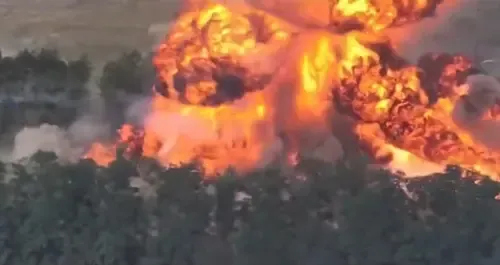
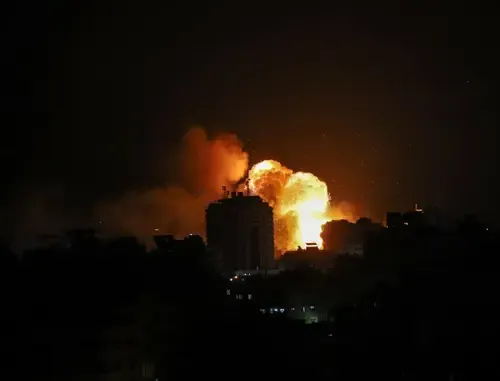
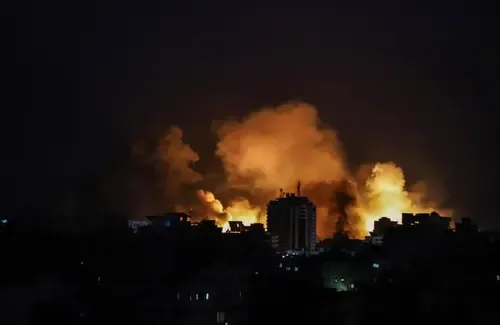
Russia strikes Kyiv defence firms, UAV sites in overnight attack
Synopsis
Russia's overnight strike on Kyiv went beyond typical infrastructure targeting — it named specific drone manufacturers, claimed a Ukrainian-American company connection, and simultaneously hit Odesa's port fuel supplies. The pattern points to a deliberate Russian campaign to dismantle Ukraine's UAV production pipeline at scale, as domestically built drones become Kyiv's most potent asymmetric tool.
Key Takeaways
Russian forces struck defence industry enterprises in Kyiv overnight on 26 July using high-precision weapons.
Targets included Smart Intelligent System , a facility reportedly producing UAV hulls, navigation devices, optics, and batteries.
A second Kyiv site allegedly produced up to 1,000 UAVs monthly , including AQ-400 'Scethe' , AQ-100 'Bayonet' , and RQ-100 'Scout' drones.
Fuel tanks at the Port of Chernomorsk in Odesa region were also struck.
Russian air defences reportedly downed 1,060 Ukrainian drones and 8 guided aerial bombs in the preceding 24 hours.
Russian forces claimed strikes on 152 locations across Ukraine over the same period.
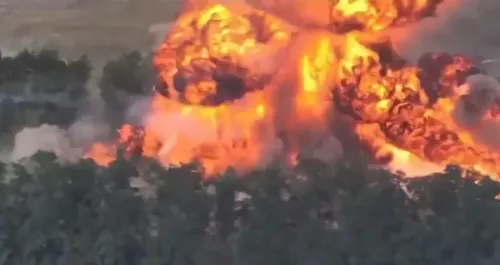
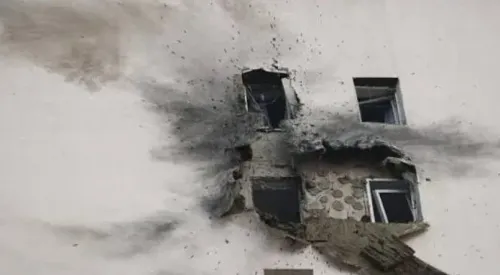
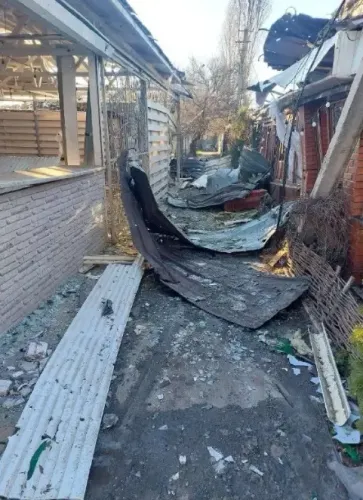
Russian forces carried out overnight strikes on defence industry enterprises in Kyiv on 26 July, targeting facilities involved in the production, assembly, and storage of unmanned aerial vehicles, the Russian Defence Ministry said. The ministry described the operation as a coordinated group strike using high-precision ground- and air-based weapons.
What Was Targeted
According to the ministry's statement on its official Telegram channel, one of the primary targets was an industrial enterprise identified as Smart Intelligent System, which reportedly produced UAVs of various modifications along with components including hulls, navigation devices, optics, and batteries for both long- and medium-range drones.
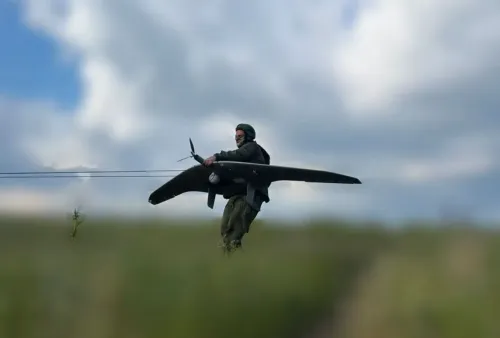
A second target was described as an assembly and storage site in the south-western part of Kyiv, where, according to the ministry, up to 1,000 UAVs of various types were produced monthly. The drones named in the statement include the AQ-400 'Scethe', AQ-100 'Bayonet', and RQ-100 'Scout' reconnaissance drones. The ministry claimed the facility operated with the involvement of specialists from a Ukrainian-American company, though this assertion could not be independently verified.
Odesa Port Also Hit
In addition to the Kyiv strikes, the ministry said fuel and lubricant tanks at the Port of Chernomorsk in the Odesa region were struck. The port infrastructure was described as being used for the delivery and storage of materiel and fuel supplies for the Armed Forces of Ukraine (AFU).
Broader Operational Picture
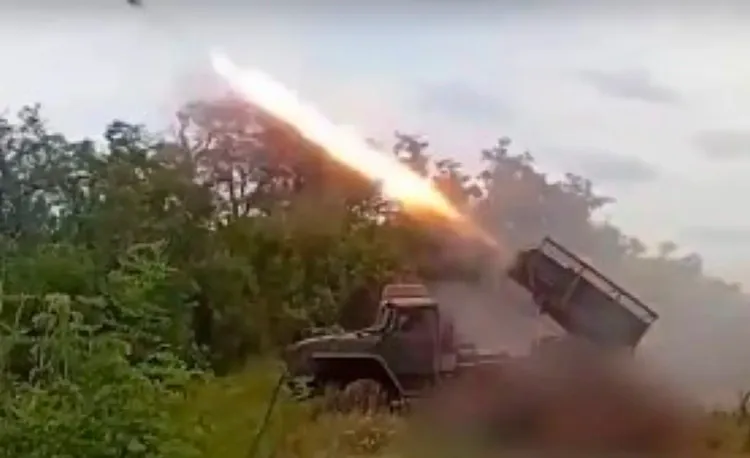
Separately, the ministry reported that Russian air defence systems shot down eight guided aerial bombs and 1,060 Ukrainian fixed-wing drones over the preceding day along the frontline. Russian forces also reportedly struck 152 locations over the same period, including logistics centres, production facilities, storage sites for long-range drones, and temporary deployment sites of Ukrainian military formations and foreign mercenaries, according to reports.
Context and Significance
The strikes mark a continued Russian focus on degrading Ukraine's drone production capacity, which has become a central element of Kyiv's battlefield strategy. Ukraine has increasingly relied on domestically produced UAVs for both frontline operations and deep-strike missions inside Russian territory. Targeting assembly and storage infrastructure, rather than deployed units, reflects a deliberate effort to disrupt the supply chain upstream. This comes amid sustained Ukrainian drone campaigns that have reached targets deep inside Russia in recent weeks, signalling an intensifying aerial dimension to the conflict.
Ukrainian authorities had not issued an official public response to the Russian ministry's claims at the time of reporting. The situation on the ground is evolving.
Point of View
And independent verification of the claimed strike outcomes remains impossible. The specific naming of a 'Ukrainian-American company' is a recurring Russian information-warfare motif designed to internationalise the conflict framing. What is verifiable is the strategic logic: Ukraine's drone programme has become its most effective asymmetric lever, and Russia has every reason to prioritise its disruption. Whether these strikes materially degraded that capacity, or primarily served a signalling function, is the question mainstream coverage rarely pauses to ask.
NationPress
26 Oct 2026
Frequently Asked Questions
What did Russia strike in Kyiv on 26 July?
Russia struck defence industry enterprises in Kyiv involved in drone production, assembly, and storage, according to the Russian Defence Ministry. Named targets included a facility called Smart Intelligent System and a separate UAV assembly and storage site in the south-western part of the city.
What types of drones were allegedly produced at the targeted Kyiv sites?
The Russian Defence Ministry claimed the targeted site produced up to 1,000 UAVs monthly, including the AQ-400 'Scethe', AQ-100 'Bayonet', and RQ-100 'Scout' reconnaissance drones. Components such as hulls, navigation devices, optics, and batteries were also allegedly manufactured there.
Was anywhere outside Kyiv targeted in the same attack?
Yes. The Russian Defence Ministry also reported strikes on fuel and lubricant tanks at the Port of Chernomorsk in Ukraine's Odesa region, which it described as a supply and storage point for the Armed Forces of Ukraine.
How significant is Ukraine's drone programme to the conflict?
Ukraine's domestically produced UAVs have become a central element of its battlefield and deep-strike strategy, with drones reaching targets inside Russian territory in recent weeks. Russia's focus on production and storage facilities suggests it views disrupting this supply chain as a strategic priority.
Are the Russian Defence Ministry's claims independently verified?
No. The strike details, casualty figures, and target descriptions come exclusively from the Russian Defence Ministry, a party to the conflict. Ukrainian authorities had not issued a public response at the time of reporting, and independent verification of the claimed outcomes is not possible.