S. Korea Implements Strict Five-Day Vehicle Restrictions for Public Sector Amid Oil Supply Concerns

Synopsis
In response to potential oil supply disruptions, South Korea's government is enforcing a five-day vehicle restriction system for the public sector. This initiative aims to conserve energy while addressing escalating tensions in the Middle East.
Key Takeaways
Five-day vehicle restriction system is enforced for the public sector.
Restrictions are based on license plate numbers .
Electric and hydrogen vehicles are exempt .
Penalties for non-compliance will be imposed on public institutions.
Private sector participation is encouraged amidst oil supply uncertainties.
Seoul, March 24 (NationPress) In light of potential oil supply interruptions due to ongoing tensions in the Middle East, the government has announced a rigorous enforcement of a mandatory five-day vehicle restriction system for the public sector, as stated by the Ministry of Climate, Energy and Environment on Tuesday.
Beginning Wednesday, the government will intensify oversight of public sector compliance with this driving limitation, which categorizes vehicles into five groups based on their license plate numbers. Each group will be barred from operating on a specified weekday.
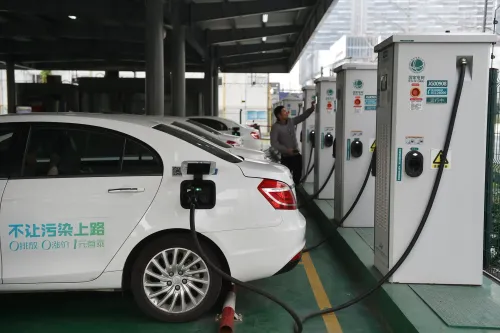
Although this system has existed previously, it has not been strictly enforced. It's important to note that electric and hydrogen-powered vehicles are excluded from these restrictions, according to Yonhap news agency.
The ministry will provide comprehensive guidelines for public sector institutions regarding the implementation of the system and will initiate penalties for any institutions that fail to adhere to the regulations.
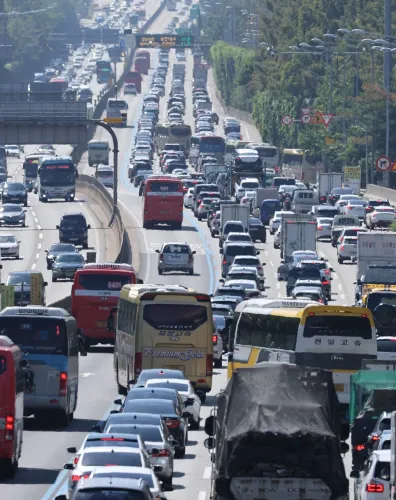
The government is also encouraging the private sector to participate voluntarily in this initiative amidst rising uncertainties about crude oil availability. If a Level 3 national resource crisis alert is issued regarding oil supply, the government may consider making this system compulsory for private entities as well.
Last week, the government elevated the alert level concerning potential disruptions in crude oil supply to Level 2 within South Korea's four-tier national resource security crisis framework.
Furthermore, the ministry will request the top 50 companies based on oil consumption to develop energy-saving strategies and will offer incentives to those who successfully meet energy consumption reduction goals. Public institutions and large corporations will also be urged to temporarily adjust their working hours to balance traffic demand and optimize energy consumption.
Additionally, the government plans to relax limitations on coal-fired power generation during days with low fine dust levels and expedite the restart of five nuclear reactors currently undergoing maintenance. This is part of a broader effort to decrease reliance on liquefied natural gas (LNG), which is similarly impacted by the Middle Eastern crisis.
Point of View
I find the government's swift action to enforce vehicle restrictions a necessary measure in light of geopolitical tensions affecting oil supply. This proactive approach demonstrates a commitment to energy conservation and national resource security, reflecting a responsible governance model prioritizing public welfare.
NationPress
22 Sept 2026
Frequently Asked Questions
What is the five-day vehicle restriction system?
It is a government-enforced measure that restricts vehicle usage in the public sector based on license plate numbers, limiting driving to designated weekdays.
Why has the government implemented this system?
The system was implemented to address potential disruptions in oil supply amid rising tensions in the Middle East and to promote energy conservation.
Are electric and hydrogen vehicles affected by these restrictions?
No, electric and hydrogen vehicles are exempt from the five-day vehicle restriction system.
What are the penalties for non-compliance?
Public institutions that fail to comply with the vehicle restriction rules will face penalties as outlined by the ministry.
Will the private sector be required to follow these restrictions?
Currently, the private sector is encouraged to participate voluntarily, but mandatory compliance may be considered if a Level 3 national resource crisis alert is issued.