Seoul Considers Broadening Vehicle Rotation to Private Sector Amid Oil Price Surge
Synopsis
In response to rising global oil prices, Seoul's Finance Minister Koo Yun-cheol has proposed extending the mandatory vehicle rotation system to the private sector. This move aims to enhance energy conservation efforts amidst growing geopolitical tensions in the Middle East.
Key Takeaways
Seoul may expand the vehicle rotation system to include the private sector.
Global oil prices around US$120-130 could trigger a Level 3 national resource crisis alert.
The government is preparing a supplementary budget of 25 trillion won to mitigate rising oil costs.
Private sector cooperation is sought to enhance energy conservation efforts.
The vehicle rotation system restricts vehicle use based on license plate numbers.
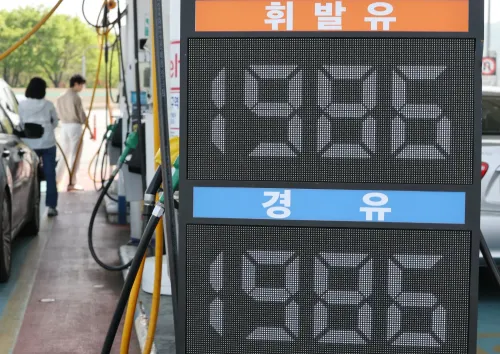
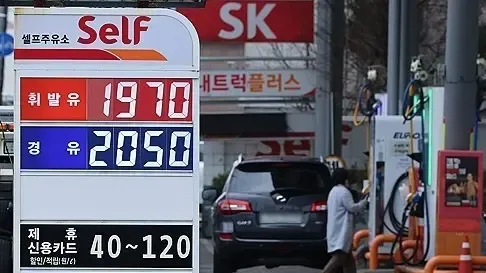
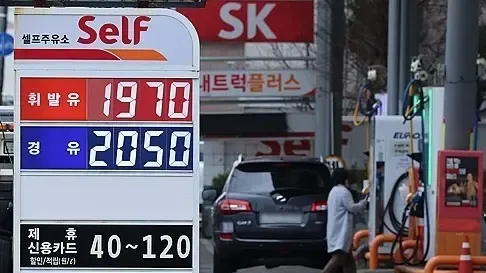
Seoul, March 29 (NationPress) - On Sunday, Finance Minister Koo Yun-cheol indicated that the government might broaden the existing mandatory five-day vehicle rotation system to include the private sector if global oil prices soar to US$120-130 per barrel. This measure is part of nationwide efforts to conserve energy as tensions escalate in the Middle East.
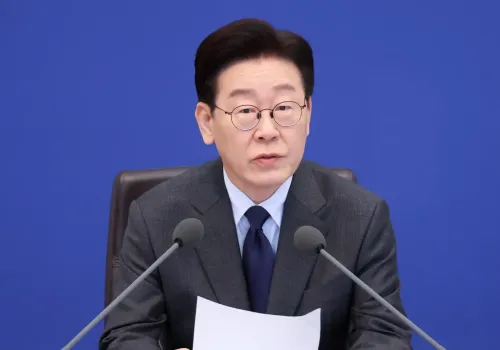
"Should the situation deteriorate, it's possible that we will elevate the national resource crisis alert to Level 3," Koo stated during a KBS television interview. "In such a scenario, we would implement the vehicle rotation system for the private sector and seek public cooperation."
The Finance Minister emphasized that the government is vigilant about developments and noted that a rise to $120-$130 could trigger a Level 3 alert, which is currently set at $100-$110, according to reports from Yonhap news agency.
His comments follow the government's recent decision to increase the alert level to Level 2 under its four-tier national resource security crisis warning system, citing concerns about potential interruptions to crude oil supplies.
Simultaneously, a mandatory five-day vehicle rotation system has been enforced for the public sector, while urging the private sector to join the initiative voluntarily.
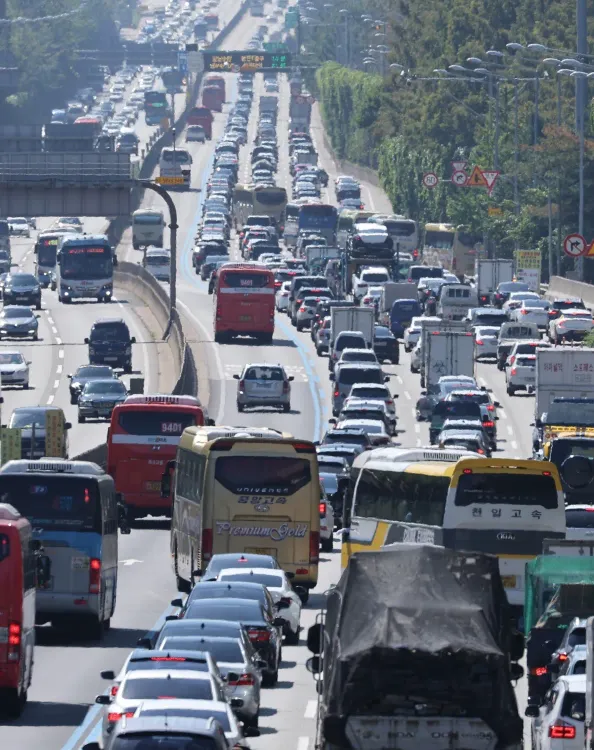
This system restricts vehicles from operating one day out of every five business days based on the last digit of their license plate.
Additionally, the government plans to introduce a supplementary budget of 25 trillion won (US$16.6 billion) to alleviate the financial burden of rising oil prices and support small to medium-sized enterprises, as well as vulnerable households impacted by the ongoing conflict.
The ruling Democratic Party and the government are set to present the legislation to the National Assembly later this week.
In the meantime, Industry Minister Kim Jung-kwan has called for collaboration from the private sector to stabilize industrial supply chains and manage energy demands in light of the continuing Middle Eastern unrest, as reported by his office.
During a meeting with prominent business associations, Kim urged companies to enhance efforts in securing alternative supply sources and to avoid actions that could disrupt the market, such as collusion and stockpiling, as per the Ministry of Trade, Industry and Resources.
The meeting included senior representatives from six business associations, notably the Korea Chamber of Commerce and Industry and the Federation of Middle Market Enterprises of Korea.
Kim also encouraged private companies to voluntarily engage in the five-day vehicle rotation system and other energy-saving initiatives.
Point of View
The South Korean government is taking proactive measures to conserve energy and ensure national resource security. The proposed expansion of the vehicle rotation system reflects a commitment to addressing public concerns while fostering cooperation between the public and private sectors.
NationPress
29 Sept 2026
Frequently Asked Questions
What is the vehicle rotation system?
The vehicle rotation system restricts vehicles from operating one day out of every five business days based on the last digit of their license plate.
Why might the vehicle rotation system expand to the private sector?
The expansion is being considered as a response to a potential rise in global oil prices to US$120-130 per barrel.
What is the current alert level for the national resource crisis?
The current alert level is set at Level 2, which may be raised to Level 3 if oil prices continue to escalate.
How is the government planning to support those affected by rising oil prices?
The government is proposing a supplementary budget of 25 trillion won (US$16.6 billion) to assist small and medium-sized enterprises and vulnerable households.
Who called for private sector cooperation?
Industry Minister Kim Jung-kwan has called for collaboration from the private sector to stabilize supply chains and manage energy demands.