South Korea Implements Strict Vehicle Rotation System to Mitigate Oil Supply Risks
Synopsis
In response to potential oil supply disruptions amid rising Middle East tensions, South Korea enforces a five-day vehicle rotation for the public sector. This measure, aimed at energy conservation, will affect 1.5 million vehicles and is expected to save thousands of barrels of crude oil daily.
Key Takeaways
Implementation of a five-day vehicle rotation system for public sector.
Expected to save 3,000 barrels of crude oil daily .
Approximately 1.5 million vehicles will be affected.
Electric and hydrogen vehicles exempt from restrictions .
Government encourages private sector participation .
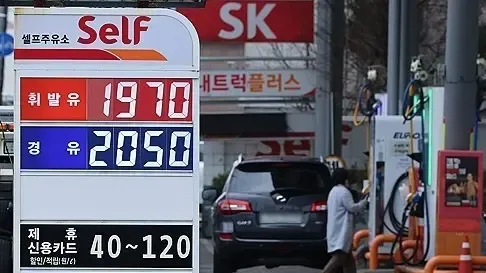
Seoul, March 24 (NationPress) The South Korean government has announced the strict implementation of a mandatory five-day vehicle rotation scheme for the public sector in response to potential disruptions in oil supply due to ongoing tensions in the Middle East. This initiative is part of broader energy conservation efforts, as stated by the Ministry of Climate, Energy and Environment on Tuesday.
Commencing Wednesday, the government will enhance oversight of compliance with the license plate-based rationing system. Under this system, vehicles are categorized into five groups according to the last digit of their license plate numbers, with each group restricted from driving on specific weekdays. This information was reported by Yonhap News Agency.
While the vehicle rotation system has been in effect, it has not been enforced rigorously. Notably, electric and hydrogen-powered vehicles will not be subject to these restrictions.
The ministry plans to distribute comprehensive guidelines for the public sector's adherence to this system and will seek to impose penalties on public institutions that do not comply.
Approximately 1.5 million vehicles will fall under these stricter regulations, which are projected to aid in saving around 3,000 barrels of crude oil daily, as per the ministry's estimates. Currently, South Korea consumes about 2.8 million barrels of crude oil each day, with nearly half allocated for transportation.
The government will encourage voluntary participation from the private sector in this initiative amid uncertainties regarding crude oil supplies. If a Level 3 national resource crisis alert is declared regarding oil supply, the system may also become mandatory for private entities.
The decision to implement this system follows the government's recent elevation of the alert level regarding potential crude oil supply disruptions to Level 2 within South Korea's four-tier national resource security crisis warning framework.
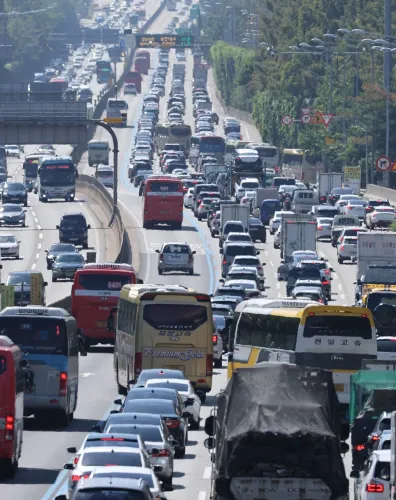
The ministry will also urge the top 50 oil-consuming companies to develop energy-saving strategies and will provide incentives for those who successfully achieve energy consumption reduction targets. Additionally, public institutions and large corporations will be called upon to temporarily adjust working hours to help balance traffic demand, thereby enhancing energy efficiency.
South Korea last mandated a vehicle rotation system for the private sector in 1991 during the oil supply crisis triggered by the Gulf War.
Furthermore, the government will relax restrictions on coal-fired power generation during days with low fine dust levels and will expedite the resumption of operations for five nuclear reactors currently undergoing maintenance as part of its efforts to decrease liquefied natural gas (LNG) usage, which has also been impacted by the crisis in the Middle East.
Point of View
Reflecting a commitment to national resource security. By enforcing stricter vehicle regulations, the government aims to mitigate the impact of volatile global oil markets on domestic consumption.
NationPress
24 Sept 2026
Frequently Asked Questions
What is the purpose of the vehicle rotation system?
The vehicle rotation system aims to conserve energy and mitigate potential disruptions in oil supply due to geopolitical tensions, particularly in the Middle East.
How will the vehicle rotation system be enforced?
The South Korean government will enhance monitoring and compliance measures, with penalties for public institutions that fail to adhere to the guidelines.
Which vehicles are exempt from the restrictions?
Electric and hydrogen vehicles are not subject to the mandatory vehicle rotation restrictions.
How many vehicles will be affected by this system?
Approximately 1.5 million vehicles in the public sector will be affected by the stricter regulations.
What are the potential savings from this initiative?
The implementation of this vehicle rotation system is expected to save around 3,000 barrels of crude oil daily.