South Korean Won Declines as Trump Issues New Threats to Iran
Synopsis
The South Korean won dipped against the dollar due to President Trump's renewed threats against Iran. This financial instability is influenced by rising oil prices and potential geopolitical conflicts. Discover how these developments are affecting the market.
Key Takeaways
Seoul's currency weakened due to Trump's threats against Iran.
Dollar demand is rising as oil prices increase.
The KOSPI index rose despite geopolitical instability.
Market volatility remains high as tensions escalate.
Potential ceasefire discussions could influence future currency movements.
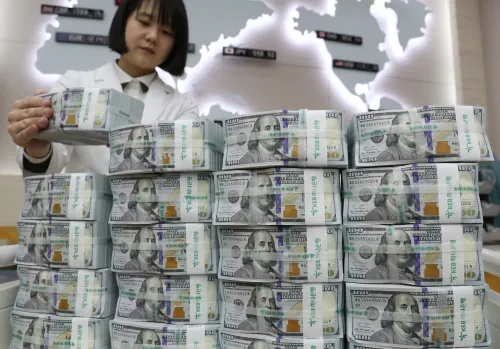
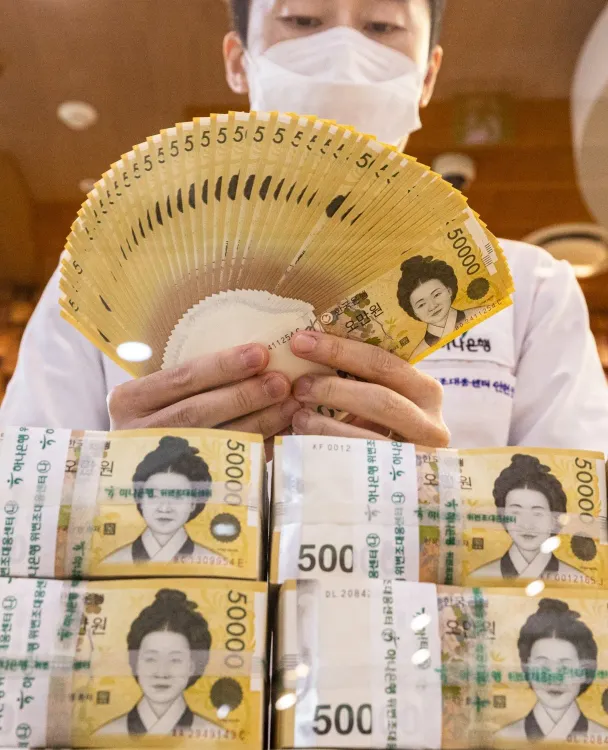
Seoul, April 6 (NationPress) The South Korean won experienced a decline against the US dollar on Monday following renewed threats from President Donald Trump to target Iranian energy assets and infrastructure if the Strait of Hormuz remains closed, while also establishing a new deadline for potential action.
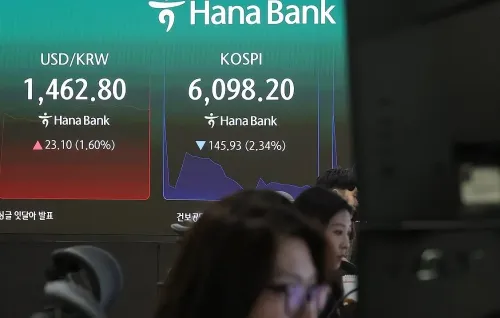
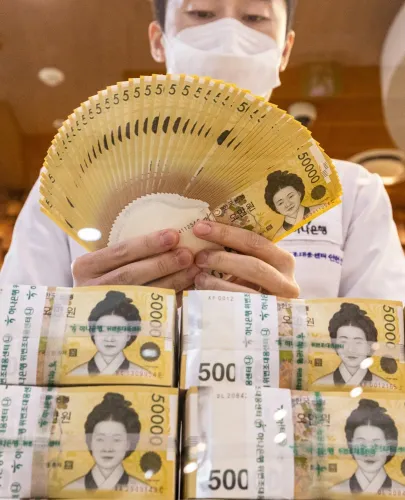
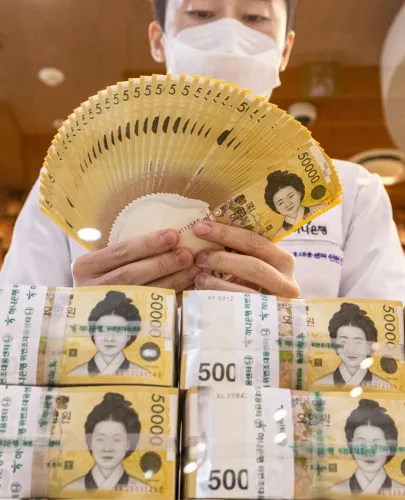
The won concluded the session at 1,506.3 won per dollar, which is a decrease of 1.1 won from the previous trading day, as reported by the Yonhap news agency.
Initially, the local currency started at 1,510.3 won on Monday, but some losses were mitigated due to reports suggesting that the United States and Iran were engaging in discussions for a possible 45-day ceasefire as part of a two-phase agreement that might eventually lead to a permanent resolution of the conflict.
Recently, the currency has been notably volatile, remaining below the crucial psychological threshold of 1,500 won, as the ongoing conflict in the Middle East, which began in late February, has driven global oil prices higher, raising fears of inflation and a potential economic slowdown.
On Sunday (US time), Trump warned that Iran would face severe consequences if it does not reopen the critical waterway, extending his ultimatum for a deal to Tuesday at 8 p.m.
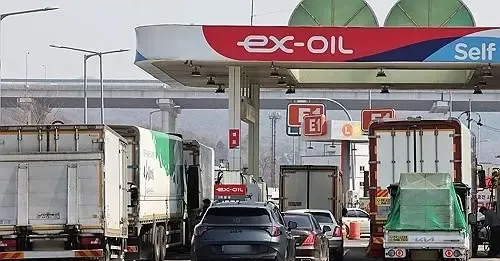
The rising tensions have caused crude oil prices to surge amid supply concerns, with both Brent and West Texas Intermediate (WTI) surpassing $110 per barrel.
Increased oil prices have placed additional pressure on the won as South Korea's heavy reliance on energy imports has led to a higher demand for dollars.
Moon Jeong-hee, an economist at KB Kookmin Bank, stated, "Even if a deal is reached between the United States and Iran, elevated oil prices are likely to continue in the first half of the year, keeping the local currency around the 1,500 won mark."
Despite the geopolitical instability in the Middle East, the Korea Composite Stock Price Index (KOSPI) rose by 1.36 percent to 5,450.33 on Monday, driven by robust institutional buying.
Point of View
The ongoing tensions between the US and Iran are creating significant ripples in financial markets, particularly affecting currencies like the South Korean won. As the situation evolves, it is crucial to monitor how these developments will influence economic stability and investor confidence.
NationPress
15 Oct 2026
Frequently Asked Questions
Why did the South Korean won weaken against the dollar?
The South Korean won weakened due to renewed threats from President Trump regarding Iran, which raised concerns over geopolitical tensions and their impact on oil prices.
What impact do rising oil prices have on the South Korean economy?
Rising oil prices increase the demand for dollars for energy imports, putting further pressure on the South Korean won and contributing to inflation concerns.
What are the potential outcomes of the US-Iran discussions?
The discussions could lead to a temporary ceasefire, which might stabilize the situation, but high oil prices are expected to persist regardless of the outcome.
How has the KOSPI reacted to the current geopolitical situation?
Despite the geopolitical tensions, the KOSPI has shown resilience, rising by 1.36 percent due to strong institutional buying.
What is the significance of the 1,500 won mark?
The 1,500 won mark is psychologically significant as it indicates a crucial threshold for traders and investors, influencing market sentiment.