Korean Won Plummets to New 17-Year Low Amid Oil and Geopolitical Concerns
Synopsis
The South Korean won has plunged to a 17-year low against the US dollar, driven by rising oil prices and geopolitical tensions in the Middle East. This decline raises concerns about economic stability and energy imports.
Key Takeaways
South Korean won hits a 17-year low against the US dollar.
Escalating Middle East tensions raise oil supply concerns.
Heavy foreign selling of local stocks contributes to currency decline.
Global oil prices surge, impacting energy import costs.
Bank of Korea may intervene if currency trends worsen.
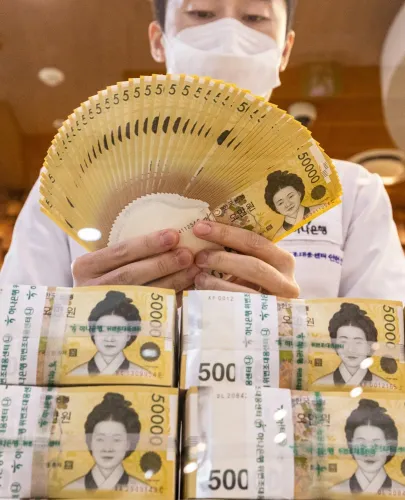
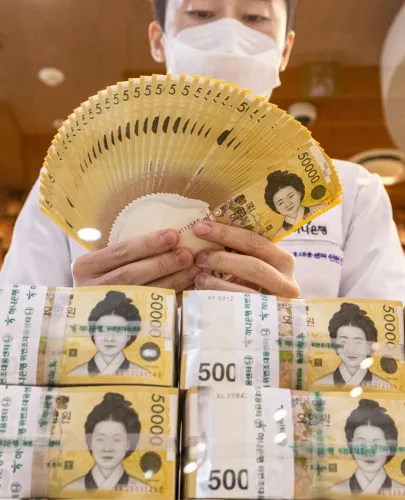
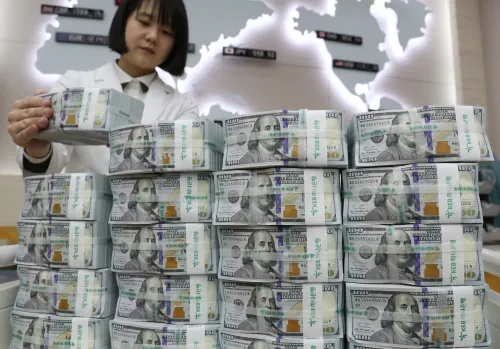
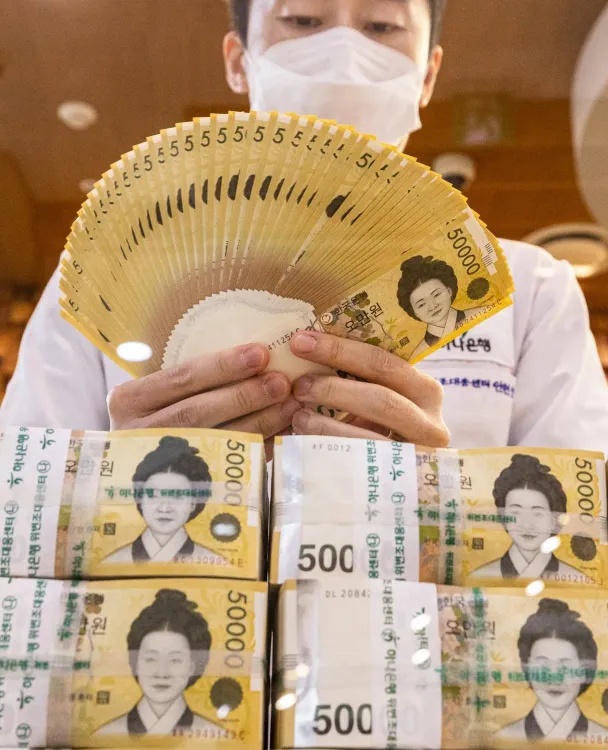
Seoul, March 31 (NationPress) The South Korean won experienced a steep decline, reaching a fresh 17-year low against the US dollar on Tuesday due to escalating tensions in the Middle East, which heightened concerns over potential disruptions to global oil supplies and wider economic repercussions.
The currency was priced at 1,530.1 won per dollar, dropping 14.4 won from the previous day, marking its fifth consecutive session of losses, according to Yonhap news agency.
This value is the lowest recorded since March 9, 2009, when the won reached 1,549 amidst the global financial crisis.
“We are vigilantly observing market trends, as foreign investors have been aggressively offloading local stocks,” stated Yoon Kyung-soo, director general of the Bank of Korea's international department, during a press conference, highlighting the rapid pace of the won's depreciation.
“Should market sentiment become excessively one-dimensional and the won diverge significantly from other currencies, we will intervene,” he added.
Recently, the won has fluctuated around the critical 1,500 mark, as the ongoing conflict, which erupted in late February following U.S.-Israeli strikes on Iran, shows no signs of resolution.
On Monday (U.S. time), former President Donald Trump issued a severe warning to “completely obliterate” Kharg Island, a vital oil hub, along with Iran’s energy infrastructure if a peace agreement with Washington is not promptly established.
Iran has rejected the U.S. peace proposals as “unrealistic, illogical, and excessive,” while a parliamentary security committee has sanctioned a draft bill to implement a toll system for the Strait of Hormuz, as reported by foreign media.
The intensifying conflict has driven up global oil prices, with U.S. West Texas Intermediate (WTI) crude futures for May delivery climbing 3.25 percent to US$102.88 per barrel on Monday (U.S. time), exceeding the $100 threshold for the first time since July 2022.
Rising oil prices have exerted pressure on the won by increasing demand for dollars necessary for crude imports, as South Korea is heavily reliant on energy imports.
Significant foreign selling of local shares has also contributed to the downward trend of the currency.
The benchmark Korea Composite Stock Price Index (KOSPI) dropped 4.26 percent to 5,052.46 on Tuesday, as offshore investors divested a net 3.84 trillion won ($2.51 billion) worth of shares.
Point of View
The steep decline of the South Korean won reflects not only the immediate impact of geopolitical tensions but also the underlying vulnerabilities in the economy that could have lasting effects on both domestic investors and international relations.
NationPress
10 Oct 2026
Frequently Asked Questions
What caused the South Korean won to drop?
The decline is primarily due to escalating tensions in the Middle East, which have raised fears of disruptions to global oil supplies, coupled with foreign investors heavily selling local stocks.
How low has the won fallen?
As of March 31, the won has fallen to 1,530.1 won per dollar, marking its lowest level since March 9, 2009.
What are the implications of this decline?
The falling won could lead to increased costs for energy imports and further economic instability, affecting both local and foreign investments.
Is there any intervention from the Bank of Korea?
Yes, the Bank of Korea is monitoring the situation closely and has indicated that it may take action if the won deviates excessively from other currencies.
What impact did oil prices have on the won?
Higher oil prices increase the demand for dollars needed for crude imports, putting additional pressure on the won, which is critical for South Korea's energy needs.