Meghalaya CM Conrad Sangma champions incremental reforms at national e-governance meet
Synopsis
At a national e-governance conference in Shillong, Meghalaya CM Conrad Sangma made a case that governance transformation is not about grand gestures but small, consistent improvements — with technology as a tool, not an end. His CM Connect model and Cabinet Retreat format are drawing national attention as replicable citizen-first frameworks.
Key Takeaways
Meghalaya CM Conrad K.
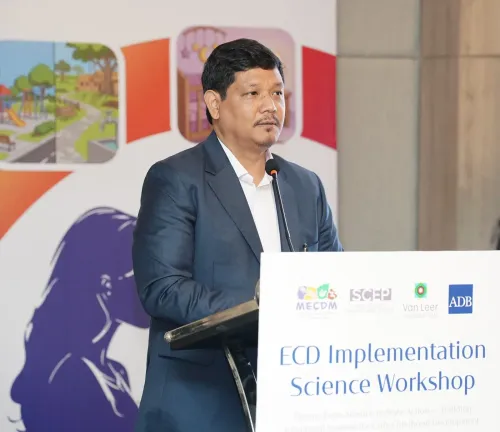
Sangma addressed the National Conference on NEXTGEN Administrative and E-Governance Reforms in Shillong on 13 July .
Sangma argued that meaningful governance reform comes through incremental improvements , not dramatic overhauls.
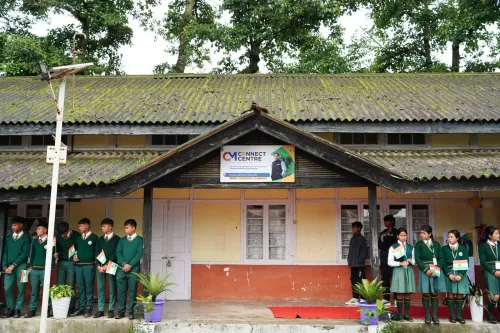
CM Connect , Meghalaya's flagship initiative, combines technology with direct government-citizen interaction to resolve grievances.
The Cabinet Retreat model enables departments to jointly present plans and challenges before the Council of Ministers, promoting coordination.
The two-day conference is organised by the Department of Administrative Reforms and Public Grievances in collaboration with the Meghalaya government.
Frontline officials' feedback was highlighted as critical for identifying service delivery gaps.
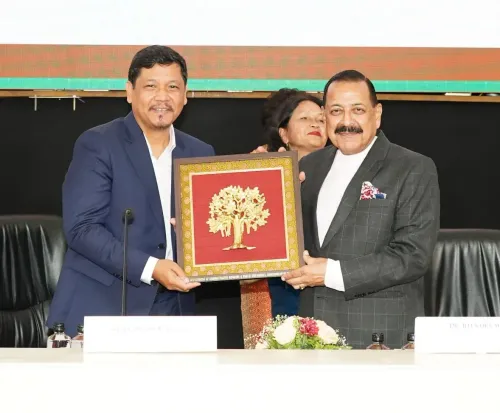
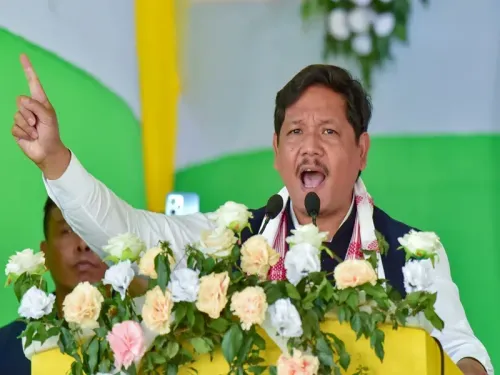
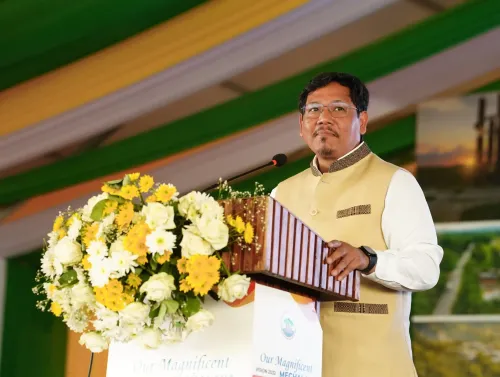
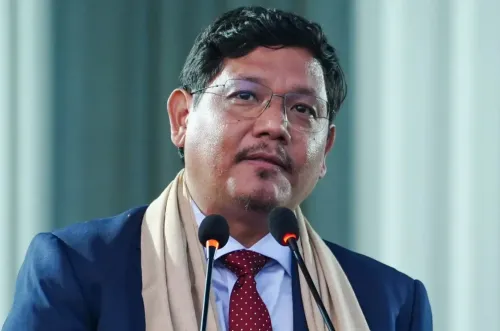
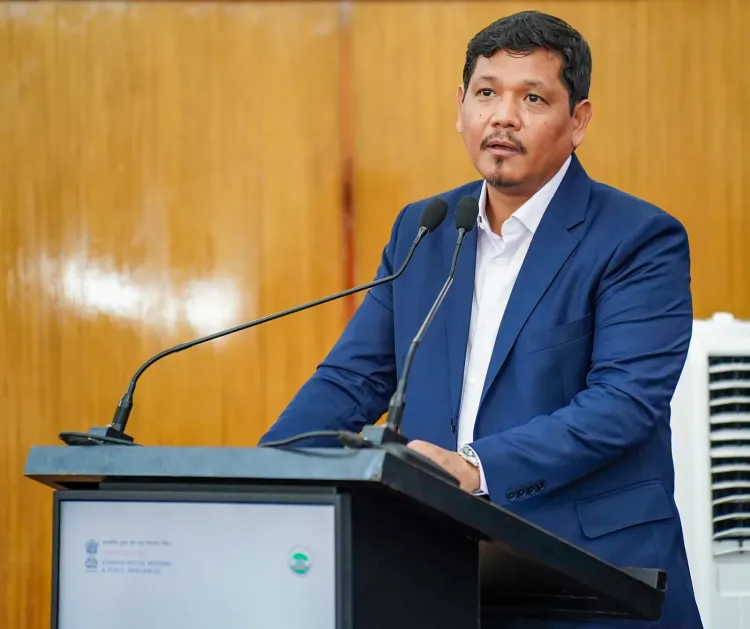
Meghalaya Chief Minister Conrad K. Sangma on Monday, 13 July called for continuous, citizen-first administrative reforms, arguing that meaningful governance transformation comes through small but sustained improvements rather than sweeping overhauls. Sangma made these remarks at the inaugural session of the two-day National Conference on NEXTGEN Administrative and E-Governance Reforms held in Shillong.
Key Developments at the Conference
The conference, organised by the Department of Administrative Reforms and Public Grievances in collaboration with the Meghalaya government, is focused on next-generation administrative reforms, digital governance, and the sharing of best practices among states. Delegates from across the country are participating in the two-day event.
Sangma stressed that governments must overcome institutional resistance to change and actively encourage innovation across departments. He acknowledged that officials often hesitate to adopt new ideas out of fear of failure, but maintained that incremental progress — not dramatic shifts — is how durable transformation is achieved.
Technology as a Governance Enabler
The Chief Minister said technology must function as an enabler of better service delivery while keeping citizens firmly at the centre of policymaking. He cited Meghalaya's CM Connect initiative as a model that blends technology with direct government-citizen interaction to resolve complaints and grievances more effectively.
'The ultimate goal should be to serve the public and make a difference in their lives,' Sangma said, urging officials to stay focused on citizen welfare while implementing reforms. He added that platforms like CM Connect strengthen accountability and improve governmental responsiveness.
Frontline Feedback and Cross-Department Collaboration
Sangma emphasised the value of feedback from frontline officials and government employees who interact with the public daily, saying their on-ground insights are critical for identifying service gaps. He also highlighted Meghalaya's Cabinet Retreat — an exercise where departments jointly present their plans, priorities, and challenges before the Council of Ministers — as a mechanism that promotes inter-departmental collaboration and more coherent policymaking.
Notably, the Chief Minister underlined that administrative reform demands not just new technology but a positive mindset among administrators genuinely committed to public welfare.
What the Conference Aims to Achieve
Sangma urged participants to use the forum to exchange experiences, draw lessons from both successes and failures, and motivate each other to strengthen governance systems nationwide. The two-day conference is expected to produce a set of actionable recommendations on digital governance and best-practice adoption across state administrations.
As India's states increasingly turn to digital tools to bridge the last-mile service delivery gap, the Shillong conference positions Meghalaya as an early mover in institutionalising citizen feedback loops within governance reform frameworks.
Point of View
Relatively cohesive state like Meghalaya may face very different institutional friction in larger, more complex ones. That the Department of Administrative Reforms chose Shillong as the host signals some recognition of this, but the conference's output will matter more than its optics.
NationPress
12 Oct 2026
Frequently Asked Questions
What is the National Conference on NEXTGEN Administrative and E-Governance Reforms?
It is a two-day national conference held in Shillong, organised by the Department of Administrative Reforms and Public Grievances in collaboration with the Meghalaya government. The event focuses on next-generation administrative reforms, digital governance, and sharing of best practices among Indian states.
What is Meghalaya's CM Connect initiative?
CM Connect is Meghalaya's flagship governance programme that combines technology with direct interaction between the government and citizens to address complaints and grievances more effectively. Chief Minister Conrad Sangma cited it as a model for strengthening accountability and responsiveness in public service delivery.
What did Conrad Sangma say about administrative reform?
Sangma said that meaningful transformation in governance is achieved through incremental improvements rather than dramatic changes. He stressed that technology should be an enabler, not a replacement for citizen-centric policymaking, and that officials must overcome institutional resistance to innovation.
What is Meghalaya's Cabinet Retreat model?
The Cabinet Retreat is an exercise where government departments jointly present their plans, priorities, and challenges before the Council of Ministers. Sangma described it as a tool that promotes cross-departmental collaboration and more effective coordination in policymaking and implementation.
Who organised the NEXTGEN E-Governance conference in Shillong?
The conference was organised by the Department of Administrative Reforms and Public Grievances in collaboration with the Meghalaya government. It brought together participants from across India to exchange experiences on digital governance and administrative best practices.