Dr. Jitendra Singh arrives Shillong for NextGen e-Gov Reforms meet
Synopsis
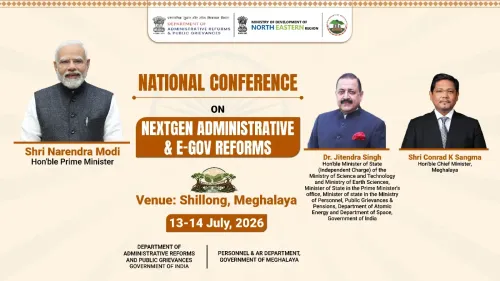
Union Minister Dr. Jitendra Singh arrived in Shillong on 13 July 2026 for the National Conference on NextGen Administrative & e-Gov Reforms at the State Convention Centre, joining Meghalaya Chief Minister Conrad K. Sangma and senior DARPG officials in a Centre-state push to modernise public administration and e-governance across the Northeast.
Key Takeaways
Jitendra Singh arrived at the State Convention Centre, Shillong on 13 July 2026 for the National Conference on NextGen Administrative & e-Gov Reforms.
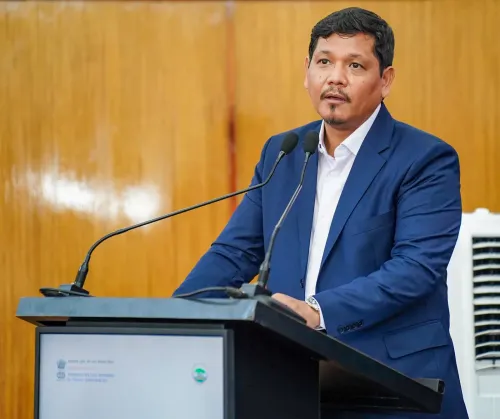
Meghalaya Chief Minister Conrad K.
Sangma is co-hosting the conference, reflecting active Centre-state collaboration on governance reform.
Senior officials present include Chief Secretary Shakil Ahmed , DARPG/DoNER Secretary Smt.
Nivedita Shukla Verma , and Additional Secretary DARPG Shri Puneet Yadav .
The conference is convened by DARPG , the department responsible for e-governance and administrative modernisation under Dr.
Singh's ministerial charge.
Shillong's selection as the venue underscores the Centre's emphasis on extending e-governance reforms to Northeast India through coordinated DARPG and DoNER outreach.
Outcomes are expected to include state-level action plans and potential new DARPG guidelines on next-generation administrative reforms.
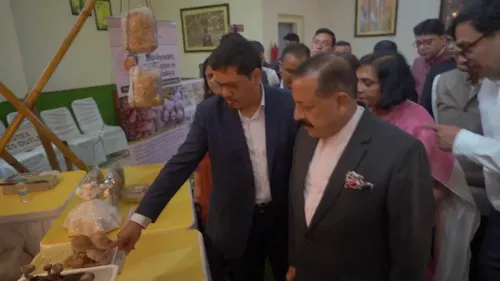
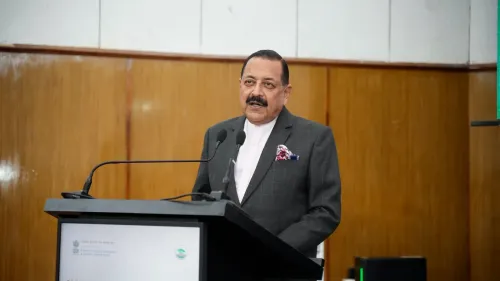
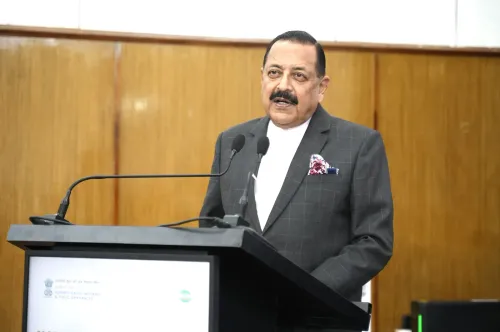
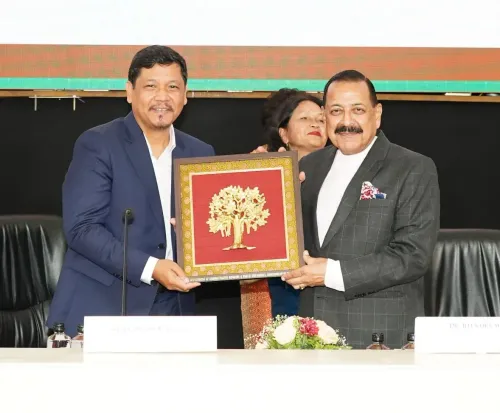
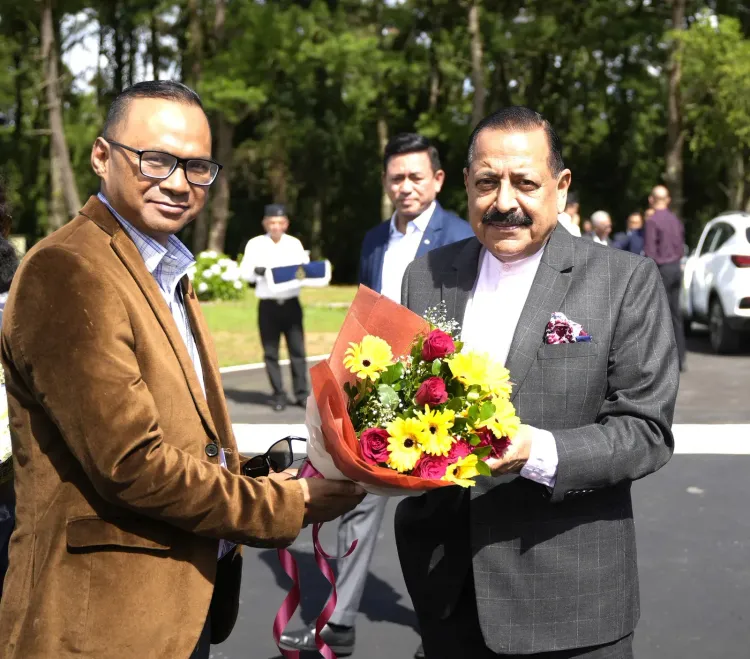
Union Minister of State (Independent Charge) for Science & Technology and Earth Sciences Dr. Jitendra Singh arrived at the State Convention Centre, Shillong, on Monday, 13 July 2026, to attend the National Conference on NextGen Administrative & e-Gov Reforms, hosted in the Meghalaya capital alongside Chief Minister Conrad K. Sangma.
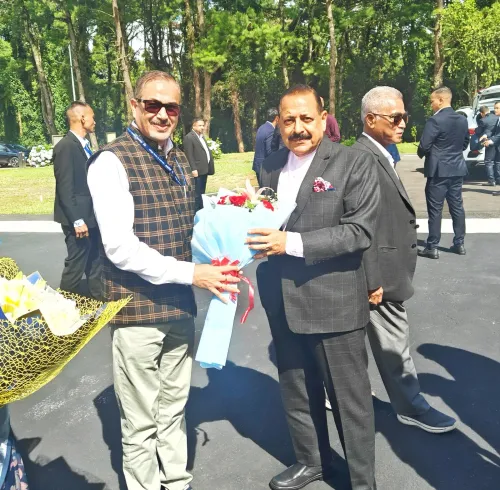
Dr. Singh was received by Chief Secretary of Meghalaya Shakil Ahmed, Secretary of DARPG, DoPPW and DoNER Smt. Nivedita Shukla Verma, Additional Secretary DARPG Shri Puneet Yadav, and senior officers from both state and central governments. The minister acknowledged the warm welcome extended by the dignitaries gathered at the venue.
Context
The conference, organised under the aegis of the Department of Administrative Reforms and Public Grievances (DARPG), brings together central and state-level administrators to deliberate on next-generation governance frameworks and digital public service delivery. Shillong's selection as the venue reflects the Centre's continued focus on integrating Northeast India into mainstream e-governance reform initiatives.
Dr. Singh holds ministerial charge over the Ministry of Personnel, Public Grievances and Pensions — the parent ministry of DARPG — in addition to his science and technology portfolios, making him the nodal Union minister for administrative modernisation efforts of this kind.
Policy Backdrop
India's e-governance journey stretches back to the National e-Governance Plan of 2006, which laid the groundwork for electronic delivery of government services. DARPG subsequently rolled out the e-Office Mission Mode Project from 2011 to digitise file management across central ministries, with states progressively adopting the platform.
The Digital India programme, launched in 2015, accelerated this trajectory by aligning digital infrastructure, service delivery, and citizen-facing portals under a single policy umbrella. Conferences of this nature serve to cascade central platform standards down to state administrations and identify implementation gaps, particularly in regions such as the Northeast where connectivity and capacity challenges persist.
The Ministry of Development of North Eastern Region (DoNER), whose secretary is also present at the conference, plays a coordinating role in channelling central reform mandates into the eight Northeastern states, of which Meghalaya is one.
Stakeholders and Impact
The presence of Chief Minister Conrad K. Sangma — who has led Meghalaya since 2018 — signals the state government's ownership of the reform agenda being discussed. His participation alongside a Union minister elevates the conference beyond a routine bureaucratic exercise and underscores a Centre-state partnership in governance modernisation.
Civil servants from both state and central cadres stand to benefit from any new DARPG guidelines or frameworks that emerge, particularly around digitisation of public grievance redressal and administrative processes in the Northeast. Citizens in Meghalaya and neighbouring states could see improved service delivery timelines if state-level action plans are adopted following the conference.
What's Next
Conferences convened by DARPG typically conclude with state-level action plans and recommendations that feed into subsequent policy circulars. Observers will watch for any new NextGen administrative reform guidelines issued by DARPG in the weeks following the Shillong meeting, as well as Meghalaya's own follow-through on digitisation commitments. The conference also sets a template for similar outreach events in other Northeastern states as the Centre deepens its e-governance push beyond metro and Tier-1 cities.
Point of View
Joined-up approach to governance outreach. Chief Minister Conrad Sangma's active participation also suggests Meghalaya is positioning itself as a model state for e-governance adoption in the region. If concrete action plans follow, this could mark a meaningful inflection in how central reform frameworks are localised in smaller, connectivity-challenged states.
NationPress
12 Oct 2026
Frequently Asked Questions
What is the National Conference on NextGen Administrative & e-Gov Reforms?
It is a conference organised by DARPG to align central and state governments on next-generation administrative modernisation and digital public service delivery frameworks, held in Shillong on 13 July 2026.
Why is Dr. Jitendra Singh attending a governance conference in Shillong?
Dr. Jitendra Singh holds ministerial charge over the Ministry of Personnel, Public Grievances and Pensions, which oversees DARPG — the department organising the conference — making him the nodal Union minister for this event.
Who is DARPG and what does it do?
DARPG, the Department of Administrative Reforms and Public Grievances, is a central government body under the Ministry of Personnel responsible for e-governance policy, administrative reform guidelines, and public grievance redressal mechanisms.
What is the role of DoNER in the Shillong conference?
The Ministry of Development of North Eastern Region (DoNER) coordinates central development and reform schemes across the eight Northeastern states; its secretary's presence at the conference reflects DoNER's role in channelling DARPG's reform agenda into the region.
What outcomes are expected from the Shillong e-governance conference?
Conferences of this type typically produce state-level action plans and recommendations that feed into new DARPG guidelines; observers will watch for Meghalaya's specific digitisation commitments and any new NextGen reform circulars issued in subsequent weeks.