Supreme Court upholds HC order on 'En Iniya Pon Nilave' copyright, dismisses Ilaiyaraaja's plea
Synopsis
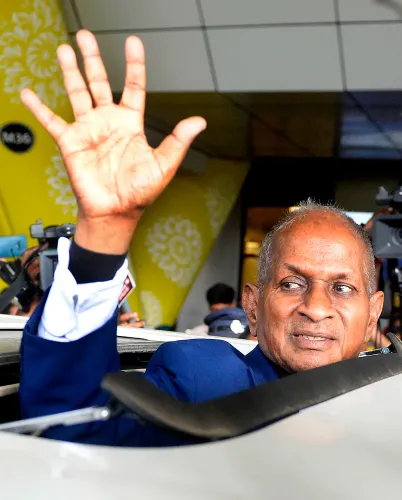
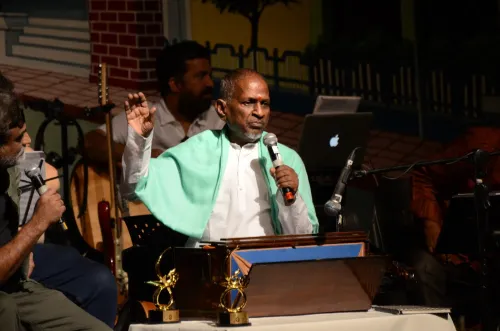
The Supreme Court has shut the door on Ilaiyaraaja's challenge to a copyright injunction protecting 'En Iniya Pon Nilave' — a 1980 classic he composed but whose sound recording rights were transferred to Saregama decades ago. The ruling crystallises a critical legal split: composers own their musical work, but not necessarily the recording — and one cannot licence what one does not own.
Key Takeaways
The Supreme Court on 1 October 2026 dismissed Ilaiyaraaja's special leave petition against the Delhi High Court order protecting Saregama India Ltd's copyright in 'En Iniya Pon Nilave' .
The High Court had ruled that Saregama holds copyright in the sound recording , while Ilaiyaraaja retains copyright only in the underlying musical work .
Vels Film International Ltd (VFIL) recreated the song for its film 'Aghathiyaa' under a 17 March 2023 licence from Ilaiyaraaja — which the High Court held was invalid as he could not assign rights he did not own.
Saregama's ownership traces to a 1980 agreement between 'Moodu Pani's' producer and Saregama's predecessor, transferring sound recording rights against royalty.
The Supreme Court clarified that the High Court's findings are prima facie only and will not bind the final determination of the underlying dispute.
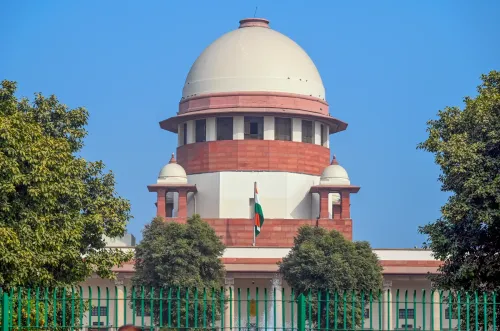
The Supreme Court on Thursday, 1 October 2026, declined to interfere with a Delhi High Court order restraining the use of the song 'En Iniya Pon Nilave' from the 1980 Tamil film 'Moodu Pani' without a valid licence from Saregama India Ltd. The ruling effectively upholds the injunction against Vels Film International Ltd (VFIL), which had recreated the song for its film 'Aghathiyaa' based on a licence granted by music composer Ilaiyaraaja.
What the Supreme Court Ruled
A bench of Justice J.B. Pardiwala and Justice K. Vinod Chandran dismissed the special leave petition (SLP) filed by Ilaiyaraaja, challenging the Delhi High Court's interim order. The bench held that no error — 'not to speak of any error of law' — could be said to have been committed by the High Court in granting the injunction sought by Saregama.
On a specific request made on behalf of the composer, the bench also clarified that the High Court's findings were prima facie in nature and would not operate as a precedent on the merits of the underlying dispute. 'It is needless to clarify that the observations in the impugned judgment are prima facie, for the purpose of deciding the issue in question,' the bench stated.
The Copyright Split at the Heart of the Dispute
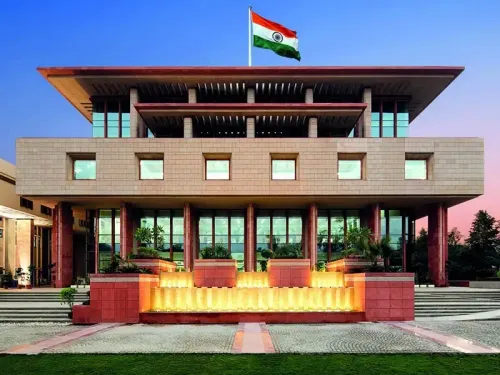
The Delhi High Court's 21 May judgment had drawn a clear line between two distinct copyright interests in the same song. It held that Ilaiyaraaja retains copyright in the underlying musical work he composed, but the copyright in the sound recording of 'En Iniya Pon Nilave' vests with Saregama India Ltd.
A division bench of Justice C. Hari Shankar and Justice Om Prakash Shukla had observed that Ilaiyaraaja's rights were confined to the musical component of the song and did not extend to its lyrics or the original sound recording. Consequently, without a licence or permission from Saregama, VFIL could not legally exploit those sound recordings. 'By recreating/adapting the said sound recording, VFIL has infringed the copyright of SIL,' the High Court had said.
Why Ilaiyaraaja Could Not License the Song to VFIL
On 17 March 2023, Ilaiyaraaja had entered into an agreement with VFIL, granting the producer rights to adapt and recreate the original song and its underlying works. However, the Delhi High Court held that because the composer did not own the copyright in the original sound recording or the lyrics, he could not have validly assigned those rights to VFIL.
The origin of Saregama's claim traces back to a 1980 agreement between the producer of 'Moodu Pani' and Saregama's predecessor, under which copyright in the film's sound recordings was transferred to the company in exchange for royalty. The High Court held that this transfer made Saregama the lawful owner of the sound recording of 'En Iniya Pon Nilave' — a position now upheld by India's apex court.
Broader Implications for Music Copyright in India
This case highlights a recurring tension in Indian music copyright law between composers, who hold rights in the underlying musical work, and music labels, which typically acquire rights in sound recordings through production-era contracts. Notably, this is not Ilaiyaraaja's first copyright dispute — the legendary composer has been involved in several similar cases asserting ownership over works from his extensive catalogue.
The Supreme Court's refusal to intervene signals that courts will closely scrutinise the chain of title in such agreements, rather than deferring to a composer's moral claim over their work. For the Indian film industry, the ruling reinforces that producers and composers seeking to revive or adapt older songs must secure separate licences from both the music rights holder and the composer.
What Happens Next
The Supreme Court's dismissal applies to the interim injunction stage only. The underlying copyright dispute between Ilaiyaraaja, Saregama, and VFIL is expected to proceed on merits before the Delhi High Court. The apex court's clarification that the High Court's observations are prima facie ensures neither party can cite this order as a final determination of ownership rights.
Point of View
But studios and labels locked in the recordings through blanket assignments that courts are now consistently enforcing. Ilaiyaraaja's moral claim over his compositions is culturally unquestioned, but courts draw a hard legal distinction between the musical work and its recorded embodiment. The real issue for the industry is that thousands of vintage agreements, signed before composers had legal literacy or bargaining power, continue to transfer value away from creators. Without legislative intervention — a specific composer's moral right to revenue from sound recordings — the courts can only apply the law as written.
NationPress
1 Oct 2026
Frequently Asked Questions
What is the 'En Iniya Pon Nilave' copyright case about?
The case concerns who holds the copyright over the song 'En Iniya Pon Nilave' from the 1980 Tamil film 'Moodu Pani'. Saregama India Ltd claims ownership of the sound recording based on a 1980 contract with the film's original producer, while music composer Ilaiyaraaja asserts rights over the underlying musical work he composed. The dispute arose when Vels Film International recreated the song for its film 'Aghathiyaa' using a licence from Ilaiyaraaja, which Saregama argued was an infringement of its rights.
What did the Supreme Court decide on 1 October 2026?
The Supreme Court dismissed Ilaiyaraaja's special leave petition, refusing to interfere with the Delhi High Court's interim order restraining the use of the song without a licence from Saregama. The bench of Justice J.B. Pardiwala and Justice K. Vinod Chandran found no error of law in the High Court's decision to grant the injunction.
Does Ilaiyaraaja have any copyright over 'En Iniya Pon Nilave'?
Yes, but only in part. The Delhi High Court held that Ilaiyaraaja retains copyright in the underlying musical work he composed. However, copyright in the sound recording — the actual recorded version of the song — vests with Saregama India Ltd, meaning Ilaiyaraaja cannot licence the sound recording to third parties.
Why was Ilaiyaraaja's 2023 licence to Vels Film International invalid?
The Delhi High Court found that when Ilaiyaraaja entered into a March 2023 agreement granting Vels Film International rights to adapt and recreate the original song, he did not own the copyright in the sound recording or the lyrics. Since he could not assign rights he did not hold, the licence was legally insufficient to permit VFIL to exploit Saregama's sound recording.
Is this case finally decided, or will it continue?
The Supreme Court's dismissal applies only to the interim injunction stage. The underlying copyright dispute is expected to continue on merits before the Delhi High Court. The apex court specifically clarified that the High Court's observations are prima facie and will not operate as a precedent when the case is decided on its full merits.