SC quashes 2015 summons against Manmohan Singh in coal block case
Synopsis
A decade after a trial court defied two CBI closure reports to summon a sitting former Prime Minister, the Supreme Court has stepped in — posthumously — to set the record straight. The ruling does more than clear Manmohan Singh's name; it draws a firm line on how far lower courts can go in second-guessing an investigating agency's decision to close a case.
Key Takeaways
The Supreme Court on 29 July quashed the 11 March 2015 Special CBI Court order summoning former PM Dr Manmohan Singh in the coal block allocation case.
The bench led by CJI Surya Kant held there were no cogent reasons to reject the CBI's two closure reports that had exonerated Singh.
The case related to allocation of a coal block to Hindalco , which the CBI found was a lawful administrative decision.
Dr Singh passed away in December 2024 ; the court ruled on merits because the trial court's order contained adverse findings against him.
The Supreme Court had originally stayed the summons on 1 April 2015 , citing important questions of law including the validity of Section 13(1)(d)(iii) of the Prevention of Corruption Act, 1988 .
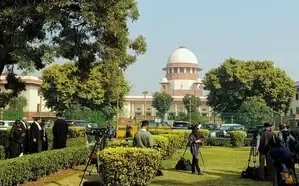
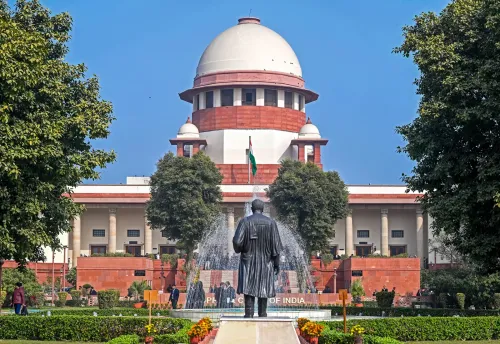
The Supreme Court of India on Wednesday, 29 July formally cleared the name of former Prime Minister Dr Manmohan Singh in the coal block allocation case, quashing a 2015 Special CBI Court order that had summoned him to stand trial. A bench led by Chief Justice of India Surya Kant, along with Justices Joymalya Bagchi and V. Mohana, ruled that there were no cogent reasons to have rejected the Central Bureau of Investigation's (CBI) closure reports, both of which had given the late former Prime Minister a clean chit.
What the Supreme Court Ruled
The bench allowed Dr Singh's appeal and set aside the 11 March 2015 order of the Special Judge at Patiala House Courts, which had rejected the CBI's closure reports and taken cognisance against him under the Prevention of Corruption Act. In its order, the court stated: 'Having regard to the parameters consistently laid down by this Court in the matter of acceptance or rejection of an investigation report filed by an investigating agency, we are satisfied that there were no cogent reasons to set aside the closure reports filed by the CBI and take cognisance.'
The bench further ordered: 'Consequently, we allow the appeal and set aside the impugned judgment dated March 11, 2015 and the consequential order summoning the appellant to face trial.'
Background: The Coal Block Allocation Case
The case centred on the allocation of coal blocks to Hindalco, a decision made during Dr Singh's tenure as Prime Minister. The CBI had filed two separate closure reports exonerating him, concluding that his decision to allocate the coal block against the recommendation of the Screening Committee was a purely administrative exercise. Despite this, the Special Judge at Patiala House Courts had rejected those reports and issued summons in 2015.
The Supreme Court had intervened as early as 1 April 2015, staying the summons after observing that the petitions raised important questions of law — including the constitutional validity of Section 13(1)(d)(iii) of the Prevention of Corruption Act, 1988. The matter had remained pending for over a decade.
Arguments That Shaped the Verdict
Senior advocates Kapil Sibal and Abhishek Manu Singhvi, appearing for the late former Prime Minister's side, drew the court's attention to a procedural question: whether the appeal could simply be dismissed as infructuous following Dr Singh's death in December 2024. They argued that the Special Judge's order contained adverse findings against him, and that those findings needed to be examined on their legal merits regardless of his passing.
Sibal had earlier contended that the coal block allocation to Hindalco was a purely administrative decision and that the trial court had overstepped by sitting in judgment over the executive's assessment of public interest — particularly when the CBI itself had filed two closure reports.
Significance of the Ruling
This verdict brings the criminal proceedings against Dr Manmohan Singh — who served as Prime Minister from 2004 to 2014 — to a definitive close, more than a decade after the summons were first issued. Notably, it is rare for the Supreme Court to adjudicate an appeal on merits after the death of the appellant, underscoring the bench's recognition that adverse judicial findings carry reputational weight even posthumously. The ruling reaffirms that a trial court cannot reject an investigating agency's closure report without cogent, documented reasons — a principle with implications for how lower courts handle CBI and police final reports more broadly.
Point of View
This closes one of its most politically charged chapters without a conviction.
NationPress
28 Oct 2026
Frequently Asked Questions
What did the Supreme Court rule in the Manmohan Singh coal block case?
The Supreme Court quashed the 2015 Patiala House Court order that had summoned Dr Manmohan Singh to face trial under the Prevention of Corruption Act. The bench held that the trial court had no cogent reasons to reject the CBI's two closure reports, both of which had exonerated the former Prime Minister.
What was the coal block case against Manmohan Singh about?
The case concerned the allocation of a coal block to Hindalco during Dr Singh's tenure as Prime Minister. The CBI investigated the matter and filed two closure reports concluding the allocation was a legitimate administrative decision, but the Special Judge rejected those reports and issued summons in 2015.
Why did the Supreme Court rule on the case after Manmohan Singh's death?
Dr Singh passed away in December 2024. Senior advocates Kapil Sibal and Abhishek Manu Singhvi argued that the trial court's order contained adverse findings against him that needed to be examined on their legal merits, even posthumously. The Supreme Court agreed and adjudicated the appeal accordingly.
When had the Supreme Court first intervened in this case?
The Supreme Court first stayed the summons on 1 April 2015, shortly after the trial court issued them. The court observed that the petitions raised important legal questions, including the constitutional validity of Section 13(1)(d)(iii) of the Prevention of Corruption Act, 1988.
What is the broader legal significance of this ruling?
The ruling reinforces that a trial court cannot reject an investigating agency's closure report without cogent, documented reasons. It also establishes that adverse judicial findings against a deceased person can still be challenged and set aside on merits, carrying implications for posthumous legal proceedings in India.