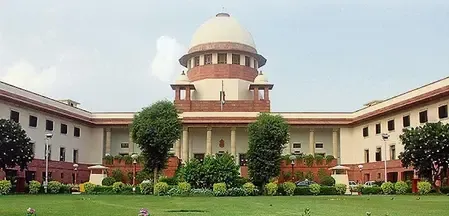
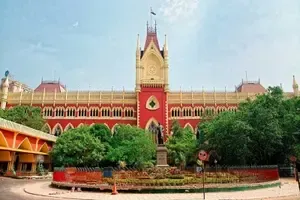
Supreme Court Criticizes West Bengal for Delays in Kolkata Metro Orange Line Project
Synopsis
In a stern rebuke, the Supreme Court has taken the West Bengal government to task for the delays in the Kolkata Metro's Orange Line construction, emphasizing the importance of prioritizing public infrastructure over festival arrangements.
Key Takeaways
The Supreme Court has expressed strong criticism of the West Bengal government regarding metro project delays.
It emphasized the importance of prioritizing development over political considerations.
The court rejected the government's excuses related to festival planning.
Accountability in public infrastructure projects is crucial for democratic governance.
The Kolkata Metro's Orange Line project faces significant delays due to lack of support from the state government.
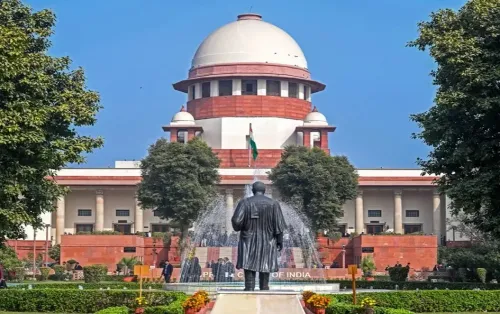
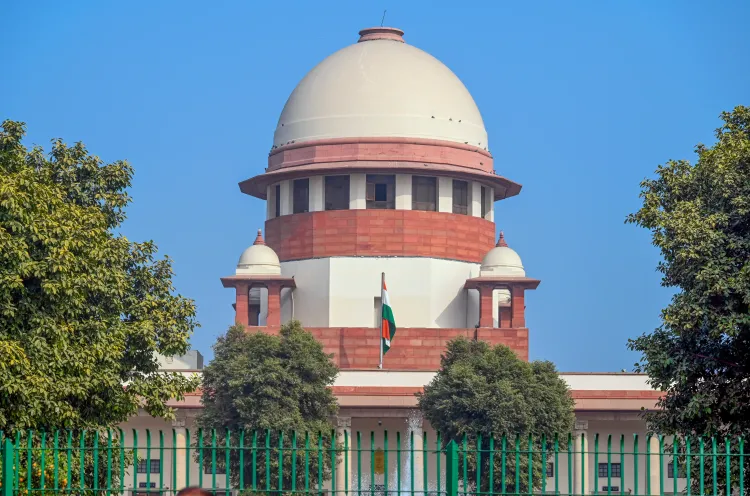
New Delhi, March 23 (NationPress) The Supreme Court has criticized the West Bengal government for the significant delays in the construction of the Kolkata Metro project, indicating that the actions of the authorities demonstrate an obstinate attitude aimed at hindering a vital public infrastructure initiative.
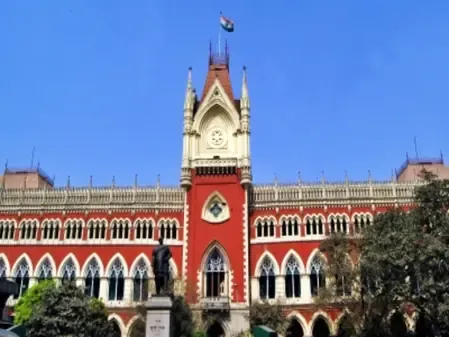
A Bench led by Chief Justice of India (CJI) Justice Surya Kant denied the state government’s special leave petition (SLP) challenging a Calcutta High Court ruling that allowed traffic blockades to facilitate the construction of the Orange Line metro.
The bench, which also included Justices Joymalya Bagchi and Vipul M Pancholi, emphasized that the Calcutta High Court’s instructions were sound and expressed optimism that the project would be finalized within a specified timeframe.
“This merely highlights the obstinate attitude of the authority, which is intent on delaying the metro rail project,” the Supreme Court pointed out.
While hearing the case, the CJI-led Bench warned the West Bengal government against politicizing the matter, criticizing its claim that festival arrangements had hindered its ability to provide necessary support for the project.
“You (West Bengal government) informed the High Court that managing festivals is your priority. For you, festivals take precedence over development. You are not just willing — you are duty-bound,” the apex court stated, adding that such an attitude is unbecoming of a democratically elected government.
The court also dismissed the state government’s argument regarding the Model Code of Conduct, noting: “If the Election Commission can manage elections, there’s no justification for this project to be stalled.”
The bench criticized the authorities' conduct, stating that the Calcutta High Court had exercised significant restraint in this situation.
“This was a scenario where action should have been taken against your Chief Secretary and Director General of Police. It reflects a complete neglect of your constitutional responsibilities,” the Supreme Court remarked.
As the state government's counsel sought to withdraw the SLP, the bench declined the request, stating that ample opportunities had already been provided.
This case pertains to the setbacks in completing a critical segment of the Kolkata Metro’s Orange Line, where construction was stalled due to insufficient clearances and backing from the state government.
Point of View
This situation underscores the critical need for government accountability in infrastructure projects. The Supreme Court's strong stance reflects a commitment to ensuring that public works are prioritized, particularly in times of political challenges. It is essential for democratically elected officials to focus on development rather than allowing political considerations to delay progress.
NationPress
25 Sept 2026
Frequently Asked Questions
What is the Supreme Court's stance on the Kolkata Metro delays?
The Supreme Court has criticized the West Bengal government for its delays, highlighting an 'obstinate attitude' towards the construction of the Kolkata Metro's Orange Line.
Why was the state government's special leave petition denied?
The special leave petition was denied because the Supreme Court found no issues with the Calcutta High Court's directions allowing traffic blockades for construction.
What did the Supreme Court say about festival management?
The Supreme Court remarked that prioritizing festival management over development is unacceptable for a democratically elected government.
How does the Model Code of Conduct affect the project?
The Supreme Court dismissed the state's reliance on the Model Code of Conduct, stating that if elections can proceed, so can the metro project.
What are the implications of the Supreme Court's remarks?
The Supreme Court's remarks emphasize the need for accountability and swift action in public infrastructure projects, urging the government to fulfill its duties.