SC orders CBI probe into Chhattisgarh custodial death, ₹25 lakh interim relief
Synopsis
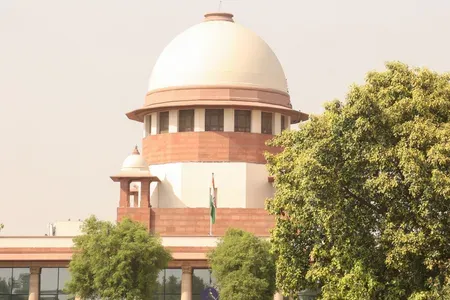
The Supreme Court has stripped Chhattisgarh of its own investigation into a custodial death, handed it to the CBI, and multiplied the state's compensation liability 25-fold — from ₹1 lakh to ₹25 lakh interim relief. The ruling is a direct rebuke of both the state police and the High Court's handling of Shravan Suryavanshi's death in custody in January 2024.
Key Takeaways
The Supreme Court on 12 August transferred the custodial death probe of Shravan Suryavanshi from state police to the CBI .
The Chhattisgarh government has been directed to pay ₹25 lakh as interim compensation to his widow Lahra Bai Tamre and daughters Sandhya and Sakshi .
Suryavanshi, 34 , was arrested on 18 January 2024 in Bilaspur over alleged possession of six litres of mahua liquor and died on 22 January 2024 .
A judicial inquiry report dated 22 July 2024 opined that death was caused by complications from a head injury .
The earlier Chhattisgarh High Court award of ₹1 lakh was called 'completely inadequate' by the apex court.
The CBI must report progress at the next hearing on 13 October ; final compensation quantum is yet to be determined.
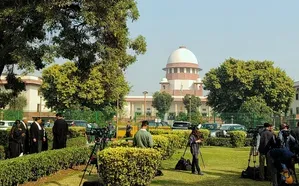
The Supreme Court on Wednesday, 12 August transferred the investigation into the custodial death of Shravan Suryavanshi alias Sarvan Tamre to the Central Bureau of Investigation (CBI), directing the Chhattisgarh government to pay ₹25 lakh as interim compensation to his widow and two minor daughters. The bench sharply criticised the state's inaction and called the ₹1 lakh compensation earlier awarded by the High Court 'completely inadequate.'
What the Supreme Court Ordered
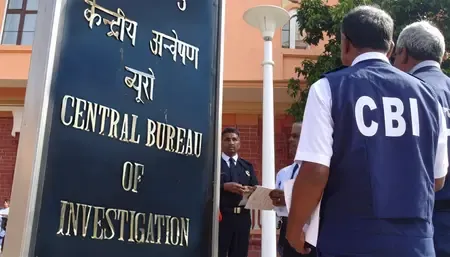
A bench of Justices Vikram Nath and Sandeep Mehta, which had reserved its order on 4 August, directed the CBI to register a regular criminal case and entrust the investigation to a senior officer. The court set 13 October as the next date of hearing, by which the CBI must place a progress report before it.
'In the facts and circumstances of the case, we are of the firm opinion that the ends of justice require that investigation into the circumstances leading to the custodial death of Shravan be entrusted to the Central Bureau of Investigation and that all officials found responsible for the custodial violence upon completion of the investigation be proceeded against and prosecuted in accordance with law,' the apex court held.
The court also directed the CBI to examine the conduct of Chhattisgarh officials who failed to act on findings recorded in a judicial inquiry into the death — a pointed indictment of administrative inertia at the state level.
The Sequence of Events
Shravan Suryavanshi, aged 34, was arrested by the Seepat police in Bilaspur district on 18 January 2024 in connection with an alleged possession of six litres of raw mahua liquor under Section 34(2) of the Chhattisgarh Excise Act. He was sent to Central Jail, Bilaspur, and on 21 January 2024 was referred to CIMS Hospital, Bilaspur, where he died during treatment on 22 January 2024.
His widow, Lahra Bai Tamre, and daughters Sandhya and Sakshi alleged he was brutally beaten in police or jail custody. The Chhattisgarh government, however, told the High Court that a post-arrest medical examination had found no external injuries and cited his history of alcohol consumption.
A Judicial Magistrate First Class, Bilaspur, in a report dated 22 July 2024, opined that the death appeared to have resulted from complications arising from a head injury — a finding that the state did not formally dispute before the Supreme Court.
How the High Court Fell Short
The Chhattisgarh High Court, in its judgment of 3 October 2024, had awarded only ₹1 lakh compensation and issued no direction for registration of an FIR or a deeper investigation. A bench of Chief Justice Ramesh Sinha and Justice Bibhu Datta Guru had directed payment within eight weeks, with 9% per annum interest in case of default.
The family challenged this order before the Supreme Court. On 28 July, the apex court noted that the state's counter-affidavit did not disclose any steps taken toward registering an FIR and called the ₹1 lakh award disproportionate to the gravity of the loss.
Legal Basis and Broader Context
The Supreme Court's order rests on the settled constitutional principle that the state can be held liable for an unnatural death in custody in violation of the fundamental right to life under Article 21 of the Constitution. The High Court had itself cited the Supreme Court's landmark ruling in D.K. Basu vs. State of West Bengal, which held that custodial violence strikes at the rule of law and is aggravated when committed by those entrusted with protecting citizens.
Notably, this is not an isolated incident — custodial death cases have repeatedly exposed a pattern of delayed FIRs, inadequate compensation, and state resistance to independent investigation. The Supreme Court's decision to pull the probe from the state police and hand it to the CBI signals a deepening institutional distrust of local accountability mechanisms in such cases.
The final quantum of compensation payable to the family will be determined as the petition continues. With the CBI now in the picture and senior Chhattisgarh officials already summoned via video conferencing, the pressure on the state government to demonstrate accountability has escalated significantly.
Point of View
Defensively, and with minimal accountability. That the Chhattisgarh government did not even register an FIR after a judicial magistrate linked the death to a head injury is the kind of institutional failure that the D.K. Basu guidelines were designed to prevent, yet clearly have not. The 25-fold jump in interim compensation — from ₹1 lakh to ₹25 lakh — also signals that courts are losing patience with token awards in cases involving state violence. What remains to be tested is whether CBI oversight translates into prosecutions, or becomes another layer of process that ultimately shields the officials involved.
NationPress
26 Sept 2026
Frequently Asked Questions
Why did the Supreme Court order a CBI probe into the Chhattisgarh custodial death?
The Supreme Court found that the Chhattisgarh government had failed to register an FIR or take any meaningful action despite a judicial inquiry report linking the death to a head injury sustained in custody. The court concluded that justice required an independent investigation by the CBI, free from state influence.
Who was Shravan Suryavanshi and how did he die?
Shravan Suryavanshi, also known as Sarvan Tamre, was a 34-year-old man arrested by Seepat police in Bilaspur district on 18 January 2024 over alleged possession of six litres of raw mahua liquor. He was sent to Central Jail, Bilaspur, and died at CIMS Hospital on 22 January 2024. A judicial magistrate's report opined that his death was caused by complications from a head injury.
How much compensation has been awarded to the family?
The Supreme Court directed the Chhattisgarh government to pay ₹25 lakh as interim compensation to Shravan's widow Lahra Bai Tamre and their two daughters. The final compensation amount will be determined once the full petition is adjudicated.
What had the Chhattisgarh High Court decided earlier?
The Chhattisgarh High Court had awarded only ₹1 lakh compensation to the family in its October 2024 judgment and issued no directions for an FIR or investigation. The Supreme Court called this award 'completely inadequate and not commensurate with the gravity of the loss.'
What happens next in this case?
The CBI has been directed to register a criminal case, investigate expeditiously, and place a progress report before the Supreme Court at the next hearing on 13 October. The court will also determine the final quantum of compensation at a later stage.