Twisha Sharma death case: SC intervention 'great satisfaction', CBI probe begins
Synopsis
After weeks of the family allegedly being ignored, the Supreme Court's intervention in the Twisha Sharma death case has forced a CBI transfer and put the accused's media conduct under judicial scrutiny — while lawyers are openly challenging the suicide theory on physical grounds.
Key Takeaways
The Supreme Court heard the Twisha Sharma death case on 25 May , with the family's counsel calling the intervention a matter of 'great satisfaction' .
The case has been transferred from the SIT in Bhopal to the CBI following a state government recommendation.
Solicitor General Tushar Mehta assured the court all procedural formalities for the CBI handover would be completed at the earliest.
The Supreme Court directed the CBI to immediately begin recording witness statements and ensure all evidence is handed over for a neutral probe.
Accused Giribala Singh's media statements post-bail drew the court's notice; the court said all matters should now be placed before the CBI.
Advocate Seema Samridhi Kushwaha questioned the suicide angle, citing a phone call that disconnected abruptly and physical inconsistencies in the alleged hanging.
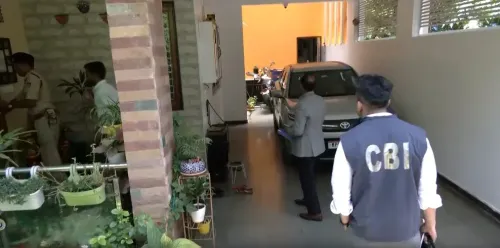
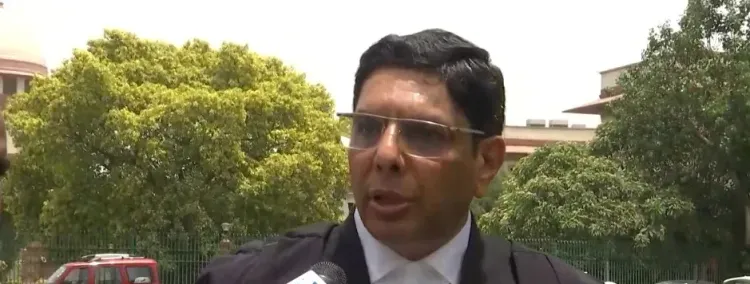
The Supreme Court on Monday, 25 May took up the case surrounding the death of former actor-model Twisha Sharma, with the family's counsel Advocate Anurag Srivastava saying the apex court's intervention has finally brought relief to a family that had spent weeks struggling to be heard. The case, which had been with a Special Investigation Team (SIT) in Bhopal, has now been transferred to the Central Bureau of Investigation (CBI) following a state government recommendation.
Family's Relief After Weeks of Struggle
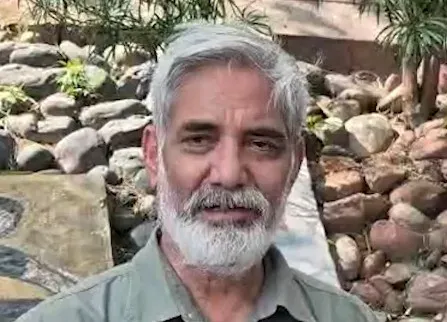
Advocate Srivastava said the family had earlier found itself running from one authority to another without resolution. 'It was a very sensitive matter. There was a time when no one was listening to Twisha's family, and they were running from place to place. This is a matter of great satisfaction for us. Whatever developments took place in the last eight to ten days, the Supreme Court has taken cognisance of them,' he said.
He noted that the family's primary demand — a CBI transfer — had now been fulfilled. The state government took the initiative in recommending the handover, which Srivastava described as a positive step.
CBI Transfer and Court Directions
Solicitor General Tushar Mehta, appearing on behalf of the state government, assured the Supreme Court that all remaining procedural formalities required to formalise the transfer to the CBI would be completed at the earliest — and would endeavour to do so on the same day. The Supreme Court also directed the CBI to immediately commence the investigation and begin recording statements from witnesses on both sides.
According to Srivastava, the court emphasised that all evidence must be handed over to the CBI to ensure neutrality and transparency in the probe. The Supreme Court further indicated it would closely monitor developments and could take suo motu cognisance if lapses, procedural irregularities, or institutional biases were detected.
Accused's Media Statements Draw Court's Notice
The court reportedly took note of statements being made to the media by Giribala Singh — Twisha's mother-in-law and an accused in the case — following her bail. Srivastava said the Supreme Court observed that all matters related to the case should henceforth be placed before the CBI rather than aired publicly. Advocate Seema Samridhi Kushwaha also pointed to what she described as Giribala Singh's visible confidence after receiving bail, raising questions about the influence she may wield.
Questions Over Suicide Theory
Advocate Kushwaha raised pointed questions about the circumstances of Twisha's death, challenging the suicide angle. 'Twisha was speaking to her parents on the phone, and suddenly the call got disconnected. Her phone was switched off despite repeated calls. How could she commit suicide within half an hour? This is a very serious question,' she said.
Kushwaha also questioned the physical plausibility of the alleged hanging, noting that Twisha was 5 feet 8 inches tall and raising doubts about what she could have used and whether she could have reached the point from which she allegedly hung. She further referenced a statement by husband Samarth Singh in which he said his mother tried to pull the body down from a bed, asking how Twisha could have reached there if the mother-in-law could. These questions, she said, warrant thorough investigation by the CBI.
What Happens Next
With the CBI now formally taking over, investigators are expected to begin recording witness statements promptly. The Supreme Court's decision to retain oversight means any deviation from due process could trigger direct judicial intervention. The family and their legal team have expressed hope that the CBI inquiry will deliver the transparency and accountability that, they allege, was absent in earlier proceedings.
Point of View
The court's suo motu threat becomes very real. What is notable is how long the family reportedly had to wait before being heard at all — a pattern that the court's intervention now implicitly acknowledges. The CBI's credibility here will be measured not by speed but by whether it pursues the forensic inconsistencies that the SIT, reportedly, did not.
NationPress
11 Oct 2026
Frequently Asked Questions
What is the Twisha Sharma death case?
Twisha Sharma was a former actor-model whose death triggered a legal dispute over the circumstances, with her family contesting the suicide angle. The case had been under investigation by an SIT in Bhopal before being transferred to the CBI following Supreme Court intervention on 25 May.
Why has the case been transferred to the CBI?
The state government recommended handing the case to the CBI, and the Supreme Court endorsed the move to ensure neutrality and transparency. The family had been demanding a CBI transfer, alleging that earlier proceedings lacked impartiality.
What did the Supreme Court direct in the Twisha Sharma case?
The Supreme Court directed the CBI to immediately begin the investigation and start recording witness statements. It also ordered that all evidence be handed over to the CBI and indicated it would monitor the probe closely, with the option of suo motu cognisance if lapses are found.
Who is Giribala Singh and why did the court take notice of her?
Giribala Singh is Twisha Sharma's mother-in-law and an accused in the case. After receiving bail, she reportedly made several statements to the media, which the Supreme Court took note of, observing that all matters related to the case should now be placed before the CBI.
Why are lawyers questioning the suicide theory in the Twisha Sharma case?
Advocate Seema Samridhi Kushwaha pointed out that Twisha was on a phone call with her parents when the line suddenly went dead and her phone was switched off — and questioned how a suicide could have occurred within half an hour. She also raised physical inconsistencies about the alleged hanging, given that Twisha was 5 feet 8 inches tall.