Refusal to marry not abetment of suicide, rules Supreme Court
Synopsis
The Supreme Court has drawn a clear legal line: refusing to marry someone — even after a live-in relationship — is not abetment of suicide. In quashing the Telangana case against six accused, the Bench ruled that without proof of instigation, intent, or knowledge, heartbreak alone cannot be criminalised under Section 306 IPC.
Key Takeaways
The Supreme Court quashed criminal proceedings against six accused in a suicide abetment case from Kushaiguda, Telangana .
The Bench held that a refusal to marry following a consensual relationship cannot, by itself, amount to abetment of suicide .
Pardiwala and Justice K.
Vinod Chandran found no material establishing instigation, intent, or knowledge by the accused.
101 of 2024 was quashed; accused in custody directed to be released forthwith.
The court noted that when the deceased informed her sister of her intention, no steps were taken by the family to avert the suicide.
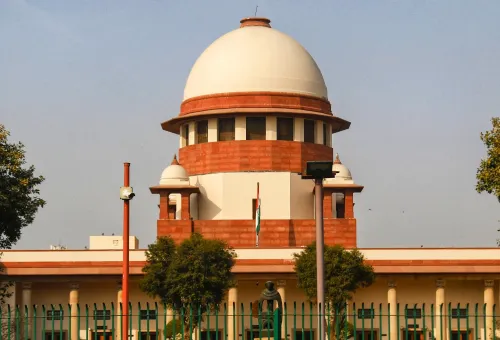
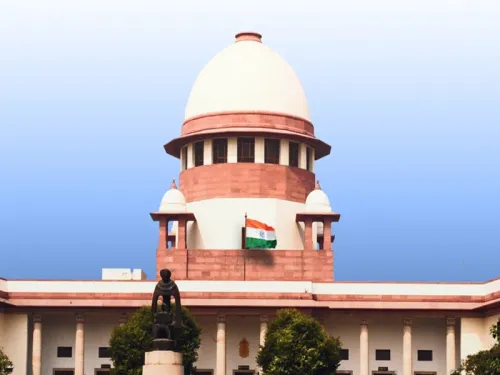
The Supreme Court of India has quashed criminal proceedings against six persons accused of abetting the suicide of a woman whose lover allegedly refused to marry her, ruling that a refusal to marry following a consensual relationship cannot, by itself, constitute abetment of suicide under Indian law. The order was delivered on 8 October 2026 and has significant implications for how courts interpret Section 306 of the Indian Penal Code in relationship-related cases.
Background of the Case
The case originated from the death by suicide of a woman who had been living with the first appellant — her alleged lover — for approximately three months at his residence in Kushaiguda, Medchal-Malkajgiri District, Telangana. The relationship was described as consensual by both sides. Following the woman's death, her siblings alleged that the first appellant had refused to marry her, and that this refusal drove her to take the extreme step.
An FIR was registered based on a statement given by the deceased's sister. The prosecution further alleged that the first appellant's friend had spoken ill of the deceased, while his sister and parents had opposed the relationship. Additionally, the sister's proposed bridegroom had reportedly threatened to call off their marriage if the first appellant wed the deceased — adding social and familial pressure to the situation.
What the Supreme Court Ruled
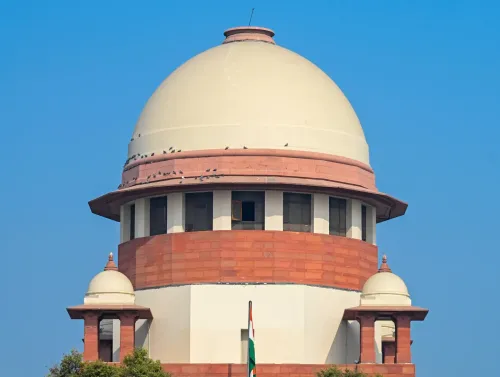
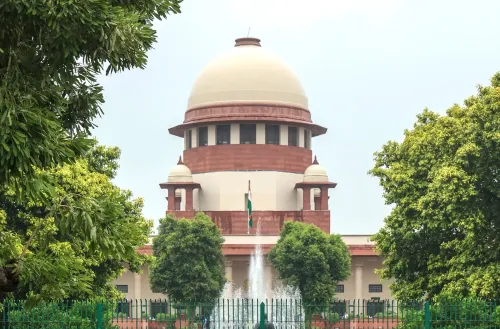
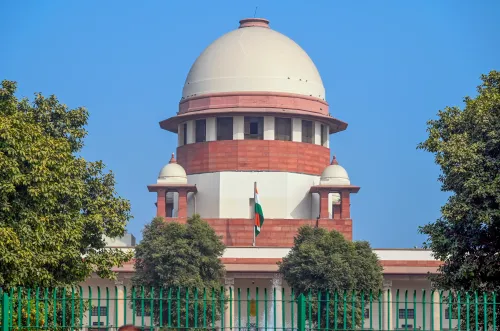
A Bench comprising Justice J.B. Pardiwala and Justice K. Vinod Chandran set aside the criminal proceedings pending before the II Additional Senior Civil Judge-cum-Additional Chief Judicial Magistrate, Medchal-Malkajgiri District. The court held that there was no material on record to establish that any of the accused had instigated the deceased to end her life.
'We are unable to find any instigation by the accused/appellants to drive the deceased to death by suicide. It was neither intended nor can it be said to be abetment,' the Bench stated in its order.
The court further observed that even accepting the prosecution's case in its entirety, the facts disclosed at best a refusal to marry — not a deliberate act of instigation. 'At the worst, even if we fully believe what has been stated by the 1st informant, there was a refusal of marriage, which led to the woman committing suicide,' the Bench noted.
The Court's Reasoning on Intent and Knowledge
The Justice Pardiwala-led Bench stressed that the legal threshold for abetment requires proof of either intent to drive the victim to suicide, or knowledge that the act would have that consequence. Neither was established here. 'The refusal to marry was not with an intention to drive the woman to death by suicide, nor can knowledge be attributed to the accused that on such refusal, she would commit suicide,' the court said.
The Bench also made a broader observation about human behaviour: 'People react differently to situations, and if a breakup ends up with suicide, it cannot always be termed an abetment to suicide.' The court additionally noted that when the deceased had informed her eldest sister of her intention to end her life, no steps were taken by the family to intervene and avert the threatened suicide.
Relief Granted and Wider Significance
The Supreme Court quashed Sessions Case No. 101 of 2024 and directed that the accused, if in custody, be released forthwith unless required in connection with any other case. Their bail bonds were ordered cancelled if they were already on bail.
This ruling is notably consistent with a line of Supreme Court decisions that have sought to distinguish genuine abetment — involving direct instigation, conspiracy, or aid — from situations where a person's emotional distress following a relationship breakdown leads to self-harm. Legal observers note that such judgments are increasingly important as courts grapple with the intersection of personal relationships, social pressure, and criminal liability. The verdict is expected to serve as a reference point for trial courts dealing with similar cases in Telangana and across India.
Point of View
Which has historically been invoked in emotionally charged cases where grief-stricken families seek criminal accountability for a loved one's death. The court's insistence on proving intent or knowledge before attributing abetment is constitutionally sound — but it also puts the spotlight on an accountability gap: who bears responsibility when social and familial pressure contributes to a vulnerable person's death? The ruling's observation that the family took no steps to intervene after the deceased communicated her intention adds a dimension that mainstream coverage is likely to overlook. As relationship-related suicide cases multiply before Indian courts, this judgment may become the anchor precedent — and trial courts will need to apply its intent-and-knowledge framework rigorously rather than defaulting to FIRs under family pressure.
NationPress
8 Oct 2026
Frequently Asked Questions
What did the Supreme Court rule on refusal to marry and abetment of suicide?
The Supreme Court ruled on 8 October 2026 that a refusal to marry following a consensual relationship cannot, by itself, amount to abetment of suicide under Section 306 IPC. The court held that abetment requires proof of instigation, intent to drive the person to suicide, or knowledge that refusal would have that consequence — none of which was established in this case.
What was the Telangana case that led to this Supreme Court ruling?
The case involved a woman who had been living with her alleged lover in Kushaiguda, Medchal-Malkajgiri District, Telangana, for about three months before she died by suicide. Her siblings alleged the man refused to marry her, leading her to take the extreme step; an FIR was registered against six persons for abetment of suicide under Sessions Case No. 101 of 2024.
Who were the judges on the Supreme Court Bench that delivered this verdict?
The ruling was delivered by a Bench comprising Justice J.B. Pardiwala and Justice K. Vinod Chandran. The Justice Pardiwala-led Bench set aside the proceedings pending before the II Additional Senior Civil Judge-cum-Additional Chief Judicial Magistrate, Medchal-Malkajgiri District.
What relief did the Supreme Court grant to the accused?
The Supreme Court quashed Sessions Case No. 101 of 2024 and directed that any accused in custody be released forthwith unless required in connection with another case. The court also ordered that their bail bonds stand cancelled if they were already on bail.
Why does this judgment matter for future abetment of suicide cases in India?
The ruling sets a clear precedent that criminal liability for abetment of suicide requires proof of direct instigation, intent, or knowledge — not merely an act, such as refusing marriage, that preceded a suicide. It is expected to serve as a reference point for trial courts across India when assessing similar cases involving relationship breakdowns and suicide.