Will the SC Stay the Ajmer Temple-Dargah Dispute?
Synopsis
In a significant development, the Supreme Court has declined to stay the ongoing lawsuit concerning the alleged unauthorized occupation of a temple by the Ajmer Sharif Dargah. The bench emphasized adherence to its previous orders, raising questions about the procedural integrity of the case. What implications does this have for similar disputes across the nation?
Key Takeaways
The Supreme Court upheld its previous orders regarding the Places of Worship Act.
New lawsuits under the Act are prohibited until further notice.
The case reflects the ongoing tensions between religious rights and legal frameworks.
Petitioners must adhere to procedural guidelines when filing appeals.
Implications of this ruling extend to similar disputes across the nation.
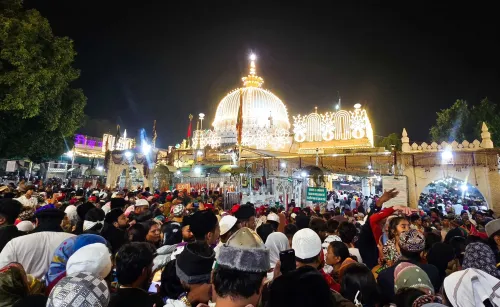
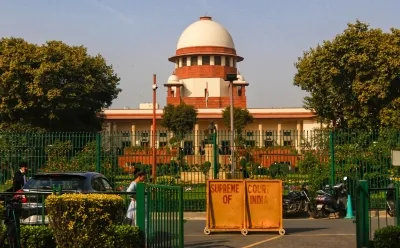
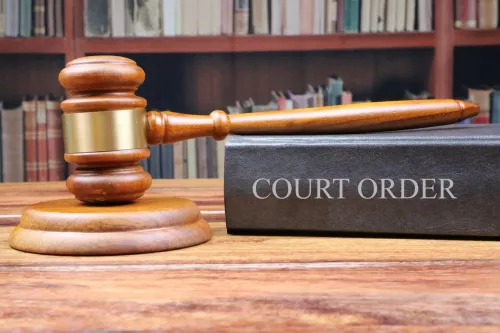
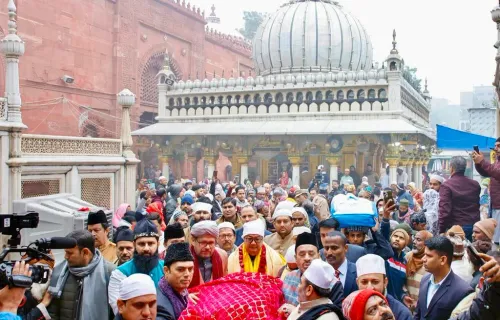
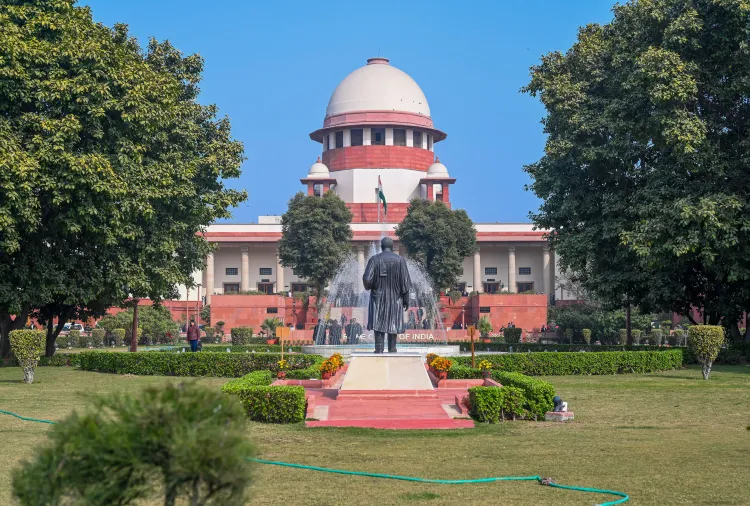
New Delhi, Feb 18 (NationPress) The Supreme Court on Wednesday refused to hear a petition requesting a stay on the ongoing lawsuit in a civil court in Ajmer concerning the alleged unauthorized occupation of the Shankat Mochan Mahadev Temple by the Ajmer Sharif Dargah. A bench led by Chief Justice of India (CJI) Surya Kant decided not to intervene at this moment, noting that the apex court’s previous interim order, issued in a series of petitions questioning the constitutional validity of the Places of Worship (Special Provisions) Act, 1991, is applicable to all courts.
In its directive dated December 12, 2024, the Supreme Court mandated that no new lawsuits be registered under this controversial law, which forbids filing claims to reclaim places of worship or alter their status from what existed on August 15, 1947, nationwide. Furthermore, it instructed that pending cases should not result in any final or effective interim orders until further notice.
The recent application was submitted by a member of the Dervish community, followers of Khwaja Moinuddin Chishti, who expressed concerns that the Ajmer civil court might issue a survey order regarding the ongoing case related to the Ajmer Sharif Dargah.
The petition argued that, despite the apex court’s ruling against new lawsuits under the Places of Worship Act and the prohibition on issuing effective interim or final orders in ongoing matters, the Ajmer court had nevertheless issued a notice in the case. It sought a directive for strict adherence to the Supreme Court’s interim order and to prevent the Ajmer court from issuing any interim or final rulings.
During the proceedings, the CJI-led bench stated, "There is already an order from us. That order is binding on all courts. If any court issues an order, we will review it. If there has been any defiance, we will evaluate whether the order is in violation of ours, and consequences will follow."
The bench, which also included Justices Joymalaya Bagchi and Vipul M. Pancholi, further noted that no ruling had yet been handed down by the Ajmer court.
"A suit might have been filed. You are claiming that an order is forthcoming. It has not been issued yet, correct? Let the order be issued, and then return to us. Presently, until an order is made, how can we step in?" the apex court remarked.
"This court has indicated that suits can be filed, but they should not be advanced at this time. A suit has simply been filed," it added.
The CJI Surya Kant-led bench also declined to consider the petition on procedural grounds, pointing out that the petitioner was not a party in the Ajmer court and had not included the original parties to the suit in the application before the Supreme Court. The apex court is already addressing a series of petitions challenging the constitutionality of the Places of Worship Act, and the Centre has yet to submit its counter-affidavit clarifying its position on the law's constitutional validity.
Point of View
This case underscores the delicate balance between religious sentiments and legal frameworks. The Supreme Court's decision reflects a commitment to maintaining the rule of law while navigating the complexities of India's diverse religious landscape. It is a reminder of the judiciary's role in addressing sensitive issues without compromising constitutional integrity.
NationPress
27 Sept 2026
Frequently Asked Questions
What is the significance of the Places of Worship Act?
The Places of Worship Act, enacted in 1991, aims to maintain the religious status of places of worship as they existed on August 15, 1947, preventing alterations or claims to reclaim such sites.
Who are the parties involved in the Ajmer temple-dargah dispute?
The dispute involves the Shankat Mochan Mahadev Temple and the Ajmer Sharif Dargah, with claims regarding unauthorized occupation being central to the ongoing litigation.
What was the Supreme Court's recent ruling regarding new lawsuits?
The Supreme Court has directed that no new lawsuits under the Places of Worship Act be entertained while also prohibiting final or effective interim orders in ongoing matters.
Why did the Supreme Court refuse to intervene at this stage?
The Supreme Court declined to intervene because it is awaiting any rulings from the Ajmer court, emphasizing the need for a decision to be made before further appeal.
What does this ruling mean for future cases?
This ruling establishes a precedent for adherence to the Supreme Court's prior orders and highlights the complexities involved in religious disputes in India.