SC signals dismissal of Punjab DIG Bhullar's bail plea in CBI corruption case
Synopsis
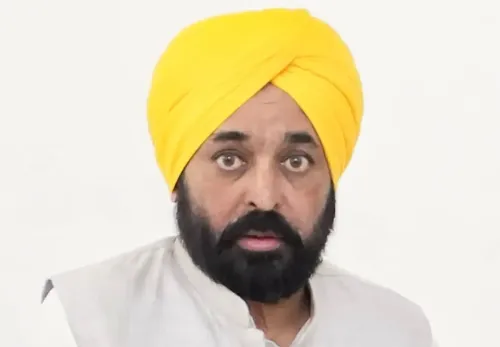
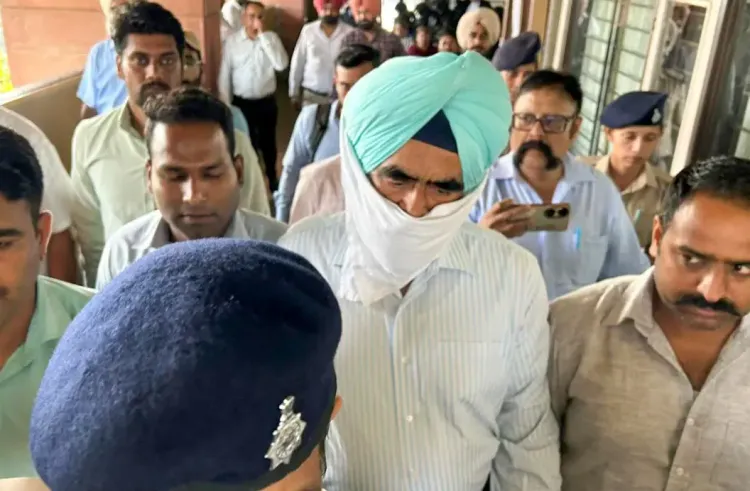
Chief Justice Surya Kant's blunt courtroom remark — '100 per cent case of dismissal!' — underscores just how precarious suspended Punjab DIG Harcharan Singh Bhullar's position has become. Having been turned away by the High Court twice and now facing open scepticism from the Supreme Court, Bhullar has been in custody since October 2025 over allegations of demanding ₹8 lakh through a co-accused, with witness examination still pending.
Key Takeaways
The Supreme Court on 15 September 2026 strongly indicated it may dismiss the bail plea of suspended Punjab DIG Harcharan Singh Bhullar .
CJI Surya Kant remarked: '100 per cent case of dismissal!' during the hearing; next date fixed for 27 October .
Bhullar has been in custody since 16 October 2025 , arrested in Chandigarh in a CBI trap operation.
He is accused of demanding ₹8 lakh in illegal gratification through co-accused Krishanu ; Krishanu was caught accepting ₹5 lakh .
The Punjab and Haryana High Court dismissed his second bail petition on 10 August , citing witness tampering risk and prima facie evidence of bribery.
Courts have rejected his argument that the CBI lacks jurisdiction over the case.
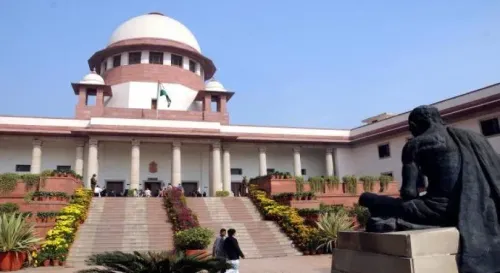
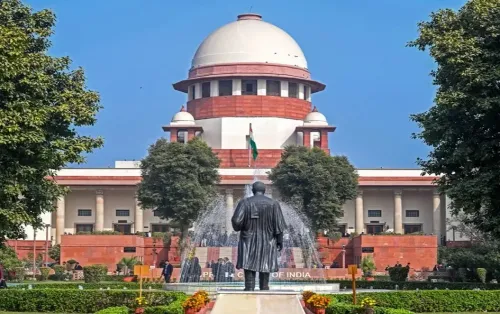
The Supreme Court on Tuesday, 15 September 2026, strongly indicated it may dismiss the bail application of suspended Punjab Police Deputy Inspector General (DIG) Harcharan Singh Bhullar, who is in custody in a bribery case being investigated by the Central Bureau of Investigation (CBI). The bench's remarks signal deepening judicial scepticism toward Bhullar's repeated attempts to secure release.
What the Supreme Court Said
A bench comprising Chief Justice of India (CJI) Surya Kant, Justice Joymalya Bagchi, and Justice V. Mohana heard the matter before adjourning it for four weeks. The adjournment came after Bhullar's counsel informed the court that the complainant and a key material witness had yet to be examined. The counsel also sought permission to examine two shadow witnesses.
CJI Surya Kant made his displeasure unambiguous, remarking: '100 per cent case of dismissal! You want to dismiss it now or later?' The court stated it would take up the bail plea only after the relevant witnesses have been examined. The next hearing has been scheduled for 27 October.
Background: A Chain of Bail Rejections
Bhullar has been in custody since 16 October 2025, when he was arrested in Chandigarh following a trap operation by the CBI. This marks his third significant attempt at bail across multiple courts, each resulting in rejection.
The Punjab and Haryana High Court had dismissed his second successive bail petition on 10 August, with Justice Manish Batra observing there was no 'drastic or substantive change' in circumstances since the earlier dismissal. The High Court also rejected his argument that the CBI lacked jurisdiction, holding that as an Indian Police Service (IPS) officer working under Central government control, his posting in Punjab did not limit the CBI's authority to investigate.
The Corruption Allegations Against Bhullar
The case originates from a complaint filed by businessman Akash Batta, who alleged that Bhullar — then posted as DIG, Ropar Range — had demanded illegal gratification through a co-accused named Krishanu in exchange for not taking coercive action against his business in a criminal matter and for ensuring favourable treatment.
According to the prosecution, conversations between Bhullar and Krishanu were covertly recorded during the CBI's preliminary verification. One such recording allegedly captured Bhullar directing Krishanu to collect ₹8 lakh from the complainant. During the trap laid on 16 October 2025, Krishanu was allegedly caught accepting ₹5 lakh from Batta as part of the gratification purportedly demanded by Bhullar. Both men were arrested the same day.
Why Courts Have Refused Bail
The High Court, while refusing bail, observed that the allegations — supported by recorded conversations, the verification report, and the trap proceedings — 'prima facie make out a case for demand of gratification, direction or collection of the part of the same through the co-accused Krishanu.'
The court further held that the absence of a direct recovery from Bhullar was not material, since Krishanu had allegedly accepted the money on his behalf. Crucially, the High Court cited a 'reasonable apprehension' of witness intimidation given Bhullar's seniority within the police hierarchy. 'There exists a reasonable apprehension that he may attempt to influence witnesses, tamper with witness or otherwise obstruct the course of proceedings,' the High Court had stated.
What Happens Next
The Supreme Court has listed the matter for 27 October, by which time witnesses are expected to have been examined. Given the court's unambiguous oral remarks, Bhullar faces a steep challenge in securing relief. The case also carries broader significance for accountability within senior police ranks, particularly in cases where CBI jurisdiction over IPS officers has been contested.
Point of View
Which the High Court has now upheld; that precedent matters for how anti-corruption probes against senior police officers are conducted across states. The witness-tampering concern flagged repeatedly by both courts is also a reminder that seniority in the police hierarchy does not mitigate — and may in fact amplify — the risk of interference with proceedings.
NationPress
15 Sept 2026
Frequently Asked Questions
Why did the Supreme Court indicate it may dismiss Bhullar's bail plea?
The Supreme Court indicated dismissal because material witnesses in the CBI corruption case have not yet been examined, and the bench — led by CJI Surya Kant — found little basis to grant bail at this stage. The CJI explicitly remarked '100 per cent case of dismissal!' during the 15 September hearing.
What is the corruption case against DIG Harcharan Singh Bhullar?
Bhullar, then posted as DIG Ropar Range in Punjab, is accused of demanding ₹8 lakh in illegal gratification through co-accused Krishanu from businessman Akash Batta. Krishanu was arrested in a CBI trap on 16 October 2025 while allegedly accepting ₹5 lakh, and Bhullar was arrested the same day.
How many times has Bhullar been denied bail?
Bhullar has faced multiple bail rejections — the Punjab and Haryana High Court dismissed his second successive bail petition on 10 August 2026, and the Supreme Court had earlier declined to grant him bail as well. He has been in continuous custody since his arrest on 16 October 2025.
Does the CBI have jurisdiction to investigate a Punjab-posted officer?
Yes, according to the Punjab and Haryana High Court's ruling. Justice Manish Batra held that since Bhullar is an IPS officer working under Central government control, his posting in Punjab does not invalidate the CBI's authority to probe the case.
When is the next Supreme Court hearing in the Bhullar case?
The Supreme Court has scheduled the next hearing for 27 October, by which time the court expects relevant witnesses to have been examined. The bench indicated it would reconsider the bail plea only after that process is completed.