SC to hear YSRCP plea on AP Urban Local Body nomination deadline

Synopsis
With Andhra Pradesh's Urban Local Body polling just days away, the Supreme Court is set to hear a YSRCP plea alleging that its candidates were physically blocked from filing nominations in Kadapa, Tirupati and other constituencies on 16 October — and that the High Court wrongly refused to extend the deadline. The case tests whether courts can intervene when obstruction, not default, allegedly caused a party to miss the window.
Key Takeaways
The Supreme Court bench of Justices Joymalya Bagchi and V.
Mohana will hear the YSRCP 's plea at 10.30 am IST on Wednesday .
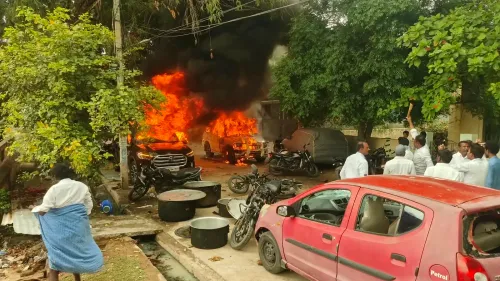
The YSRCP alleges candidates were blocked from filing nominations on 16 October in Punganur, Rayachoti, Kadapa and Tirupati .
In Kadapa , nomination papers were allegedly seized and torn; in Tirupati , candidates were reportedly physically blocked from Returning Officers' offices.
Midhun Reddy was allegedly attacked while travelling to file nominations, according to the petition.
The Andhra Pradesh High Court dismissed the extension request on 18 October , calling it interference in the electoral process.
AP ULB polling is scheduled for 28 October , with counting on 30 October , leaving minimal time for judicial intervention.
The Supreme Court is set to hear, on Wednesday, 22 October 2025, a petition filed by the YSR Congress Party (YSRCP) challenging an Andhra Pradesh High Court order that refused to extend the deadline for filing nominations for the state's Urban Local Body (ULB) elections. The plea comes amid serious allegations of violence, intimidation, and obstruction of Opposition candidates during the nomination process.
A bench of Justices Joymalya Bagchi and V. Mohana will take up the matter at 10.30 am IST, as per the cause list published on the apex court's official website.
What the YSRCP Has Alleged
The Special Leave Petition (SLP), filed under Article 136 of the Constitution, challenges the High Court's dismissal of an application seeking a one-day extension of the nomination deadline. The YSRCP contends that its candidates were systematically prevented from filing nominations on 16 October — the first day of the process — in multiple constituencies.
The party has specifically named Punganur, Rayachoti, Kadapa, and Tirupati as locations where obstructions occurred. In Kadapa, nomination papers of a party candidate were allegedly seized and torn. In Tirupati, several candidates were reportedly physically blocked from entering the offices of the Returning Officers concerned.
The YSRCP also alleged that party workers and Member of Parliament P.V. Midhun Reddy were attacked while travelling to file their nomination papers.
How the Andhra Pradesh High Court Ruled
The YSRCP had initially approached the Andhra Pradesh High Court seeking directions for alternative nomination centres with adequate security, arguing that the failure to ensure safe filing of nominations violated constitutional provisions. A single judge, on 15 October, declined to grant blanket relief, though allowed individual candidates facing threats to approach the Election Officers for permission to file at alternative locations.
Following this partial refusal, the YSRCP appealed and sought an extension of the nomination deadline. A Division Bench of the High Court dismissed the application on 18 October, observing that the nomination window had already expired and that any direction at that stage would constitute interference with the election process.
The High Court further noted that the relief sought went beyond the scope of the original writ petition, and that — in the absence of a copy of any rejection order from the State Election Commission — the justification for such rejection could not be examined. The court also observed that constitutional courts would be 'loath to issue' directions after the expiry of the nomination deadline if doing so amounted to interference with an ongoing election.
YSRCP's Argument Before the Supreme Court
In its SLP, the YSRCP has sought to reframe the legal question, arguing that the principle of non-interference in elections is a rule of judicial restraint — not an absolute bar to directions aimed at facilitating free and fair polls. The party contends that the expiry of the nomination deadline, caused allegedly by active obstruction rather than procedural default, should not itself extinguish its right to seek relief.
This argument draws on established constitutional jurisprudence distinguishing between courts declining to interfere in electoral disputes mid-process, and courts declining to act when the electoral process itself is alleged to have been corrupted before it could unfold.
Election Timeline and What Comes Next
The Andhra Pradesh ULB election schedule is tightly compressed. The main writ appeal is listed before the High Court on 26 October, while withdrawal of candidatures is scheduled for 21 October, polling on 28 October, and counting of votes on 30 October. The narrow window leaves the Supreme Court with limited time to intervene if it finds merit in the YSRCP's case.
The outcome of Wednesday's hearing could have significant implications for the conduct of urban local body elections across Andhra Pradesh, and may set a broader precedent on when courts can intervene to protect the right to participate in an electoral process.
Point of View
But it was never designed to insulate active obstruction of the nomination process. If the allegations of physical blockades and torn papers are even partially true, dismissing the plea on procedural grounds would effectively reward disruption. The High Court's observation that it lacked a copy of the State Election Commission's rejection order suggests the evidentiary record was thin — which may itself reflect the rushed, on-the-ground chaos the YSRCP describes. With polling on 28 October, the apex court's response on Wednesday will either set a meaningful deterrent against nomination-day obstruction tactics, or confirm that the nomination deadline is an impenetrable wall regardless of how it was reached.
NationPress
20 Oct 2026
Frequently Asked Questions
Why is the YSRCP approaching the Supreme Court over Andhra Pradesh ULB elections?
The YSRCP has filed a Special Leave Petition before the Supreme Court challenging an Andhra Pradesh High Court order that refused to extend the deadline for filing nominations for Urban Local Body elections. The party alleges its candidates were physically prevented from filing nominations on 16 October in multiple constituencies, including Kadapa and Tirupati, and that the High Court's refusal denied them a fair opportunity to participate.
What did the Andhra Pradesh High Court rule on the nomination deadline extension?
A Division Bench of the Andhra Pradesh High Court dismissed the YSRCP's application on 18 October, holding that the nomination window had expired and any direction to extend it would amount to interference in the electoral process. It also noted that the relief sought went beyond the scope of the original writ petition.
What specific incidents did the YSRCP allege during the nomination process?
The YSRCP alleged that nomination papers of a candidate in Kadapa were seized and torn, and that candidates in Tirupati were physically blocked from entering Returning Officers' offices. The party also alleged that MP P.V. Midhun Reddy and party workers were attacked while travelling to file nominations.
What is the election schedule for Andhra Pradesh Urban Local Body elections?
The AP ULB election schedule provides for withdrawal of candidatures on 21 October, polling on 28 October, and counting of votes on 30 October. The main writ appeal before the High Court is listed for 26 October, leaving a very narrow window for any judicial intervention.
What legal argument is the YSRCP making before the Supreme Court?
The YSRCP argues that the principle of non-interference in elections is a rule of judicial restraint, not an absolute constitutional bar, and that courts retain the power to issue directions to ensure free and fair elections. It contends that the expiry of the nomination deadline — allegedly caused by external obstruction rather than a party's own default — should not defeat its right to seek relief.