SEBI allows REITs, InvITs to issue DRs and list on GIFT City exchanges
Synopsis
SEBI has opened a new overseas capital channel for Indian REITs and InvITs by allowing them to issue depository receipts and list on GIFT City's international exchanges. With a strict 75% unitholder approval threshold, merchant banker oversight, and a bar on Indian residents as DR holders, the framework is designed for global institutional access — and signals GIFT City's growing ambition as a cross-border financial gateway.
Key Takeaways
SEBI on 2 November 2026 permitted REITs and InvITs to issue depository receipts (DRs) backed by their units.
DRs can be listed on India INX and NSE International Exchange , both operating from GIFT City IFSC .
Fresh DR issuances require prior unitholder approval with at least 75% of votes cast in favour.
DR holders and their beneficial owners cannot be residents of India ; compliance responsibility rests with the holders.
A merchant banker must be appointed to oversee regulatory compliance and submit reports to the manager's board.
The framework includes eligibility bars on wilful defaulters, fugitive economic offenders, and SEBI-debarred entities.
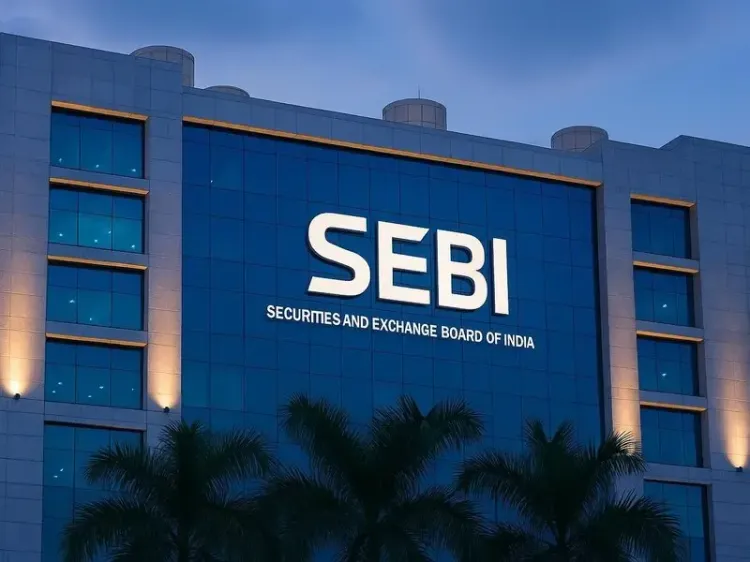
Capital markets regulator Securities and Exchange Board of India (SEBI) on Monday, 2 November 2026, permitted Real Estate Investment Trusts (REITs) and Infrastructure Investment Trusts (InvITs) to issue depository receipts (DRs) backed by their units and list them on exchanges within GIFT City's International Financial Services Centre (IFSC). The move creates an additional channel for attracting overseas capital into Indian investment trusts and is expected to raise their global visibility.
What the New Framework Covers
Through separate circulars, SEBI laid down a detailed regulatory framework governing the issuance and listing of DRs by REITs and InvITs. The permissible international exchanges for such listings are India International Exchange (India INX) and NSE International Exchange, both operating from GIFT City.
Depository receipts are foreign currency-denominated instruments issued by a foreign depository against underlying units held with a domestic custodian. By enabling their issuance, SEBI is effectively allowing international investors to hold exposure in Indian REITs and InvITs without directly participating in domestic markets.
Unitholder Approval and Eligibility Conditions
Under the new framework, any fresh issuance of DRs will require prior approval from unitholders, with at least 75 per cent of the votes cast supporting the proposal. This requirement, however, will not apply when a REIT or InvIT undertakes an initial offer of units and simultaneously issues DRs for listing on an international exchange. Subsequent DR issuances within an already approved limit will also not require fresh unitholder approval.
SEBI has prescribed eligibility conditions to safeguard market integrity. The investment trusts, their directors, promoters, partners, and unitholders transferring units must not be barred by SEBI from accessing the securities market, nor be classified as wilful defaulters or fugitive economic offenders. These restrictions will not apply where a previous SEBI debarment has expired before the filing of the relevant offer document.
Protections for Existing Unitholders
Where existing unitholders transfer their units for the purpose of issuing DRs, SEBI has mandated that all existing unitholders be provided an equal opportunity to participate in the offer. The regulator has also clarified that DR holders and their beneficial owners cannot be residents of India, with compliance responsibility resting on the DR holders and their beneficial owners themselves.
Merchant Banker Oversight
The framework requires the manager of a REIT or the investment manager of an InvIT to appoint a merchant banker to oversee compliance with all regulatory requirements relating to DR issuance. The merchant banker will also be responsible for submitting a compliance report to the board of the manager or investment manager, adding a layer of structured accountability to the process.
This comes amid a broader regulatory push to deepen GIFT City's role as India's primary international financial hub. As global institutional appetite for Indian infrastructure and real estate assets grows, the DR framework positions GIFT City exchanges as a credible gateway for foreign participation in these asset classes. The framework's implementation details and its uptake by listed REITs and InvITs will be closely watched in the coming months.
Point of View
But its real impact depends on whether global institutional investors find Indian real estate and infrastructure trusts compelling enough at current valuations. The 75% unitholder threshold is a meaningful safeguard, yet it also raises the bar for adoption — particularly for InvITs with concentrated unitholder bases. GIFT City has accumulated regulatory infrastructure faster than deal flow; this circular adds another instrument to its toolkit, but the test is execution and uptake. The restriction barring Indian residents from holding DRs is a clean firewall, though enforcement across layered beneficial ownership structures will require vigilance.
NationPress
2 Nov 2026
Frequently Asked Questions
What has SEBI allowed REITs and InvITs to do?
SEBI has permitted REITs and InvITs to issue depository receipts backed by their units and list them on international exchanges in GIFT City's IFSC. This creates a new pathway for overseas investors to gain exposure to Indian real estate and infrastructure assets.
Where can these depository receipts be listed?
The DRs can be listed on India International Exchange (India INX) and NSE International Exchange, both of which operate from GIFT City in Gujarat. These are the only permissible international exchanges under the new SEBI framework.
What is a depository receipt and how does it work here?
A depository receipt is a foreign currency-denominated instrument issued by a foreign depository against underlying units held with a domestic custodian. In this context, it allows international investors to hold an economic interest in Indian REITs or InvITs without directly investing in domestic markets.
What approval is needed before a REIT or InvIT can issue DRs?
Fresh DR issuances require prior unitholder approval, with at least 75% of votes cast in favour. This requirement does not apply during an initial offer where DRs are issued simultaneously, or for subsequent issuances within an already approved limit.
Can Indian residents invest in these depository receipts?
No. SEBI has clarified that DR holders and their beneficial owners cannot be residents of India. The responsibility for ensuring compliance with this restriction rests with the DR holders and their beneficial owners themselves.