Sensex rises 400 points as crude oil eases near $70 on US-Iran deal

Synopsis
A US-Iran peace deal that reopened the Strait of Hormuz sent crude oil tumbling nearly 2% on Thursday, and Indian markets wasted no time — Sensex jumped 400 points at the open as cheaper oil lifted sentiment across Realty, Auto, and broader mid-cap indices. The real question is whether an 'initial' deal holds.
Key Takeaways
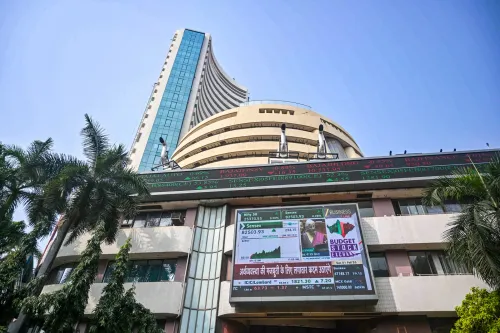
Sensex opened 400 points higher at 77,391.07 on 25 June , driven by falling crude oil prices.
Nifty50 gained over 100 points to open at 24,125.85 .
Brent crude fell ~ 2% to around $72/barrel ; WTI slipped 1.83% below $70/barrel after tankers resumed passage through the Strait of Hormuz .
Nifty Realty and Nifty Auto led sectoral gains; Nifty Metal was the lone major loser, down 0.56% .
India VIX fell nearly 3% to 13 , signalling reduced market anxiety.
Analysts peg key Nifty resistance at 24,090–24,150 and support at 23,900 .
Indian equity markets opened firmly in the green on Thursday, 25 June, with the BSE Sensex climbing 400 points or 0.52% to 77,391.07 and the Nifty50 gaining over 100 points or 0.43% to open at 24,125.85. The rally was driven by easing crude oil prices — Brent crude slipping roughly 2% to around $72 a barrel and WTI crude falling 1.83% to trade below the $70-per-barrel mark — after tankers resumed movement through the Strait of Hormuz following an initial peace deal between the US and Iran.
Broad-Based Sectoral Gains
Most sectoral indices traded in positive territory in early trade. Nifty Realty and Nifty Auto led gains, advancing up to 1%. Nifty PSU Bank, Nifty IT, Nifty Pharma, Nifty Oil & Gas, Nifty FMCG, and Nifty Private Bank indices also moved higher. The sole major laggard was Nifty Metal, which declined 0.56%.
Among individual stocks, Hindalco Industries, Eternal, Bharat Electronics, Power Grid Corporation, ONGC, Infosys, Titan, Tata Steel, JSW Steel, ITC, Asian Paints, and Coal India featured among the top early losers despite the broader market strength.
Mid- and Small-Cap Indices Outperform
Nifty Microcap 250 gained 0.87%, while Nifty Midcap 100 rose 0.63% and Nifty Midcap 50 advanced 0.61%. Nifty Smallcap 500 climbed 0.59%, suggesting broad risk appetite beyond large-cap names. The India VIX — the market's fear gauge — slipped nearly 3% to 13, pointing to easing volatility.
What Analysts Are Watching
According to analysts, the technical outlook remains constructive as long as the Nifty holds above the 24,000 mark. Immediate support is seen at 23,900, with a deeper cushion in the 23,790–23,750 zone if profit-booking picks up.
'On the upside, the 24,090–24,150 zone remains the key resistance area, and a decisive breakout above this supply zone could trigger fresh short-covering, paving the way for a move towards 24,300,' analysts noted. They added that supportive global cues and lower crude prices favour further gains, though traders should stay alert to expiry-related volatility and evolving global monetary policy signals.
The Crude-Hormuz Connection
The Strait of Hormuz is a critical chokepoint through which roughly 20% of global oil supply passes. Disruption fears had pushed crude higher in recent sessions amid US-Iran tensions. The resumption of tanker traffic following the initial peace agreement has provided immediate relief to oil-importing economies like India, which imports over 85% of its crude requirements. Lower oil prices ease India's import bill, support the rupee, and reduce input cost pressures across sectors from aviation to paints — a direct tailwind for equities.
With the US-Iran situation still described as an 'initial' deal, markets will remain sensitive to any reversal in geopolitical developments that could push crude back above the $75 threshold.
Point of View
And crude oil's behaviour through the Strait of Hormuz has historically whipsawed on diplomatic setbacks. India's structural dependence on imported crude — over 85% of requirements — means geopolitical risk in the Gulf is never fully priced out of domestic equities. The Nifty Metal underperformance amid a broad rally is also worth watching: it may reflect demand-side anxiety about a global slowdown even as supply-side oil fears ease. Traders riding this wave should note that expiry-week dynamics could amplify both the upside and any reversal.
NationPress
23 Sept 2026
Frequently Asked Questions
Why did the Sensex rise on 25 June 2025?
The Sensex rose 400 points to open at 77,391.07 on 25 June primarily because crude oil prices fell sharply after tankers resumed movement through the Strait of Hormuz following an initial US-Iran peace deal. Lower crude prices ease India's import bill and boost sentiment across oil-sensitive sectors.
How much did crude oil fall and why?
Brent crude declined about 2% to around $72 a barrel, while WTI fell 1.83% to trade below $70 per barrel. The drop followed the resumption of tanker traffic through the Strait of Hormuz after an initial peace agreement between the US and Iran eased supply-disruption fears.
Which sectors gained the most in early trade?
Nifty Realty and Nifty Auto led sectoral gains, advancing up to 1%. Nifty PSU Bank, Nifty IT, Nifty Pharma, Nifty Oil and Gas, Nifty FMCG, and Nifty Private Bank also advanced. Nifty Metal was the only major sectoral loser, declining 0.56%.
What are the key Nifty levels to watch?
Analysts place immediate support at 23,900, with a deeper support zone at 23,790–23,750. On the upside, 24,090–24,150 is the key resistance band; a breakout above it could push the index toward 24,300, according to market analysts.
What is India VIX and what does its fall signal?
India VIX is the National Stock Exchange's volatility index, often called the market's fear gauge. Its nearly 3% decline to 13 on Thursday signals that traders expect lower near-term market swings, reflecting improved sentiment following the easing of global geopolitical tensions.