Amit Shah pledges flood-free Bopal-Ghuma before 2029 polls, lays ₹382 crore project stones
Synopsis
Amit Shah made an unusually specific electoral promise at a public function in Ahmedabad — flood-free homes in Bopal-Ghuma before the 2029 polls — and backed it with the formal launch of a ₹23.95 crore stormwater pumping station. The pledge, tied to a real flood event of 21 inches last monsoon, converts a local civic grievance into a measurable 2029 benchmark.
Key Takeaways
Amit Shah pledged that Bopal-Ghuma homes would not flood under 25 inches of rainfall , with infrastructure in place before he seeks votes in 2029 .
A stormwater pumping station at Bopal-Ghuma costing ₹23.95 crore is among the projects formally launched.
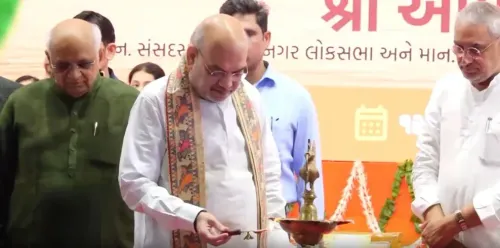
Foundation stones were laid for six projects worth a combined ₹382.08 crore at the Ahmedabad public function.
Water supply projects worth ₹285.26 crore were also inaugurated, including a 200 MLD Jaspur water treatment plant supplying treated Narmada water to western Ahmedabad.
Trunk main pipelines in Ranip, Chandlodia, Stadium , and Navrangpura will strengthen the city's water distribution network.
The previous monsoon saw 21 inches of rain in a single spell flood homes in Bopal-Ghuma, triggering the initial public outcry.
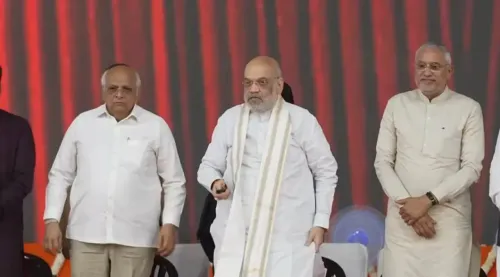
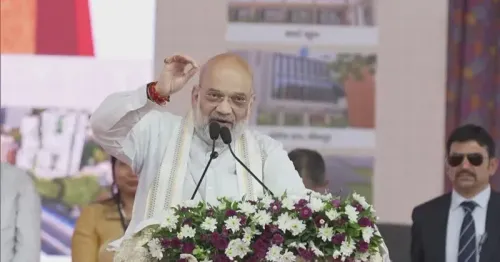
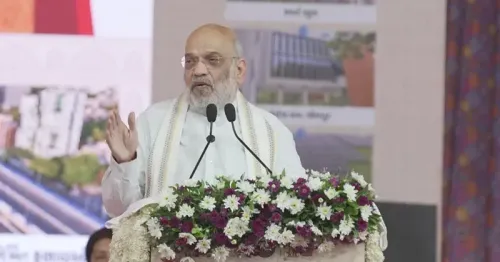
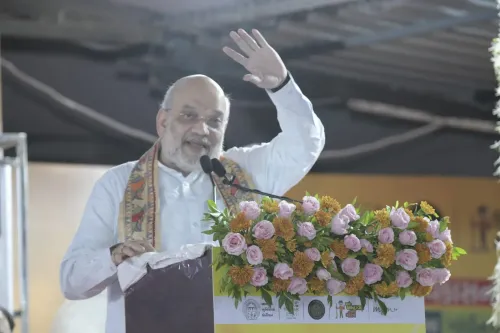
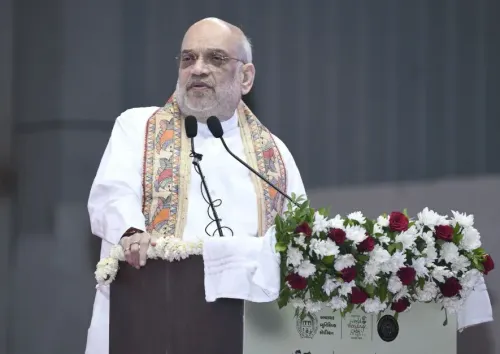
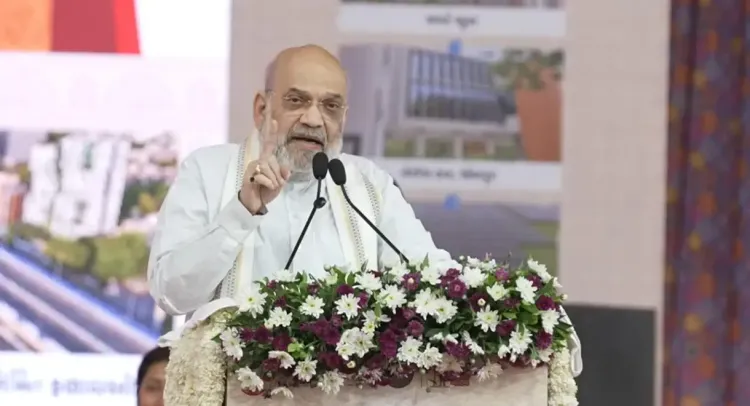
Union Home Minister Amit Shah on Monday, 9 November 2026, made a pointed public commitment to residents of Bopal-Ghuma in Ahmedabad — that their homes would not flood even under 25 inches of rainfall — and said the drainage infrastructure needed to fulfil that promise would be in place before he returned to seek their votes in 2029. The pledge came as Shah laid foundation stones for six infrastructure projects worth ₹382.08 crore, including a stormwater pumping station at Bopal-Ghuma.
The Flood Problem That Prompted the Promise
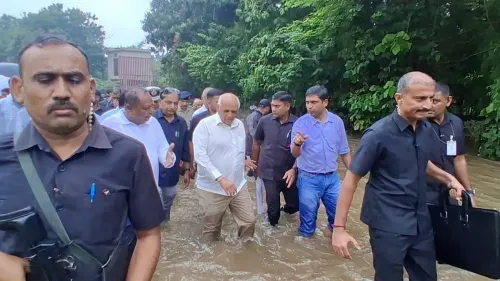
Shah recalled that during the previous monsoon season, Bopal-Ghuma received 21 inches of rainfall in a single spell, leaving several homes inundated and triggering widespread frustration among residents — particularly women. 'This monsoon, 21 inches of rain fell in a single spell. Water entered people's homes in Bopal-Ghuma, and the anger among women residents was considerable,' Shah said at the public function.
He acknowledged that residents had not openly confronted him during his visit after the flooding, but said their expressions made their concern unmistakable. The waterlogging in Bopal-Ghuma has been a recurring civic grievance as the western parts of Ahmedabad have expanded rapidly.
The Stormwater Station and Foundation Stones
The centrepiece of Shah's commitment is a stormwater pumping station at Bopal-Ghuma, estimated to cost ₹23.95 crore. This forms part of a package of six projects worth a combined ₹382.08 crore for which foundation stones were laid at the event. 'I had told them that before I came to seek votes again in 2029, I would put a system in place so that even if 25 inches of rain fell, water would not enter their homes. Work towards fulfilling that promise has begun today,' Shah said.
Water Supply Projects Also Inaugurated
Beyond drainage, the programme covered the inauguration of water infrastructure projects worth an estimated ₹285.26 crore. The marquee component is a 200 million litres per day (MLD) water treatment plant at Jaspur, designed to supply treated Narmada water to the growing western precincts of Ahmedabad. Shah noted that the plant's foundation stone was originally laid in 2002 and that it had since been completed and upgraded; the latest expansion further strengthens treatment capacity.
Other projects include trunk main pipelines across Ranip, Chandlodia, Stadium, and Navrangpura, aimed at bolstering the city's water distribution network. Shah described the quality of output from the Jaspur plant as comparable to mineral water, citing the modern treatment technology deployed.
Political Backdrop and What It Means for 2029
Shah's remarks carry an explicit electoral dimension. By tying a specific infrastructure deliverable — flood-free homes — to the 2029 general election cycle, he is effectively converting a civic complaint into a performance benchmark. This comes amid rapid urban growth in Ahmedabad that has strained drainage and water supply systems, making monsoon flooding a consistent flashpoint in western constituencies. The Bopal-Ghuma area, in particular, has seen substantial residential expansion in recent years, increasing the population exposed to waterlogging.
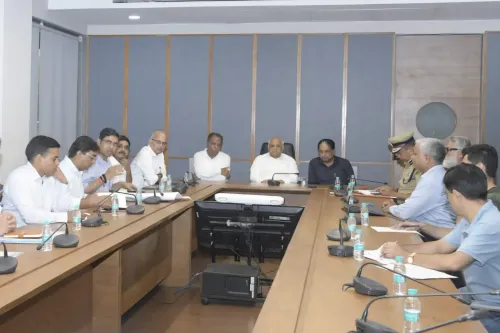
The government says it is working to integrate drainage and water management improvements with broader urban development projects across the city. With construction now formally initiated, residents and opposition parties alike will have a concrete timeline to hold the administration to account.
Point of View
A rainfall threshold, and an electoral deadline. That precision is a double-edged sword: it energises residents now but creates a verifiable accountability test by 2028, long before polling season. Ahmedabad's waterlogging problem is structural, rooted in rapid urbanisation that has outpaced civic planning, and a single pumping station — however well-designed — may not fully resolve it. If Bopal-Ghuma floods again before 2029, the promise becomes a liability; if it doesn't, it becomes a template for performance-linked political messaging in urban India.
NationPress
9 Nov 2026
Frequently Asked Questions
What promise did Amit Shah make to Bopal-Ghuma residents?
Shah pledged that homes in Bopal-Ghuma, Ahmedabad, would not flood even under 25 inches of rainfall, and that the necessary drainage infrastructure would be in place before he sought votes in the 2029 general election. The commitment was made at a public function on 9 November 2026 where he also laid foundation stones for related infrastructure projects.
What caused the flooding in Bopal-Ghuma that Shah referred to?
During the previous monsoon, Bopal-Ghuma received 21 inches of rainfall in a single spell, inundating several homes and generating significant anger among residents, particularly women. Shah acknowledged the incident publicly and cited it as the reason for his pledge.
How much is the Bopal-Ghuma stormwater pumping station expected to cost?
The stormwater pumping station at Bopal-Ghuma is estimated to cost ₹23.95 crore. It is one of six projects worth a combined ₹382.08 crore for which foundation stones were laid at the event.
What water supply projects were inaugurated alongside the drainage works?
Water infrastructure projects worth ₹285.26 crore were inaugurated, including a 200 MLD water treatment plant at Jaspur that supplies treated Narmada water to western Ahmedabad. Trunk main pipelines in Ranip, Chandlodia, Stadium, and Navrangpura were also part of the package.
Why does the Jaspur water treatment plant matter for Ahmedabad?
The Jaspur plant serves the rapidly growing western parts of Ahmedabad, where rising population has increased pressure on the existing water supply network. Shah noted that its foundation stone was first laid in 2002 and that the latest expansion further upgrades its treatment capacity, with output described as comparable in quality to mineral water.