Punjab farm fires hit 4,459 this season; 1,152 on Diwali alone — highest single-day spike
Synopsis
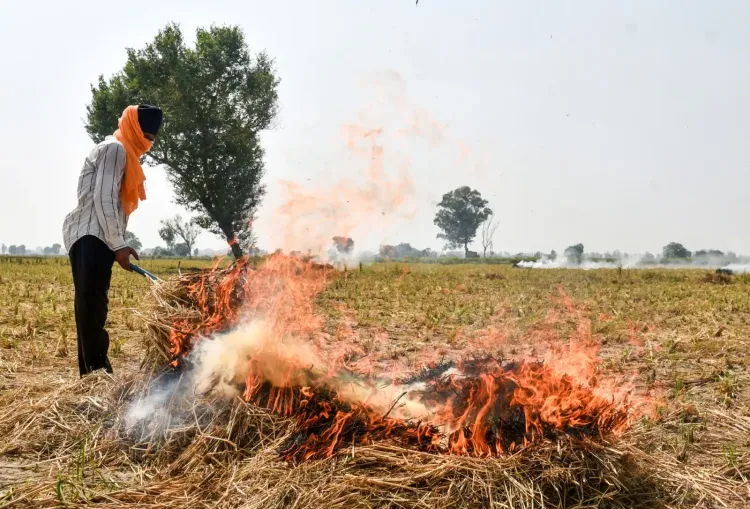
On Diwali night, Punjab recorded 1,152 farm fires in a single day — the worst 24-hour spike of the season — taking the season total to 4,459. With 884 FIRs filed, over ₹62 lakh in fines levied, and 1,103 show-cause notices issued to officials, the surge raises pointed questions about whether the enforcement machinery is actually working.
Key Takeaways
Punjab recorded 1,152 farm fires on 8 November 2026 (Diwali) — the single highest daily count this paddy harvesting season.
The cumulative total since 15 September reached 4,459 , a 34.8 per cent jump in just 24 hours.
Tarn Taran leads district-wise with 654 incidents; Ferozepur (592) and Sangrur (488) follow.
Statewide enforcement: 884 FIRs , ₹62.55 lakh in fines levied (only ₹32.60 lakh recovered), and red entries for 1,017 farmers .
1,103 show-cause notices issued to monitoring officials; prosecution initiated against 18 supervisory officers under the CAQM Act, but zero charge sheets and zero suspensions recorded.
As of 8 November , 91.40 per cent of Punjab's 32.87 lakh hectares of paddy area had been harvested.
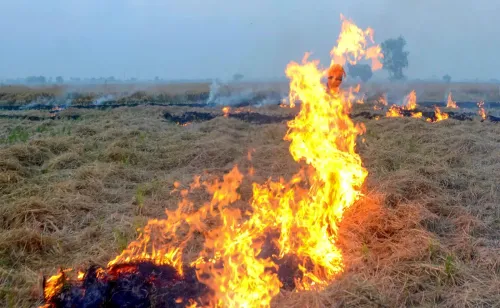
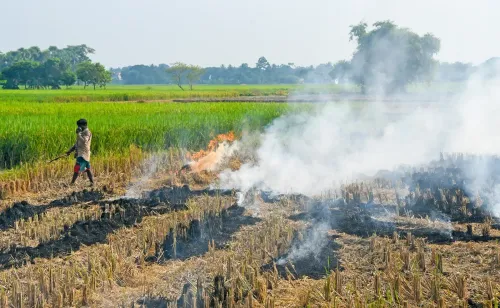
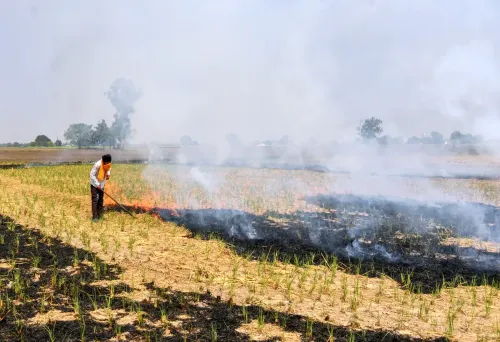
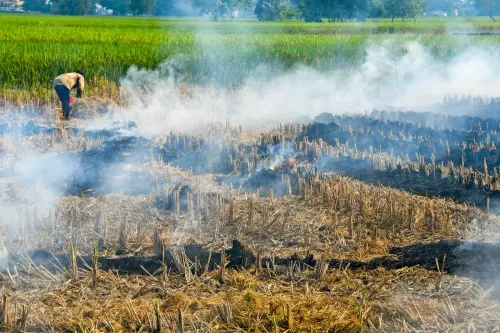
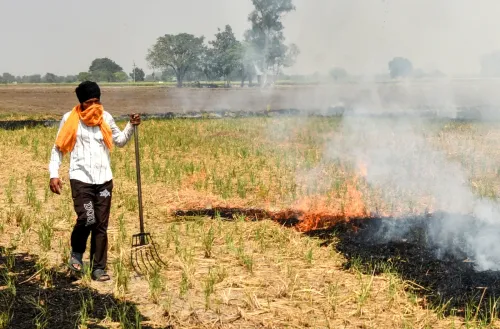
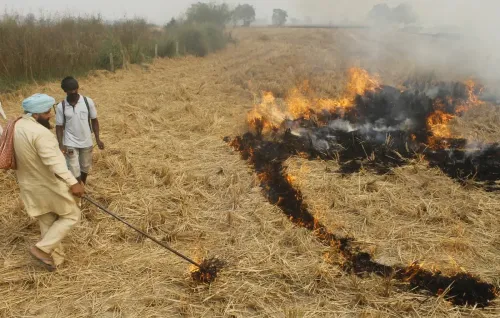
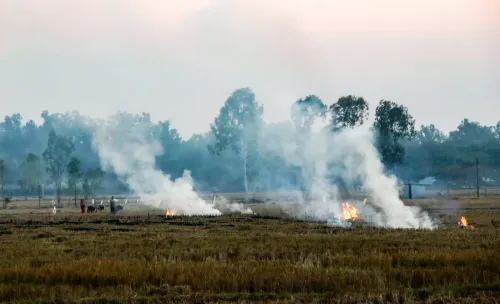
Punjab recorded 1,152 fresh farm fire incidents on 8 November 2026 — Diwali — marking the highest single-day surge of the ongoing paddy harvesting season and pushing the state's cumulative stubble-burning count to 4,459 since monitoring began on 15 September, according to data from the Punjab Pollution Control Board (PPCB) and the Commission for Air Quality Management (CAQM). The single-day jump represented a 34.8 per cent rise in cumulative incidents in just 24 hours.
How the numbers escalated
The scale of the surge becomes stark when tracked day by day. Punjab's cumulative farm fire count stood at 2,787 as of 5 November, climbed to 3,144 by 6 November, and reached 3,307 by 7 November. The addition of 1,152 incidents on Diwali day alone pushed the total to 4,459 — meaning 1,672 new fires were recorded in just three days, underscoring what authorities describe as a sudden deterioration in the situation despite ongoing enforcement.
District-wise breakdown
Tarn Taran reported the highest number of farm fires in the state at 654, followed by Ferozepur at 592 and Sangrur at 488. Bathinda recorded 406 incidents, while Patiala logged 288. Other districts with notable counts include Amritsar (247), Barnala (230), Ludhiana (193), Moga (188), and Faridkot (170). In Patiala district specifically, cases jumped from 196 on 7 November to 288 on 8 November — an addition of 92 incidents in a single day. By that date, 96 per cent of the district's total paddy area of 2.314 lakh hectares had already been harvested.
Enforcement action on the ground
Statewide, 2,998 farms had been inspected across Punjab as of 8 November, with crop residue burning confirmed at 1,310 locations on the spot and burning marks detected in 122 non-AFL areas. Environmental compensation was imposed in 1,228 cases, with a total fine of ₹62.55 lakh levied; of this, ₹32.60 lakh has been recovered, while ₹29.95 lakh remains outstanding. Authorities have registered 884 FIRs and entered red marks in the revenue records of 1,017 farmers across the state.
In Patiala district, 157 farms were inspected, burning was confirmed at 94 locations, environmental compensation was imposed in 68 cases amounting to ₹3.45 lakh — of which ₹1.25 lakh has been recovered — and 77 FIRs were registered. Red entries were made in the revenue records of 33 farmers.
Officials also under scrutiny
The PPCB report noted that enforcement accountability has extended to monitoring officials. As many as 1,103 show-cause notices have been issued to nodal and supervisory officers for lapses in monitoring responsibilities. Prosecution proceedings have been initiated against 18 supervisory officers under Section 14 of the CAQM Act. However, the report recorded zero charge sheets and zero suspension orders as of the reporting date — a gap that critics argue signals limited deterrence at the official level.
Where the season stands
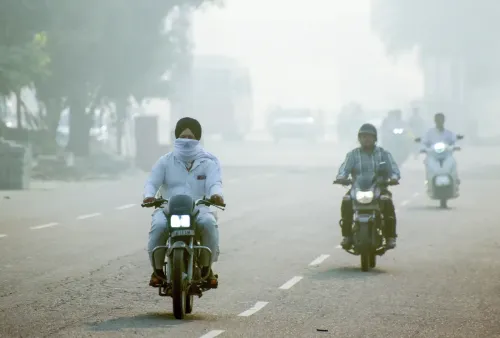
As of 8 November, 91.40 per cent of Punjab's total paddy area — spread across 32.87 lakh hectares — had been harvested, suggesting the season is nearing its close. Yet the Diwali-day spike has raised fresh questions about whether financial penalties, FIRs, and awareness campaigns are sufficient to shift farmer behaviour during the narrow post-harvest window, particularly when open burning coincides with festival nights that already elevate pollution loads. With harvest completion imminent, the coming days will determine whether this spike was a seasonal outlier or a sign of deeper structural gaps in crop residue management policy.
Point of View
Over ₹62 lakh in environmental compensation, and 1,103 notices to officials, 1,152 fires broke out on a single night. The zero-suspension, zero-charge-sheet row in the PPCB enforcement table is the most damning detail: accountability stops at the farmer and rarely reaches the official. Punjab's stubble-burning problem is as much a governance-incentive problem as an agrarian one — farmers still find open burning faster and cheaper than the alternatives the state has promised but not yet made universally accessible. Until the economics of residue management change and official accountability is real, enforcement theatre will keep repeating itself each October–November.
NationPress
9 Nov 2026
Frequently Asked Questions
How many farm fires were recorded in Punjab on Diwali 2026?
Punjab recorded 1,152 fresh farm fire incidents on 8 November 2026 — Diwali — the highest single-day count of the current paddy harvesting season, according to PPCB and CAQM data. This pushed the season's cumulative total to 4,459 since monitoring began on 15 September.
Which districts in Punjab have the most stubble-burning cases?
Tarn Taran tops the list with 654 farm fire incidents, followed by Ferozepur at 592 and Sangrur at 488. Bathinda has recorded 406 cases and Patiala 288, according to district-wise data from the PPCB report.
What enforcement action has Punjab taken against stubble burning?
As of 8 November, Punjab had filed 884 FIRs, imposed environmental compensation in 1,228 cases totalling ₹62.55 lakh, and made red entries in the revenue records of 1,017 farmers. Additionally, 1,103 show-cause notices were issued to monitoring officials, and prosecution proceedings were initiated against 18 supervisory officers under the CAQM Act.
Why did farm fires spike on Diwali despite ongoing enforcement?
Authorities have not provided a specific explanation, but the overlap of the festival with the post-harvest window — when farmers face time pressure to clear fields before the next crop cycle — is widely cited as a key factor. Critics argue that financial penalties remain too low and alternatives to burning too inaccessible to change farmer behaviour during this narrow period.
How much of Punjab's paddy harvest was complete by 8 November 2026?
According to the PPCB report, 91.40 per cent of Punjab's total paddy area — spread across 32.87 lakh hectares — had been harvested by 8 November 2026, indicating the season is nearing completion.