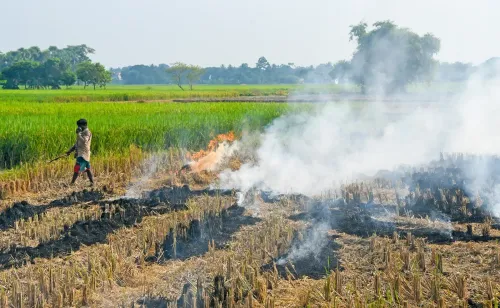
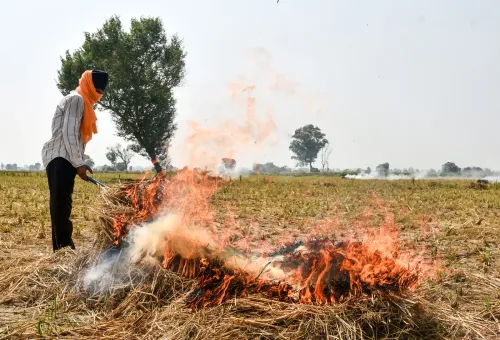
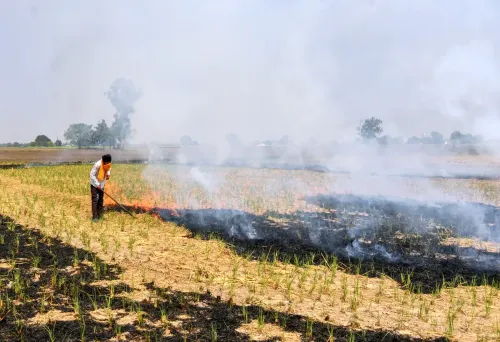
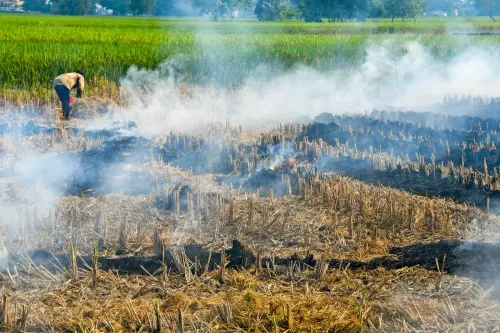
Punjab stubble burning: 3,307 cases logged, ₹60.60 lakh in fines by Nov 7
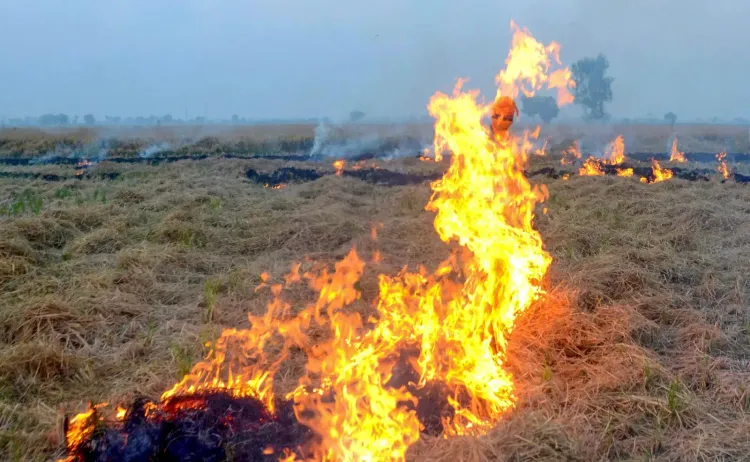
Synopsis
Despite repeat warnings and mounting penalties, Punjab has logged 3,307 stubble burning incidents through 7 November — with Tarn Taran alone accounting for 623 cases. Only ₹32.50 lakh of a ₹60.60 lakh fine tally has been recovered, raising sharp questions about whether financial penalties are enough to curb a crisis directly feeding Delhi-NCR's annual air quality emergency.
Key Takeaways
Punjab recorded 3,307 stubble burning incidents through 7 November , per the PPCB report.
Fines of ₹60.60 lakh imposed as environmental compensation; only ₹32.50 lakh recovered so far.
870 FIRs registered; red entries made in 1,004 cases; 1,102 warning notices issued statewide.
Tarn Taran leads with 623 violations, followed by Ferozepur (435) , Sangrur (294) , Bathinda (274) , and Amritsar (235) .
Patiala district registered 77 FIRs and confirmed burning at 94 of 157 inspected sites.
Incidents continue despite enforcement, worsening an already deteriorating Delhi-NCR AQI .
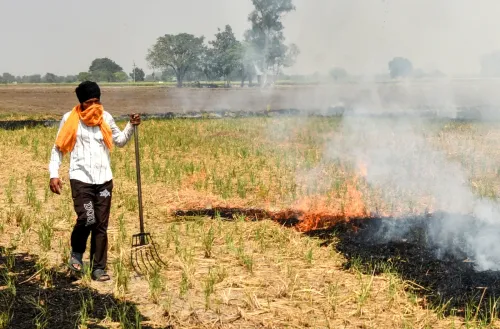
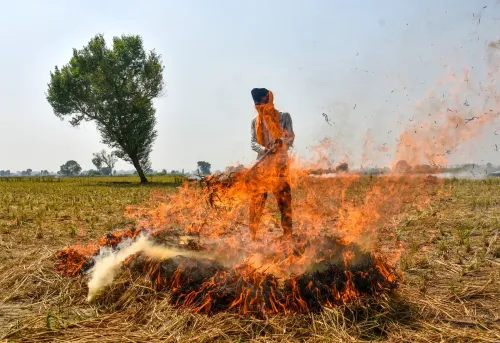
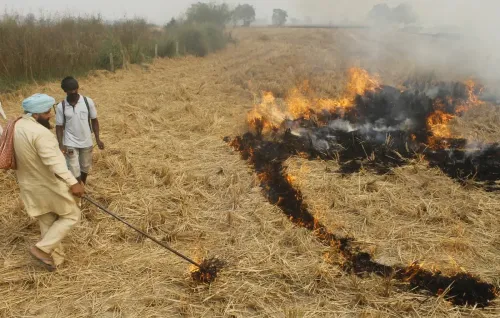
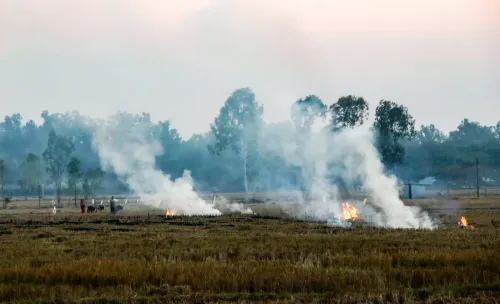
Punjab has recorded 3,307 incidents of stubble burning across the state through 7 November, according to a report by the Punjab Pollution Control Board (PPCB), even as the Delhi-NCR region grapples with a sharply deteriorating Air Quality Index (AQI) and worsening respiratory conditions. Environmental compensation fines totalling ₹60.60 lakh have been imposed, of which ₹32.50 lakh has been recovered so far.
Scale of Violations Across Punjab
Of the 3,307 stubble burning incidents reported, 2,903 sites were physically inspected by authorities, and crop residue burning was confirmed at 1,275 locations. In addition to financial penalties, 870 FIRs have been registered and 'red entries' — permanent adverse notations on land records — have been made in 1,004 cases. Authorities have also issued 1,102 warning notices across the state.
The numbers underscore a persistent gap between enforcement and compliance, with incidents continuing despite multiple warnings from both state agencies and the pollution control board.
Tarn Taran Leads in Alleged Violations
District-wise, Tarn Taran recorded the highest number of incidents at 623, according to the PPCB report. Ferozepur followed with 435 cases, Sangrur with 294, Bathinda with 274, and Amritsar with 235. The geographic spread signals that the problem is not confined to any single zone but is systemic across Punjab's agricultural belt.
Patiala: A Stubble Burning Hotspot
Patiala district has emerged as one of the most significant enforcement challenges, with 196 stubble burning incidents recorded so far. Of these, 157 sites were inspected and burning was confirmed at 94 locations. Fines of ₹3.45 lakh have been levied under the environmental compensation provision, though only ₹1.25 lakh has been collected. Authorities registered 77 FIRs and issued 185 warning notices in the district, while 33 red entries were made on land records.
Why This Matters: The Delhi-NCR Link
Stubble burning in Punjab is widely identified by environmental researchers as a significant contributor to the seasonal air quality crisis in Delhi-NCR, particularly between October and November when post-harvest crop residue fires are most frequent. This year's figures arrive against a backdrop of already-declining AQI readings in the national capital region, heightening public health concerns. Critics argue that financial penalties alone — particularly when recovery rates remain low — are insufficient to change farmer behaviour at scale without viable alternatives for residue management.
The state administration has initiated a series of measures to curb burning incidents, but according to the PPCB report, the violations continue to pose a significant challenge and risk deteriorating conditions further as the season progresses.
Point of View
As currently structured, is not a credible deterrent — farmers appear willing to absorb or ignore the penalty rather than change practice. The red-entry mechanism on land records is a stronger lever, yet it has been applied in only 1,004 of 3,307 reported cases. What the PPCB data does not answer is why three seasons of escalating enforcement have not bent the trend line: the absence of affordable, accessible residue-management alternatives — in-situ machinery, crop insurance tied to no-burn compliance — means the cycle will repeat in 2027 unless policy moves beyond penalties.
NationPress
8 Nov 2026
Frequently Asked Questions
How many stubble burning cases have been recorded in Punjab in 2026?
A total of 3,307 stubble burning incidents were recorded across Punjab through 7 November 2026, according to the Punjab Pollution Control Board. Of these, burning was confirmed at 1,275 of the 2,903 sites inspected.
What penalties have been imposed for stubble burning in Punjab?
Environmental compensation fines totalling ₹60.60 lakh have been imposed across Punjab for stubble burning violations. Of this, ₹32.50 lakh has been recovered so far, with 870 FIRs registered and 1,004 'red entries' made on land records.
Which district in Punjab has the most stubble burning cases?
Tarn Taran district leads with 623 recorded incidents, the highest in the state. Ferozepur follows with 435, Sangrur with 294, Bathinda with 274, and Amritsar with 235.
How does Punjab's stubble burning affect Delhi-NCR's air quality?
Agricultural residue fires in Punjab are a widely documented contributor to the seasonal air quality crisis in Delhi-NCR, particularly from October to November. This year's incidents coincide with already deteriorating AQI readings in the national capital region, compounding public health risks.
What action has been taken in Patiala district specifically?
Patiala district recorded 196 stubble burning incidents, with burning confirmed at 94 locations. Authorities imposed fines of ₹3.45 lakh, registered 77 FIRs, made 33 red entries, and issued 185 warning notices; ₹1.25 lakh of the fines has been collected.