Punjab stubble burning: 2,787 cases, ₹46.10 lakh fines, 710 FIRs this season
Synopsis
Despite ₹46.10 lakh in fines, 710 FIRs, and red entries in nearly 830 revenue records, Punjab has already logged 2,787 stubble-burning incidents this season — with 87.60% of paddy harvested and the remaining crop yet to be cleared. The enforcement numbers are significant, but recovery of less than 54% of levied fines signals that penalties alone are not closing the compliance gap.
Key Takeaways
Punjab has recorded 2,787 stubble-burning incidents this season as of 5 November 2026 .
The PPCB imposed ₹46.10 lakh in environmental compensation across 914 cases; only ₹24.85 lakh has been recovered.
710 FIRs were registered under Section 223 of the Bharatiya Nyaya Sanhita (BNS) .
Tarn Taran district led with 586 incidents; Ferozepur (361), Sangrur (240), Amritsar (221), and Bathinda (216) followed.
Red entries were made in revenue records in 829 cases; prosecution initiated against officials in 18 cases.
87.60% of Punjab's 32.87 lakh hectares of paddy had been harvested by 5 November .
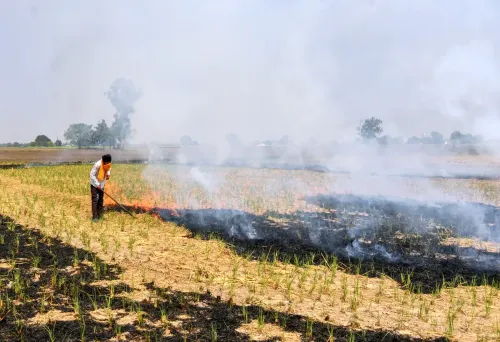
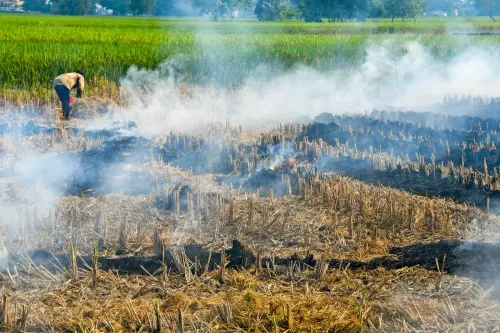
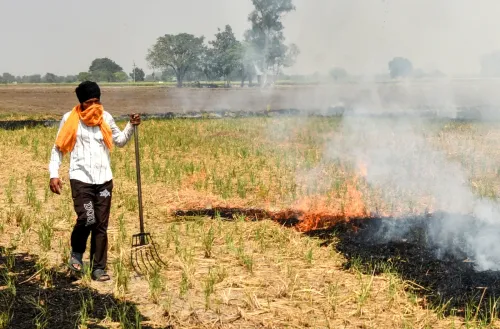
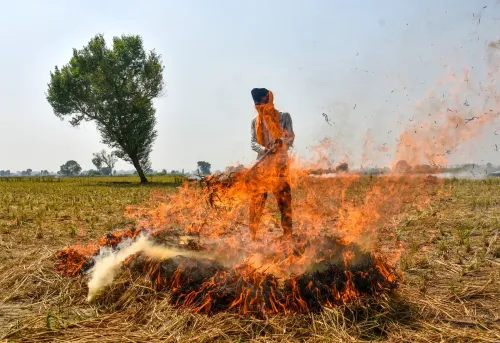
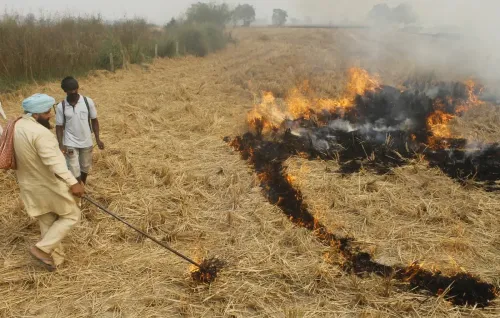
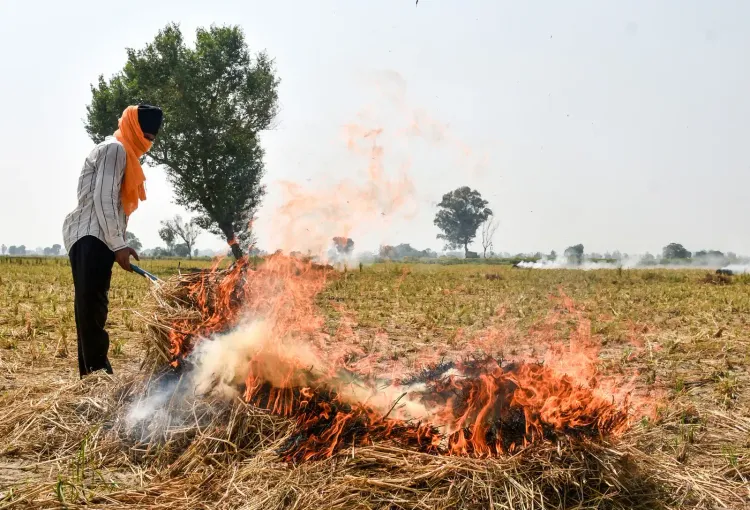
Punjab has logged 2,787 stubble-burning incidents this season, with the Punjab Pollution Control Board (PPCB) imposing environmental compensation of ₹46.10 lakh and registering 710 FIRs, according to an enforcement report covering action up to 5 November 2026. The figures underline the scale of the annual agricultural residue crisis that chokes air quality across north India each winter.
Key Enforcement Numbers
Field inspections were conducted at 2,194 of the reported locations, with stubble burning confirmed at 994 sites. Environmental compensation was levied in 914 cases, totalling ₹46.10 lakh — of which ₹24.85 lakh has been recovered so far. Beyond monetary penalties, authorities made red entries in revenue records in 829 cases and issued 786 warning or show-cause notices across the state.
FIRs Under New Criminal Code
All 710 FIRs have been registered under Section 223 of the Bharatiya Nyaya Sanhita (BNS), signalling that authorities are deploying the new criminal framework — which replaced the Indian Penal Code — to tighten accountability. Additionally, prosecution proceedings have been initiated against concerned officials in 18 cases, suggesting enforcement action is extending beyond farmers to administrative personnel.
District-Wise Breakdown
Tarn Taran recorded the highest number of incidents statewide at 586, with burning confirmed at 294 locations after inspections at 553 sites. Ferozepur followed with 361 incidents and confirmed burning at 163 locations. Sangrur reported 240 incidents (confirmed at 49 locations), Amritsar logged 221, and Bathinda recorded 216 cases.
In Patiala district, 156 incidents were reported; field inspections covered 103 locations and confirmed burning at 59. Fines totalling ₹2.15 lakh were imposed in 42 Patiala cases, with ₹70,000 recovered. The district saw 27 FIRs, 16 red entries in revenue records, and 25 warning notices issued.
Harvesting Progress and Context
The PPCB report noted that total paddy cultivation in Punjab covers 32.87 lakh hectares. By 5 November, harvesting had been completed on 87.60% of the cultivated area, meaning the remaining crop residue could sustain or increase the incident count in coming days. Stubble burning — driven by the tight window between paddy harvest and wheat sowing — remains a deeply entrenched practice despite years of government subsidies for alternative machinery and an increasingly stringent penalty regime.
Enforcement Gaps Persist
Notably, the gap between reported incidents (2,787) and confirmed burning locations (994) reflects both the challenges of on-ground verification and the possibility of under-reporting. The recovery shortfall — only ₹24.85 lakh of ₹46.10 lakh imposed — also points to enforcement bottlenecks. Critics argue that until alternative crop management becomes economically viable at scale, penal action alone will not decisively curb the practice. How Punjab handles the final stretch of the harvest season will determine whether this year's total incident count improves on or worsens prior years.
Point of View
Hundreds of FIRs, nearly ₹46 lakh in fines — and yet the fires keep burning. The fine recovery rate of under 54% exposes a classic enforcement paradox: penalties imposed on paper but difficult to collect from smallholders under harvest pressure. What is quietly significant is the initiation of prosecution against officials in 18 cases, suggesting the government is trying to push accountability up the chain. But until the economic incentive structure changes — making in-situ management or mechanised residue handling cheaper than burning — enforcement will remain an annual ritual rather than a structural fix.
NationPress
6 Nov 2026
Frequently Asked Questions
How many stubble-burning cases have been recorded in Punjab this season?
Punjab has recorded 2,787 stubble-burning incidents as of 5 November 2026, according to the Punjab Pollution Control Board (PPCB). Field inspections covered 2,194 locations, with burning confirmed at 994 sites.
What penalties have been imposed for stubble burning in Punjab?
Environmental compensation of ₹46.10 lakh has been imposed in 914 cases, of which ₹24.85 lakh has been recovered. Additionally, 710 FIRs have been filed under Section 223 of the Bharatiya Nyaya Sanhita (BNS), and red entries have been made in revenue records in 829 cases.
Which district in Punjab has the most stubble-burning incidents?
Tarn Taran tops the district-wise tally with 586 reported incidents, with burning confirmed at 294 locations. Ferozepur (361 incidents), Sangrur (240), Amritsar (221), and Bathinda (216) follow.
Why does stubble burning continue despite enforcement action?
Stubble burning persists because of the narrow window between paddy harvest and wheat sowing, which makes in-situ crop residue management economically and logistically difficult for many farmers. Critics argue that without affordable alternatives at scale, penal action alone is insufficient to curb the practice.
What is the current status of paddy harvesting in Punjab?
By 5 November, 87.60% of Punjab's 32.87 lakh hectares under paddy cultivation had been harvested. The remaining unharvested area means incidents could continue to rise before the season ends.