Punjab stubble burning: 510 incidents, ₹9.30 lakh fines as of 22 October
Synopsis
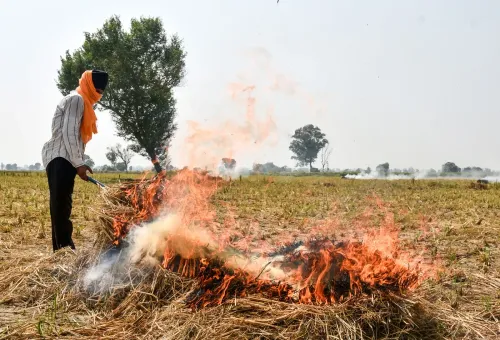
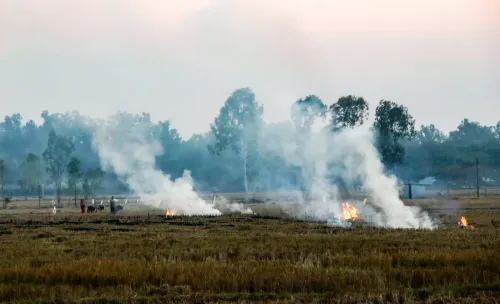
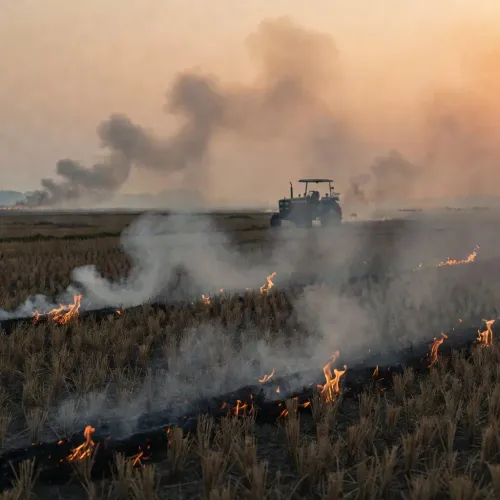
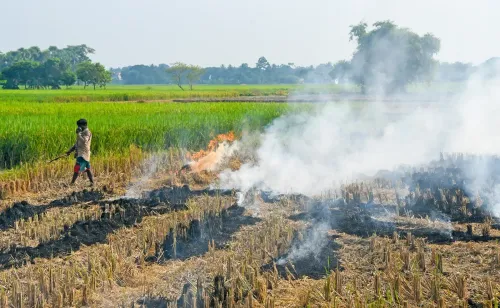
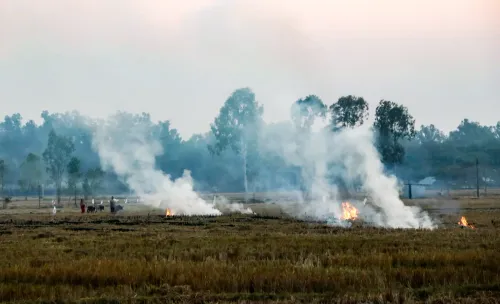
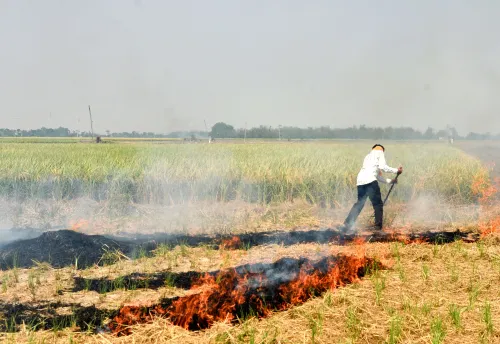
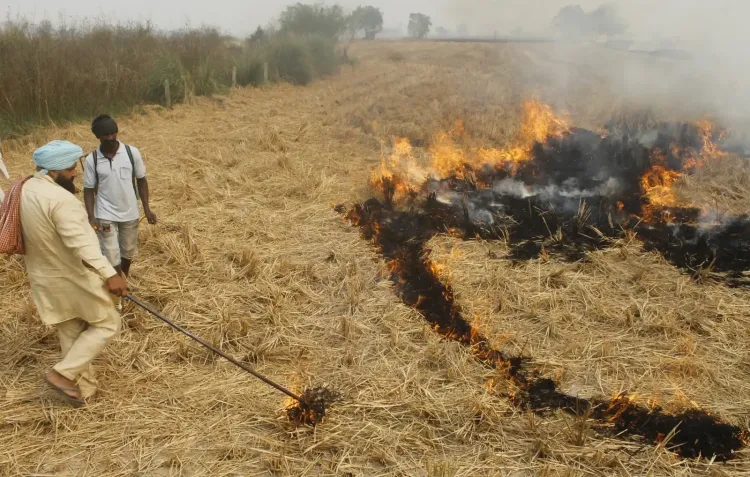
Punjab has logged 510 stubble burning incidents in less than three weeks into October, with Tarn Taran alone accounting for nearly half. Despite ₹9.30 lakh in fines and FIRs in four cases, only about half the penalties have been recovered — and not a single officer has faced a charge sheet or suspension, even as northern India braces for its worst air quality months.
Key Takeaways
The Punjab Pollution Control Board (PPCB) recorded 510 stubble burning incidents as of 22 October 2026 .
Environmental compensation of ₹9.30 lakh was imposed; only ₹4.93 lakh has been recovered.
Tarn Taran reported the highest incidents at 247 , followed by Amritsar at 136 .
FIRs filed in four cases ; 166 red entries recorded against violators.
Warning notices issued to 227 nodal and supervisory officers ; no charge sheets or suspensions as yet.
Burning confirmed at 195 locations ; district-wise figures in the report differ from the state aggregate, warranting verification.
Punjab recorded 510 stubble burning incidents as of 22 October 2026, with the Punjab Pollution Control Board (PPCB) confirming enforcement action in a majority of cases, according to its latest report. Physical inspections have been carried out in 467 of the reported cases, while environmental compensation has been imposed in 184 cases.
Key Enforcement Numbers
The PPCB report states that stubble burning was confirmed at 195 locations across the state. Environmental compensation totalling ₹9.30 lakh has been levied so far, of which ₹4.93 lakh has been recovered — indicating that roughly half the assessed penalties remain outstanding.
In addition to financial penalties, warning notices have been issued to 227 nodal and supervisory officers. First Information Reports (FIRs) have been registered in four cases, and 166 red entries have been recorded against violators. Notably, no departmental charge sheets have been issued and no suspension orders have been passed against any officer as of the date of the report.
District-Wise Breakdown
Tarn Taran recorded the highest number of incidents at 247, of which 229 were inspected and environmental compensation was imposed in 97 cases. Amritsar followed with 136 incidents, 127 inspections, and fines in 51 cases.
Other districts also reported violations: Gurdaspur logged 32 cases, Ferozepur recorded 26, Kapurthala reported 18, and Fazilka and Jalandhar each had nine incidents. Patiala reported five cases, with four inspected and environmental compensation imposed in three. The PPCB report itself notes that the district-wise figures appear to differ from the aggregate state tally, warranting independent verification of the data.
The Persistent Challenge
Stubble burning in Punjab and neighbouring states remains one of the primary contributors to the severe air quality deterioration that envelops northern India — including Delhi — each post-harvest season. This comes amid sustained pressure from the Supreme Court and the Commission for Air Quality Management in NCR and Adjoining Areas (CAQM) on Punjab, Haryana, and Uttar Pradesh to enforce field-fire bans more rigorously.
Despite inspections, financial penalties, and officer accountability measures, the scale of violations — 510 incidents within the first three weeks of October alone — underscores how deeply entrenched the practice remains. Farmers have long argued that the compressed harvesting window between the kharif and rabi seasons leaves inadequate time and resources for alternative stubble management.
What Happens Next
The state administration has indicated it will continue monitoring agricultural fields and escalating action against violations. However, the gap between incidents reported and compensation recovered suggests enforcement capacity remains stretched. With the peak stubble burning season typically running through November, the numbers are expected to rise further before any seasonal decline.
Point of View
Yet no charge sheets and no suspensions. Until enforcement carries genuine career consequences for officials who under-perform, the annual stubble burning season will continue to function as a ritual of paperwork rather than deterrence. Punjab's numbers also matter well beyond the state — every field fire here is a public health event for tens of millions of people downwind in Delhi and the NCR.
NationPress
23 Oct 2026
Frequently Asked Questions
How many stubble burning incidents has Punjab reported in October 2026?
The Punjab Pollution Control Board recorded 510 stubble burning incidents across the state as of 22 October 2026. Physical inspections were conducted in 467 of those cases.
How much environmental compensation has been collected for stubble burning in Punjab?
The PPCB imposed a total of ₹9.30 lakh in environmental compensation, of which ₹4.93 lakh has been recovered so far. The remaining amount is yet to be collected from violators.
Which Punjab districts reported the most stubble burning cases?
Tarn Taran led with 247 incidents, followed by Amritsar with 136. Other districts — Gurdaspur, Ferozepur, Kapurthala, Fazilka, and Jalandhar — each reported between 9 and 32 cases.
Have any officers been suspended over stubble burning failures in Punjab?
No. While warning notices were issued to 227 nodal and supervisory officers, the PPCB report confirms that no departmental charge sheets have been issued and no suspension orders have been passed as of the report date.
Why does stubble burning persist despite enforcement action in Punjab?
Farmers cite the narrow window between the kharif harvest and rabi sowing season, which leaves little time or money for alternatives such as happy seeders or bio-decomposers. Structural factors — land holdings, labour costs, and subsidy access — continue to make burning the quickest option for many smallholders.