CAQM eyes stubble-to-industry push to end crop burning in Punjab, Haryana
Synopsis
India's air quality regulator is pushing a bold pivot: instead of simply penalising farmers for burning stubble, CAQM wants to make crop residue worth money — through pellet plants, thermal power use and CBG production. The catch: fire counts have spiked in Tarn Taran and Amritsar even as overall numbers improve, signalling that the industrial ecosystem isn't yet ready to absorb the harvest-season crunch.
Key Takeaways
CAQM Member Secretary Tarun Kumar Pithode reviewed air quality compliance with Punjab and Haryana governments on 22 October 2026 .
Fire counts in Tarn Taran and Amritsar have risen considerably this season, described as a 'matter of serious concern.' Haryana's industrial sector must comply with a 50-microgram particulate norm from 1 November .
CAQM's strategy centres on routing stubble into pellet plants , thermal power stations , and CBG production.
Subsidised balers and CRM machines are already available to farmers in both states; CAQM stressed effective implementation.
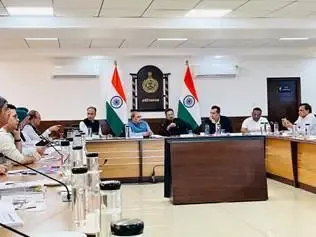
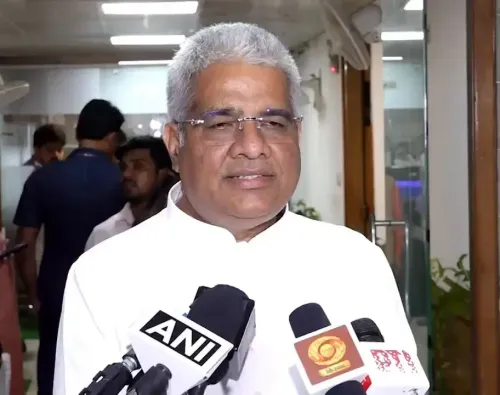
The Commission for Air Quality Management (CAQM) in NCR and adjoining areas on Thursday, 22 October declared that its core objective is to transform crop residue into an 'economic asset' for farmers — by channelling stubble into industrial use rather than letting it go up in smoke. The statement came from CAQM Member Secretary Tarun Kumar Pithode after a review meeting with the governments of Punjab and Haryana.
Key Developments from the Review Meeting
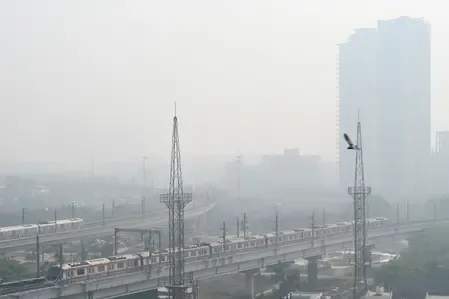
The meeting covered a wide range of air quality measures across both states. For Haryana, directions issued by Chief Minister Nayab Saini were reviewed, including a mandate that the industrial sector comply with the prescribed particulate norm of 50 micrograms from 1 November. The vehicular sector was also examined, covering transition plans for trucks and bus replacement schemes.
Road development and mechanised sweeping were assessed as well — specifically how many cleaning machines had been procured, deployed, and put to effective use. Pithode confirmed that further directions have been issued to the state.
Punjab Fire Counts: Improvement Overall, Hotspots Remain
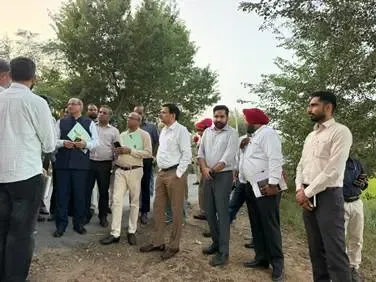
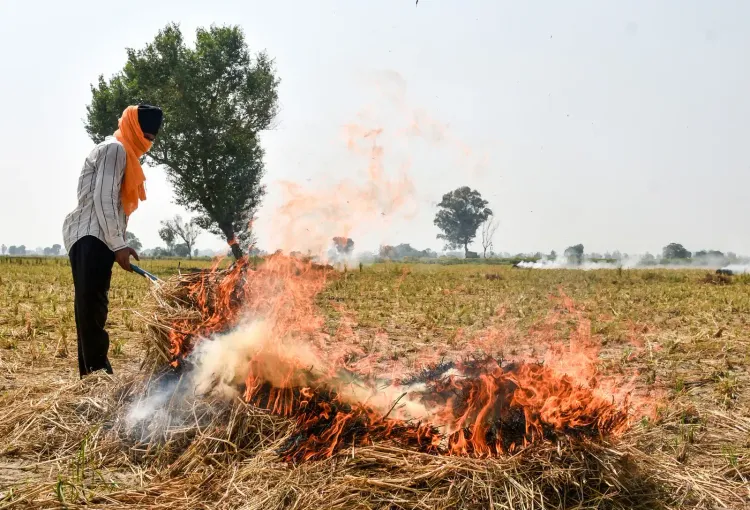
For Punjab, the review focused squarely on stubble management, conducted district-wise with all Deputy Commissioners. While the overall picture has improved relative to previous years, Pithode flagged a sharp rise in fire counts in Tarn Taran and Amritsar as a 'matter of serious concern.'
'Stubble needs to be managed in such a way that there is no need for these fire counts to rise at all,' he said. He also acknowledged a data-gap challenge: one dataset tracks burnt-area assessment continuously, while another records fire counts — and fires that occur outside detection windows go unregistered. 'The truth lies somewhere between these datasets,' he noted.
The Industrial Ecosystem Approach
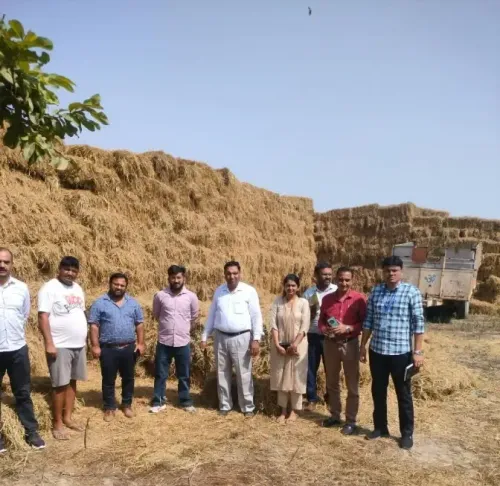
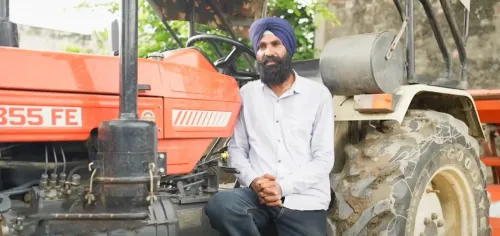
At the centre of CAQM's strategy is building a supply chain that absorbs the entire volume of crop residue. Pithode pointed to pellet-manufacturing plants, use in thermal power plants, and production of Compressed Bio-Gas (CBG) as viable industrial outlets. He said that if balers and Crop Residue Management (CRM) machines are made available in sufficient numbers, the need to burn stubble disappears entirely.
'Our emphasis today was entirely on how stubble can be effectively managed: ensuring adequate storage facilities and establishing industries that can utilise it, generate employment, and expand industrial activity,' he said.
Subsidies and Schemes Already in Place
Several support schemes are already operational, offering substantial subsidies on balers and other machinery specifically to Punjab and Haryana. Pithode stressed the need for their effective implementation rather than merely announcing them. He reiterated that once a robust industrial ecosystem is in place, crop residue will no longer be a disposal burden — it will be a revenue stream for farmers.
With the peak stubble-burning season now underway, the effectiveness of these measures will be tested in the coming weeks.
Point of View
Even as aggregate numbers improve, suggests the ecosystem approach is working at the margins but has not cracked the core problem. Until storage infrastructure and off-take agreements are in place before October each year, the annual crisis will repeat.
NationPress
22 Oct 2026
Frequently Asked Questions
What is CAQM's plan to stop stubble burning in Punjab and Haryana?
CAQM wants to create an industrial ecosystem that absorbs all crop residue through pellet-manufacturing plants, thermal power stations, and Compressed Bio-Gas (CBG) production, turning stubble into an economic asset for farmers. It is also pushing for wider availability of balers and CRM machines, supported by existing subsidy schemes in both states.
Why have stubble fire counts risen in Tarn Taran and Amritsar?
CAQM Member Secretary Tarun Kumar Pithode flagged a 'considerable' increase in fire counts in Tarn Taran and Amritsar this season, even as overall figures showed improvement compared to previous years. He attributed the persistence of burning to insufficient availability of machinery and industrial off-take capacity to handle residue without burning.
What is the 50-microgram norm and when does it apply?
The 50-microgram norm refers to the maximum permissible particulate matter concentration for Haryana's industrial sector, which becomes compulsory from 1 November. It was among the directions issued by Haryana Chief Minister Nayab Saini that were reviewed at the meeting.
What subsidies are available to farmers for stubble management?
Several schemes offering substantial subsidies on balers and other Crop Residue Management (CRM) machinery are already operational, specifically targeting farmers in Punjab and Haryana. CAQM stressed the need for effective on-ground implementation of these schemes rather than new announcements.
How reliable are the current stubble-burning data counts?
Pithode acknowledged a gap between two datasets — burnt-area assessments and recorded fire counts — noting that fires occurring outside satellite detection windows go unregistered. He said 'the truth lies somewhere between these datasets,' suggesting official fire-count figures may understate the actual extent of burning.