How is CAQM Addressing Wheat Stubble Burning in Northern States?
Synopsis
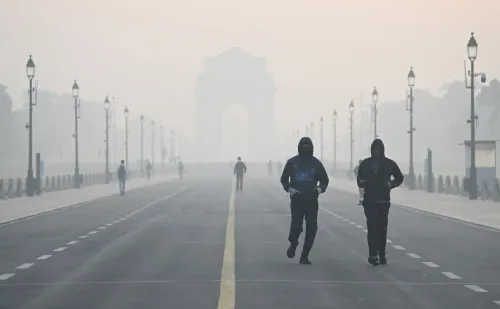
In a significant move to combat air pollution during the harvest season, CAQM has mandated Punjab, Haryana, and Uttar Pradesh to curb wheat stubble burning. The initiative includes creating protective forces and actionable plans to provide sustainable alternatives. Will these measures effectively reduce pollution this year?
Key Takeaways
CAQM mandates cessation of wheat stubble burning.
Implementation of specific Action Plans is crucial.
Farmers will receive support through monitoring and resources.
Monthly reporting will ensure accountability.
Collaboration among states is essential for success.
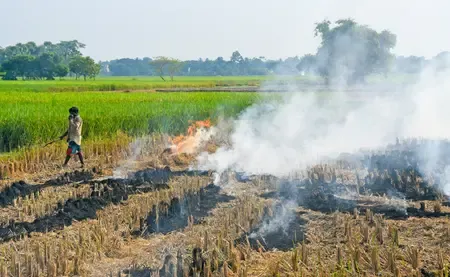
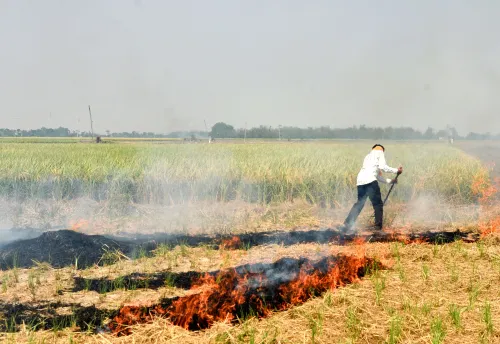
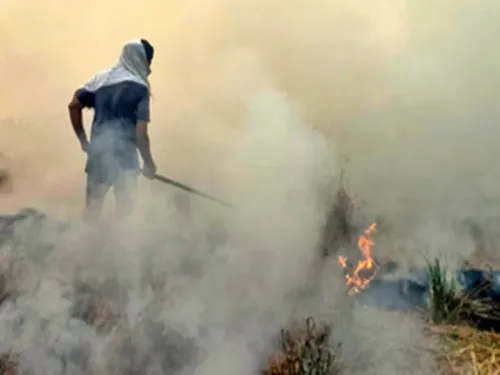
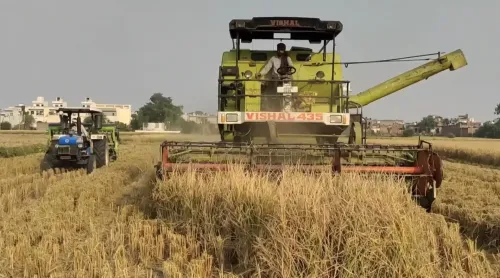
New Delhi, Feb 16 (NationPress) In a bid to tackle air pollution during the harvest period, the Commission for Air Quality Management (CAQM) issued Statutory Directions to the states of Punjab, Haryana, and Uttar Pradesh on Monday, mandating the cessation of wheat stubble burning in the approaching harvest season.
The directives include the establishment of district-level ‘Parali Protection Forces’ and conducting night patrols. Additionally, the states are required to execute their individual Action Plans to mitigate wheat straw burning, incorporating specific measures for viable alternatives.
In its announcement, the CAQM stated, “The Government of NCT of Delhi and the Government of Rajasthan have also been urged to make comprehensive efforts to eradicate incidents of wheat stubble burning during the forthcoming harvest period. The states must submit monthly progress reports to the Commission for ongoing monitoring and appropriate actions.”
The CAQM highlighted that according to the standard protocol devised by ISRO/IARI, the recorded fire events during the wheat harvest season (April 1 to May 31, 2025) were 10,207 in Punjab, 1,832 in Haryana, and 259 in the NCR districts of Uttar Pradesh.
“The satellite monitoring during the wheat harvesting phase (April–May 2025) revealed the necessity for focused interventions during the wheat season in addition to existing measures for the paddy season,” the Committee remarked.
Other directives for the three states include mapping every farm in all villages for the proposed methods of wheat stubble management, such as crop diversification, in-situ management, ex-situ management, and fodder production.
The CAQM instructed the states to assign specific nodal officers to groups of farmers, covering all farmers in the districts, reminding that each officer can oversee a maximum of 100 farmers to ensure effective monitoring.
Moreover, the Commission mandated the governments to guarantee optimal utilization and timely availability of crop residue management (CRM) machines to farmers, particularly during the peak harvesting period, facilitated through a mobile app.
The air panel also urged the states to provide adequate and suitable storage facilities for wheat straw, minimizing losses from fire hazards.
“Establish a robust and continuous supply chain of wheat straw in various forms for ex-situ applications, including its use as fodder. A District Level Supply Chain Management Plan should be devised for each district, taking into account year-round demand and supply,” the CAQM advised.
Point of View
It is essential to recognize the proactive steps taken by the CAQM in addressing wheat stubble burning. With the collaboration of multiple states and the use of technology for monitoring, there is hope for a substantial reduction in air pollution this harvest season. It is imperative that all stakeholders work together to ensure cleaner air for our communities.
NationPress
26 Sept 2026
Frequently Asked Questions
What are the main directives given by CAQM?
The CAQM has instructed Punjab, Haryana, and Uttar Pradesh to cease wheat stubble burning and implement their Action Plans, including creating protective forces and ensuring access to crop residue management machines.
What measures are proposed to support farmers?
The CAQM has proposed tagging nodal officers to groups of farmers for effective monitoring and ensuring timely availability of crop residue management machines through a mobile app.
How will the progress be monitored?
States are required to submit monthly progress reports to the CAQM for continuous monitoring and necessary actions.