CAQM reviews Punjab, Haryana stubble burning curbs ahead of peak harvest
Synopsis
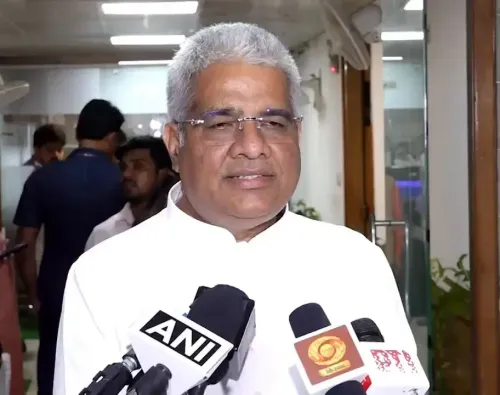
With peak paddy harvest weeks away, CAQM Chairperson Rajesh Verma personally reviewed Punjab and Haryana's anti-stubble-burning machinery and enforcement on 22 October — and warned district administrations that any laxity will be taken seriously. The commission is also pushing a circular-economy model that converts paddy straw into industrial resource, signalling a shift from punishment to productivity.
Key Takeaways
CAQM held separate review meetings with Punjab and Haryana officials on 22 October 2026 ahead of peak paddy harvest.
Commission Chairperson Rajesh Verma reviewed CRM machinery deployment, crop-residue supply chains, and satellite-based burnt-area monitoring.
Haryana review covered a broader pollution mandate — vehicular, construction, and industrial sources alongside stubble burning.
CAQM warned District Administrations that laxity leading to a rise in stubble-burning incidents 'shall be viewed seriously.' The Commission called for treating paddy straw as a circular-economy resource , not just a burning hazard.
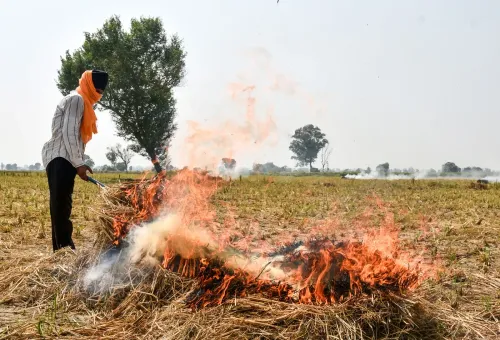
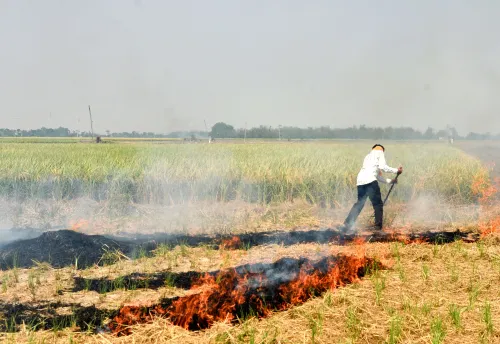
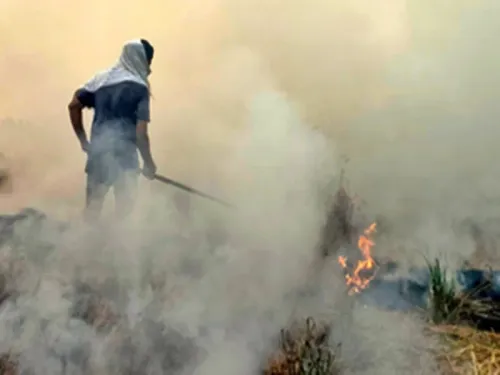
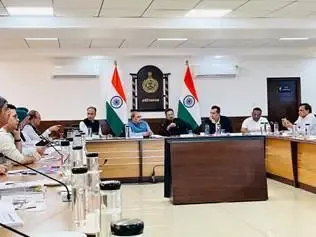
The Commission for Air Quality Management in NCR and Adjoining Areas (CAQM) on Thursday, 22 October held separate high-level review meetings with officials of Punjab and Haryana to assess enforcement measures, district-level preparedness, and monitoring mechanisms aimed at curbing paddy stubble burning — one of the primary drivers of the annual air quality crisis across the National Capital Region (NCR). The reviews come as farmers enter the peak paddy harvesting window, when stubble-burning incidents historically spike.
What the Punjab Review Covered
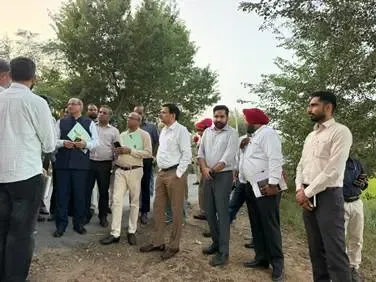
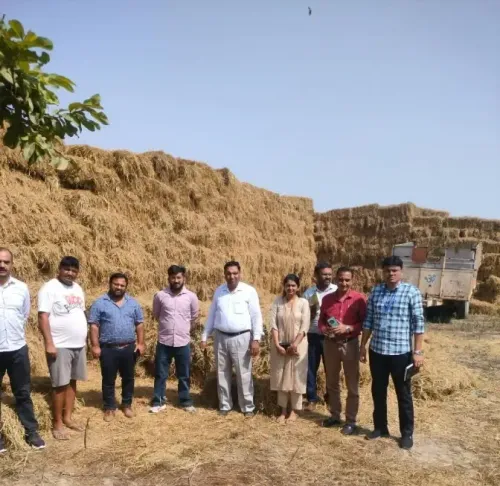
CAQM Chairperson Rajesh Verma led the Punjab session, scrutinising the availability, deployment, and utilisation of Crop Residue Management (CRM) machinery at both the district and farmer levels. Officials identified gaps in machinery utilisation and reviewed arrangements for the collection, transportation, and utilisation of paddy straw through in-situ and ex-situ management channels.
The Commission stressed the need to strengthen the crop-residue supply chain and ensure CRM equipment is effectively deployed during the critical harvesting period. The meeting also covered satellite-based fire alerts for field validation of burnt-area assessments, alongside district-wise deployment of drones and low-cost sensors to monitor burning incidents in near real-time.
Haryana Review: A Broader Pollution Lens
In the Haryana session, Verma examined a wider array of pollution sources beyond paddy stubble burning — including vehicular emissions, road and open-area dust, construction and demolition (C&D) activity dust, and industrial pollution. On stubble burning specifically, the Commission reviewed implementation of the State Action Plan, on-ground enforcement, CRM machinery deployment, crop-residue supply-chain management, and the use of drones and low-cost sensors.
CAQM's Stern Warning to District Administrations
The Commission made clear that paddy stubble management must be treated not merely as a fire-prevention exercise but as an opportunity to build a circular economy — converting paddy straw into an industrial resource that improves citizen well-being. This framing signals a push toward sustainable utilisation models rather than just punitive enforcement.
Crucially, CAQM cautioned District Administrations in both states that 'any laxity that leads to a rise in stubble-burning incidents shall be viewed seriously,' according to an official statement. The warning underlines the Commission's authority to hold district-level officials directly accountable for ground-level failures.
Why This Matters for Delhi's Air Quality
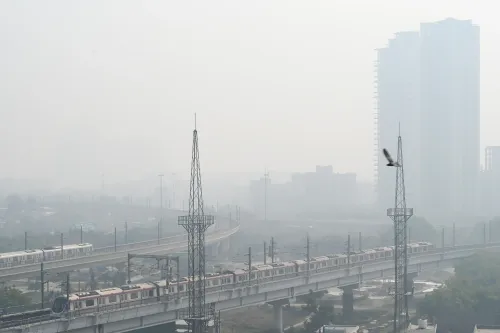
Farm fires in Punjab and Haryana are a well-documented contributor to the toxic smog that envelops Delhi-NCR every October and November. Satellite data in recent years has repeatedly shown a direct correlation between peak stubble-burning days and Air Quality Index (AQI) breaches in the 'Severe' category across the capital. This is the second consecutive year that CAQM has initiated pre-season reviews in both states, reflecting heightened institutional urgency. Despite prior interventions, enforcement gaps at the district level have persistently undermined compliance, making the Commission's renewed focus on ground-level accountability especially significant.
With harvesting activity set to intensify over the coming weeks, the effectiveness of CRM machinery deployment and supply-chain arrangements will be closely watched as an early indicator of whether this season's air quality outcomes will differ from past years.
Point of View
Yet satellite fire counts have remained stubbornly high in past years. The circular-economy framing is the most substantively new element here: if paddy straw is channelled into biomass, biogas, or industrial use at scale, the economic incentive for burning diminishes. But that supply chain has been promised before and delivered patchily. The real test this season is whether CRM machinery actually reaches small and marginal farmers in time — or sits idle at district depots as fires light up.
NationPress
22 Oct 2026
Frequently Asked Questions
What did CAQM review in Punjab and Haryana on 22 October 2026?
CAQM reviewed enforcement measures, district-level preparedness, and monitoring mechanisms for paddy stubble burning in both states. Punjab's session focused on CRM machinery deployment and satellite-based fire monitoring, while Haryana's covered a broader range including vehicular, construction, and industrial pollution.
Who led the CAQM review meetings?
CAQM Chairperson Rajesh Verma led separate review meetings with officials of Punjab and Haryana on 22 October 2026. He called for prompt ground-level action and warned district administrations against any laxity.
What warning did CAQM issue to district administrations?
CAQM cautioned district administrations in both states that any laxity leading to a rise in stubble-burning incidents would be viewed seriously. The warning signals the Commission's intent to hold local officials directly accountable for enforcement failures.
How does paddy stubble burning affect Delhi's air quality?
Farm fires in Punjab and Haryana are a major contributor to the toxic smog that blankets Delhi-NCR every October and November. Satellite data consistently shows a direct link between peak stubble-burning days and 'Severe' AQI readings across the capital region.
What is the circular-economy approach CAQM is promoting?
CAQM wants paddy straw treated as an industrial resource — channelled into biomass energy, biogas, or other uses — rather than simply burned. The Commission says this approach both prevents burning and creates economic opportunities for farmers and industry.