Karnataka CM Shivakumar seeks 50% interim drought relief from Centre for 177 taluks
Synopsis
Karnataka's drought has spread to 177 taluks — and could cross 200 — yet formal Central relief remains stuck in a multi-step assessment pipeline. Chief Minister Shivakumar is asking New Delhi to bypass the wait and release half of the ₹3,705.30 crore demand now, warning that Bengaluru's drinking water supply and 40 lakh hectares of crops are already at risk.
Key Takeaways
Shivakumar has written to PM Narendra Modi seeking release of 50 per cent of the state's ₹3,705.30 crore drought relief demand as interim assistance.
The drought has been declared across 177 taluks , up from an initial 101 , after a scientific assessment added 76 more taluks .
The total number of affected taluks could exceed 200 before the South-West Monsoon 2026 season ends.
Crop losses are projected to potentially exceed 40 lakh hectares ; an additional NDRF memorandum will follow final assessment.
Low storage in the Cauvery basin threatens drinking water availability in Bengaluru in the coming months.
Shivakumar also asked for early release of the central share of the second SDRF instalment to fund immediate relief.
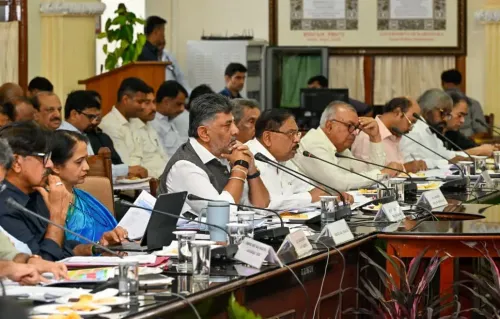
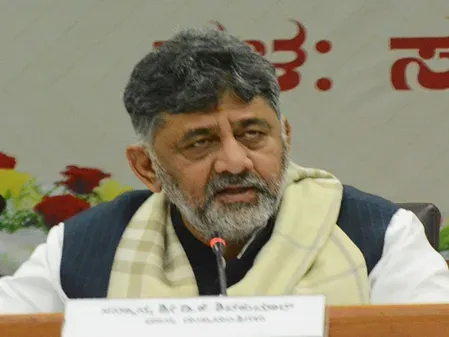
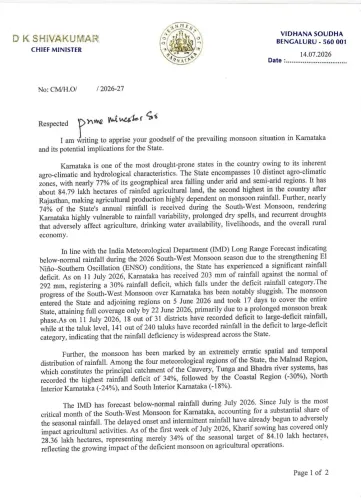
Karnataka Chief Minister D.K. Shivakumar has written to Prime Minister Narendra Modi urging the Centre to release 50 per cent of the state's drought relief demand as interim financial assistance, citing a rapidly deteriorating drought situation that has now engulfed 177 taluks across the state.
What Karnataka Has Asked For
The state initially submitted a Kharif 2026 Drought Memorandum seeking ₹3,705.30 crore in financial assistance for immediate relief in 101 drought-declared taluks. Since then, a scientific assessment conducted under the parameters of the Manual for Drought Management led the state government to declare an additional 76 taluks drought-affected, bringing the total to 177.
Shivakumar has requested that 50 per cent of the memorandum amount be disbursed as interim relief pending the completion of the formal assessment and approval process, which he described as time-consuming given how quickly conditions are worsening on the ground.
The Severity of the Drought
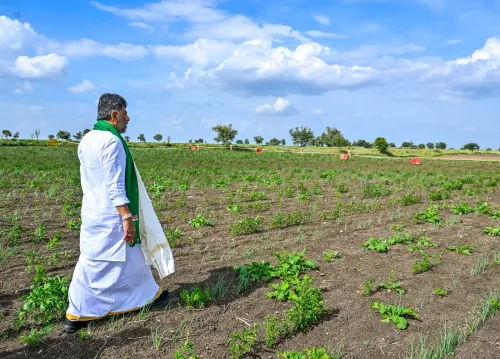
The Chief Minister warned that the number of affected taluks could eventually exceed 200 before the South-West Monsoon 2026 season concludes. He attributed the crisis to a substantial cumulative rainfall deficit between June and August, which has simultaneously hurt Kharif agriculture, reservoir storage, hydropower generation, fodder availability, and groundwater recharge across Karnataka.
Shivakumar said that crop losses could ultimately exceed 40 lakh hectares, and that officials are still assessing damages in the newly declared drought-affected areas. A supplementary memorandum seeking additional funding under the National Disaster Response Fund (NDRF) will be submitted once the assessment is complete.
Cauvery Basin and Bengaluru Water Risk
A particularly urgent concern flagged in the letter is the critically low water storage in the Cauvery basin, which Shivakumar warned could adversely affect drinking water availability in Bengaluru and adjoining districts in the months ahead. This comes amid a broader warning that conditions are likely to become more acute during the upcoming summer season as the monsoon winds down.
Procedural Bottleneck and the IMCT Visit
The Chief Minister acknowledged that an Inter-Ministerial Central Team (IMCT) is proposed to visit Karnataka for a first-hand assessment of losses. The IMCT report must then be placed before the Sub-Committee of the National Executive Committee, followed by the High-Level Committee's consideration of recommendations — a process he called inadequate in pace given the scale of the unfolding crisis.
Shivakumar also separately requested the Centre to release the central share of the second instalment of the State Disaster Response Fund (SDRF) in advance, to give the state more immediate fiscal room for relief operations covering input subsidies for crop losses, drinking water supply, and livestock protection.
With the South-West Monsoon in its final phase and reservoir levels under stress, the Centre's response to Karnataka's request is likely to set the tone for drought relief negotiations across multiple rain-deficient states this season.
Point of View
Designed for accountability, becomes a liability when a drought spreads faster than committees can convene. With 177 taluks already declared and the number likely to cross 200, the gap between the speed of the crisis and the pace of the relief process is itself a policy failure. The Cauvery basin warning is the most politically charged element — Bengaluru's water stress is not an abstraction, it is a governance flashpoint the Centre cannot afford to ignore heading into an election cycle. Whether the 50 per cent interim release is granted will test whether New Delhi treats this as a Karnataka problem or a national monsoon-failure problem.
NationPress
24 Sept 2026
Frequently Asked Questions
What has Karnataka CM D.K. Shivakumar requested from the Centre on drought relief?
Shivakumar has written to Prime Minister Modi requesting that 50 per cent of Karnataka's ₹3,705.30 crore Kharif 2026 drought memorandum be released as interim financial assistance, without waiting for the full Inter-Ministerial Central Team assessment to conclude. He has also sought early release of the second instalment of the central share of the State Disaster Response Fund (SDRF).
How many taluks in Karnataka have been declared drought-affected?
As of 23 September 2026, a total of 177 taluks across Karnataka have been declared drought-affected — 101 taluks under the initial Kharif 2026 memorandum and an additional 76 taluks following a scientific assessment under the Manual for Drought Management. The figure could exceed 200 before the South-West Monsoon season ends.
Why is the Cauvery basin situation a concern?
Low reservoir storage in the Cauvery basin could adversely affect drinking water availability in Bengaluru and adjoining districts in the coming months. Chief Minister Shivakumar flagged this risk explicitly in his letter to the Prime Minister, calling it one of the direct consequences of the cumulative rainfall deficit this monsoon season.
What is the scale of crop losses expected in Karnataka due to the drought?
The Karnataka government estimates that crop losses could exceed 40 lakh hectares by the time the drought fully runs its course. Officials are still assessing damages in the newly declared drought-affected areas, and a supplementary NDRF memorandum will be filed once the assessment is complete.
Why is the standard Central assessment process considered a problem here?
The formal relief process requires an Inter-Ministerial Central Team (IMCT) visit, submission of its report to the Sub-Committee of the National Executive Committee, and then consideration by the High-Level Committee — a multi-step process that Shivakumar described as too slow given how rapidly the drought situation is evolving. He argued that releasing 50 per cent of the memorandum amount immediately would allow the state to begin relief operations without delay.