GST Next-Gen reforms to ease compliance, boost Viksit Bharat: FM Sitharaman
Synopsis
Finance Minister Nirmala Sitharaman has put the GST Council on notice: the next wave of process reforms is coming, and it is aimed at small businesses in Tier-2 and Tier-3 cities. With gross collections already up 11.6 per cent to ₹12.46 lakh crore and B2C supplies surging 26.7 per cent post-reform, the government is making a data-driven case that simplification — not just rate cuts — is the real growth lever.
Key Takeaways
Finance Minister Nirmala Sitharaman announced the next phase of GST process reforms will come before the GST Council on 7 October 2026 .
Gross GST collections rose 11.6 per cent to ₹12.46 lakh crore during April–September 2026 .
Reported taxable supplies grew 25.8 per cent between October 2025 and July 2026 from a year earlier.
B2C (consumer) supplies surged 26.7 per cent in the post-reform period; GST registrations hit 1.71 crore by end of August 2026 .
Around ₹1.80 lakh crore was refunded during April–September 2026 , with states' SGST receipts growing about 16 per cent .
Reforms aim to benefit small businesses in Tier-2 and Tier-3 cities by reducing compliance time and cost.
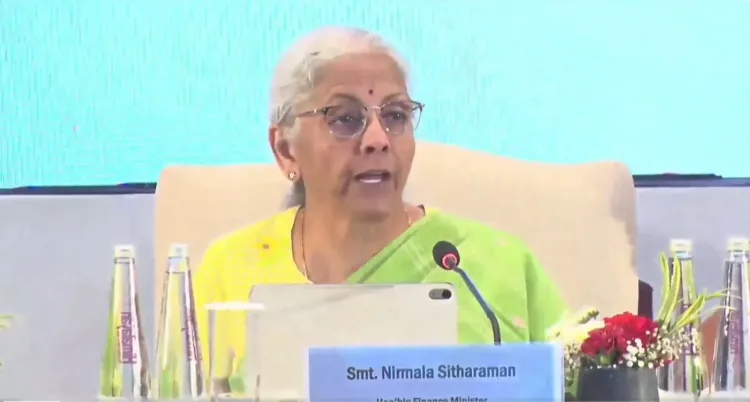
Finance Minister Nirmala Sitharaman on Monday, 5 October 2026 said the next phase of Goods and Services Tax (GST) reforms will prioritise simplifying compliance, directly advancing Prime Minister Narendra Modi's vision of a 'Viksit Bharat' — a developed India. Sharing an article on LinkedIn, Sitharaman described the upcoming process-related changes as part of a broader Next-Gen GST overhaul designed to give households relief, offer businesses greater certainty, and make it easier for taxpayers to meet their obligations.
What the Reforms Cover
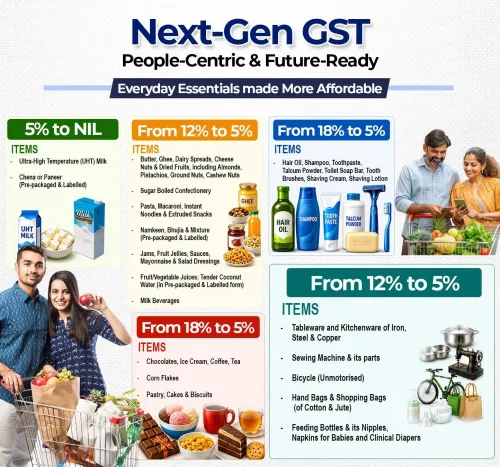
According to Sitharaman, the reform process is unfolding in two distinct stages. The first phase — rate changes introduced on 22 September 2025 — is already in effect. The second phase, focused on process-related improvements, is now approaching the GST Council for consideration. Proposals for the 7 October Council meeting have been developed in consultation with states and are aimed squarely at reducing the time and cost of compliance.
'The next phase of process reforms will come before the GST Council shortly,' Sitharaman said.
GST Revenue Metrics Signal Strong Post-Reform Momentum
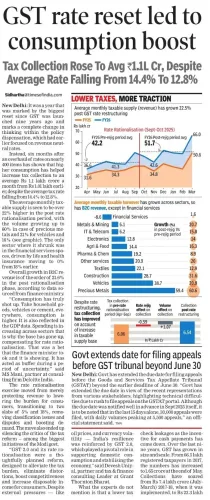
The minister cited a range of figures to underscore the reforms' early impact. Gross GST collections rose 11.6 per cent to ₹12.46 lakh crore during April–September 2026, with double-digit annual growth recorded every month from June through September. Collections during that four-month stretch rose nearly 15 per cent. Net GST collections — after refunds — grew 10.4 per cent in the first half of the financial year.
Notably, the value of reported taxable supplies grew 25.8 per cent between October 2025 and July 2026 compared to the same period a year earlier. Reported consumer sales (B2C supplies) surged 26.7 per cent in the post-reform period, while GST registrations stood at approximately 1.71 crore at the end of August 2026, up nearly 15 per cent year-on-year.
Refunds and State Revenues Also Strengthened
Sitharaman highlighted that around ₹1.80 lakh crore was refunded during April–September 2026, calling greater predictability in the refunds process critical for business planning. Aggregate SGST receipts of states — including their share of IGST settlements — grew approximately 16 per cent during the same period, a figure that underscores the federal dimension of the GST's improving health.
Who Stands to Benefit
The minister specifically called out small businesses in Tier-2 and Tier-3 cities as key beneficiaries of a simpler and more predictable GST architecture. This focus signals an intent to deepen the tax net beyond large urban enterprises and draw in a wider base of compliant filers. This comes amid broader Centre-level efforts to formalise India's economy, a process that GST has accelerated since its rollout in 2017.
What Comes Next
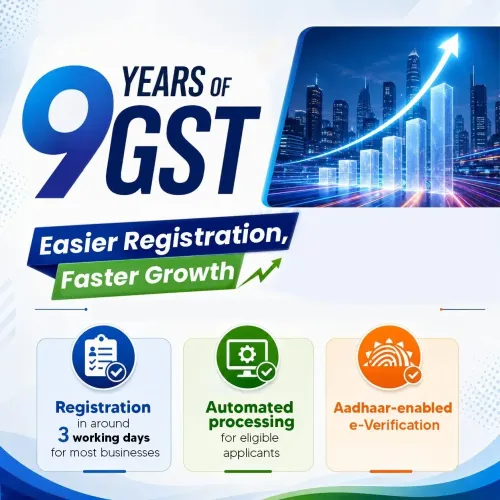
The GST Council is scheduled to meet on 7 October 2026 to consider the process reform proposals. Industry bodies and small business associations are expected to watch closely for measures that cut filing timelines and reduce notices. With nearly nine years since GST's launch, the reform conversation is increasingly shifting from rate rationalisation to administrative efficiency — a sign of the tax system's maturing trajectory.
Point of View
But headline collection growth can mask whether the compliance burden on small businesses has actually eased. The shift in emphasis from rate rationalisation to process reform is overdue — nine years into GST, it is administrative friction, not rates alone, that keeps Tier-2 and Tier-3 businesses at arm's length. The real test for the 7 October Council meeting is whether the proposals include hard timelines for notice resolution and automated refunds, or whether they remain aspirational. A 26.7 per cent rise in B2C supplies is a genuine signal, but the 1.71 crore registration base still represents a fraction of India's enterprise universe.
NationPress
5 Oct 2026
Frequently Asked Questions
What are the Next-Gen GST reforms announced by FM Sitharaman?
The Next-Gen GST reforms are a two-phase overhaul of India's goods and services tax system. The first phase — rate changes introduced on 22 September 2025 — is already in effect; the second phase focuses on simplifying compliance processes and is set to be placed before the GST Council on 7 October 2026.
How much did GST collections grow in the first half of FY2026-27?
Gross GST collections rose 11.6 per cent to ₹12.46 lakh crore during April–September 2026, with double-digit growth every month from June through September. Net collections, after refunds, grew 10.4 per cent in the same period.
When will the GST Council consider the next phase of reforms?
The GST Council is scheduled to meet on 7 October 2026 to consider the process reform proposals, which have been developed in consultation with state governments.
Who benefits most from the upcoming GST process reforms?
Finance Minister Sitharaman specifically highlighted small businesses in Tier-2 and Tier-3 cities as the primary beneficiaries. The reforms aim to reduce the time and cost of compliance, making it easier for smaller enterprises to participate in the formal economy.
What is 'Viksit Bharat' and how does GST reform connect to it?
'Viksit Bharat' — meaning 'Developed India' — is Prime Minister Narendra Modi's long-term vision for India becoming a fully developed economy. Sitharaman framed the GST simplification drive as a direct enabler of that goal, arguing that a more predictable tax system would help enterprises expand and contribute to India's growth trajectory.