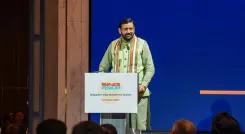
Assam CM Sarma highlights 'Vikas with Virasat' on World Architecture Day
Synopsis
On World Architecture Day, Assam CM Himanta Biswa Sarma invoked the Rang Ghar and Kamakhya Temple to argue that the state's modern development is a continuation — not a contradiction — of its Ahom-era architectural legacy. The 'Vikas with Virasat' framing is fast becoming the defining lens through which his government presents infrastructure spending to both the electorate and investors.
Key Takeaways
Assam CM Himanta Biswa Sarma marked World Architecture Day on 5 October 2026 by emphasising the state's 'Vikas with Virasat' development philosophy.
He cited the Rang Ghar in Sivasagar and the Kamakhya Temple in Guwahati as defining symbols of Assam's architectural heritage.
The Chief Minister made the remarks in a post on X , framing modern construction as a cultural extension of Assam's Ahom-era legacy.
The state government has been investing in tourism and connectivity infrastructure around heritage sites while aiming to preserve their historical character.
The 'Vikas aur Virasat' framing has become a recurring policy narrative for the Sarma government across multiple public platforms.
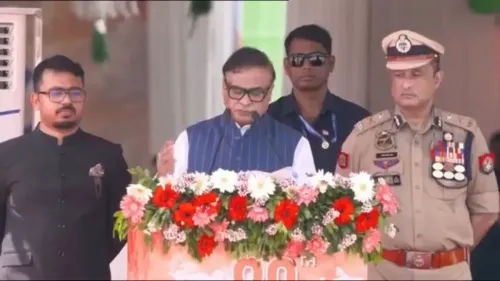
Assam Chief Minister Himanta Biswa Sarma on Monday, 5 October 2026, marked World Architecture Day by spotlighting the state's architectural heritage, asserting that modern Assam is carrying forward a centuries-old legacy while simultaneously embracing contemporary design and development. His message centred on the twin pillars of 'Vikas' (development) and 'Virasat' (heritage), a framing his government has used consistently to position infrastructure projects as cultural continuations rather than departures.
The Heritage Landmarks at the Centre of the Message
Sarma invoked two of Assam's most recognised structures to anchor his point. The Rang Ghar, located in Sivasagar, is a two-storeyed royal sports pavilion from the Ahom era and one of the most distinctive historical monuments in northeast India. The Kamakhya Temple, perched atop Nilachal Hill in Guwahati, is among the most significant religious and cultural landmarks in the region, celebrated for its singular architectural character and historical depth. 'From the Rang Ghar to Kamakhya Mandir, Assam has always been a land of great architectural prowess,' CM Sarma said in a post on X.
Modern Development Framed as Cultural Continuity
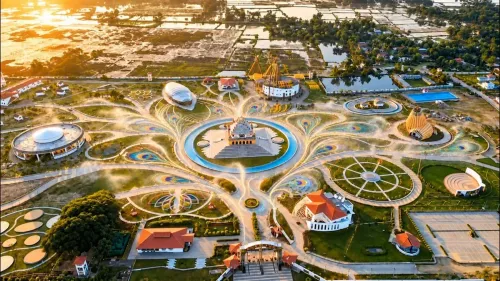
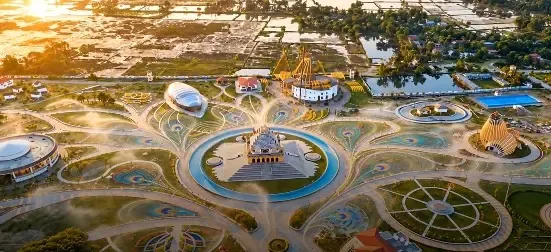
The Chief Minister's World Architecture Day message extended beyond historical pride, presenting the state's ongoing construction and infrastructure activity as a conscious effort to balance modernisation with cultural identity. 'This World Architecture Day, take a look at how modern Assam is keeping up with this rich legacy and building structures and designs, encompassing both Vikas and Virasat,' he said. The state government has been actively promoting tourism and infrastructure development around heritage and cultural sites, with a stated emphasis on improving connectivity and visitor facilities without altering their historical character.
A Recurring Policy Theme for the Sarma Government
This is not an isolated statement — CM Sarma has repeatedly placed the preservation of Assam's cultural and architectural inheritance at the centre of his government's development narrative. The 'Vikas aur Virasat' approach reflects a broader political and administrative strategy: presenting public infrastructure as an extension of Assam's identity rather than a symbol of displacement from it. This comes amid heightened attention to northeast India's development trajectory, with the Centre channelling significant funds into connectivity and tourism infrastructure across the region.
What This Signals for Assam's Infrastructure Agenda
Notably, the framing of architecture as a vehicle for both economic development and cultural preservation has practical implications. Heritage tourism around sites like the Rang Ghar and Kamakhya Temple has seen renewed state focus, with improvements in road access, visitor amenities, and lighting. Critics of such heritage-development pushes, however, have argued that rapid commercialisation of sacred or historically sensitive sites risks diluting their original character — a tension the government has not yet publicly addressed in detail. Going forward, how Assam navigates that balance will be a key test of the 'Vikas with Virasat' promise.
Point of View
And the absence of a detailed conservation policy — as distinct from a development policy — is a gap worth watching. A statement on Architecture Day is a starting point; a credible heritage-protection framework with independent oversight would be the real test of whether 'Virasat' is substance or slogan.
NationPress
5 Oct 2026
Frequently Asked Questions
What is Assam's 'Vikas with Virasat' vision?
'Vikas with Virasat' is the Assam government's stated approach of pursuing modern infrastructure and development while preserving the state's historical and cultural heritage. Chief Minister Himanta Biswa Sarma has used this framing to position new public projects as continuations of Assam's architectural and cultural legacy rather than departures from it.
What is the Rang Ghar and why is it significant?
The Rang Ghar is a two-storeyed royal sports pavilion located in Sivasagar, built during the Ahom era, and is one of Assam's most recognised historical monuments. It is widely regarded as an architectural symbol of the Ahom kingdom and is central to the state's heritage tourism identity.
What did CM Himanta Biswa Sarma say on World Architecture Day 2026?
CM Sarma posted on X that Assam has 'always been a land of great architectural prowess', citing the Rang Ghar and Kamakhya Temple as examples. He called on people to observe how modern Assam is building structures that reflect both development and cultural heritage.
How is the Assam government developing heritage sites?
The state government has been improving connectivity, visitor facilities, and tourism infrastructure around heritage and cultural sites, including those in Sivasagar and Guwahati. The stated aim is to enhance access and experience while retaining the historical character of the sites.
Where is the Kamakhya Temple located?
The Kamakhya Temple is situated atop Nilachal Hill in Guwahati, Assam. It is one of the most important religious and cultural landmarks in northeast India, known for its distinctive architecture and deep historical significance.