Sohrabuddin encounter case: Brother moves SC against acquittal of 22 accused
Synopsis
Nearly two decades after the alleged fake encounters of Sohrabuddin Shaikh, his wife, and associate, the case is headed back to the Supreme Court. Sohrabuddin's brother has challenged the Bombay High Court's refusal to overturn the acquittal of all 22 accused — including 21 police officers — in a case that once ensnared a sitting Union Home Minister and saw 92 of 210 trial witnesses turn hostile.
Key Takeaways
Nayabuddin Shaikh filed a Supreme Court petition on 13 August 2026 challenging the acquittal of all 22 accused in the Sohrabuddin alleged fake encounter case.
The Bombay High Court on 7 May upheld the December 2018 acquittal, ruling the prosecution failed to prove conspiracy and murder through reliable evidence.
The accused included 21 police personnel from Gujarat , Rajasthan , and Andhra Pradesh .
Of 210 witnesses examined during the trial, 92 turned hostile — a key factor in the acquittal.
The CBI had accepted the 2018 verdict and chose not to appeal, leaving the challenge solely to the deceased's family.
The petition is currently listed under 'Cases under Defect List valid for 90 Days' and must clear procedural hurdles before admission.
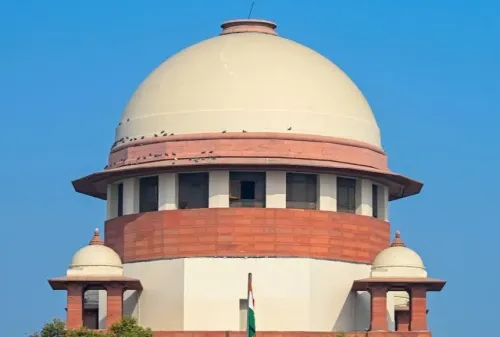
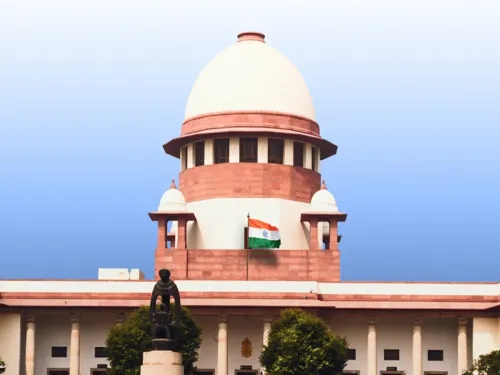
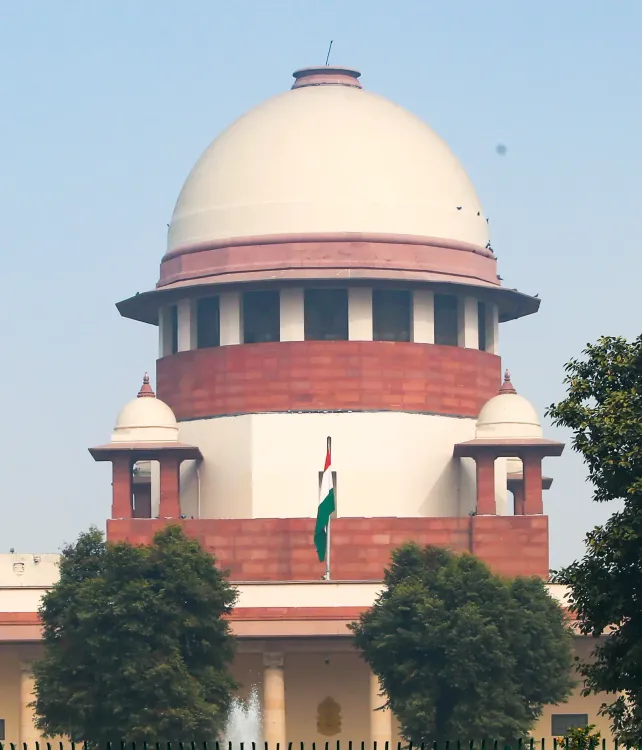
Nayabuddin Shaikh, the younger brother of the late Sohrabuddin Shaikh, has approached the Supreme Court challenging a Bombay High Court ruling that upheld the acquittal of all 22 accused — including 21 police personnel — in the alleged fake encounter killings of Sohrabuddin, his wife Kauser Bi, and associate Tulsiram Prajapati. The petition, registered as Diary No. 49466/2026, was filed on 13 August 2026 at 10:52 pm and is currently listed under the 'Cases under Defect List valid for 90 Days' category on the apex court's website.
The Supreme Court Petition
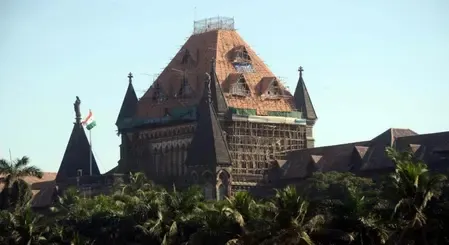
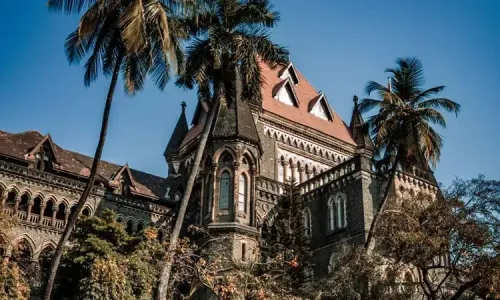
The petition has been filed through advocate Achint Kumar, with the Central Bureau of Investigation (CBI) named as the respondent. It challenges the 7 May judgment of a Division Bench of the Bombay High Court — comprising Chief Justice Shree Chandrashekhar and Justice Gautam Ankhad — which dismissed earlier appeals by Sohrabuddin's brothers against the December 2018 acquittal handed down by a special CBI court.
The High Court had declined to interfere with the trial court's findings, holding that the prosecution had failed to establish the alleged conspiracy and killings through reliable evidence. Notably, the CBI had already informed the High Court that it had accepted the 2018 acquittal and would not be challenging it.
Grounds Raised Before the High Court
The appellants had argued that the trial suffered from serious procedural flaws. These included the failure to summon magistrates before whom some hostile witnesses had earlier recorded their statements, and allegations that several witnesses subsequently claimed their statements had not been accurately recorded during proceedings.
The Bombay High Court, however, was not persuaded by these arguments and declined to set aside the acquittal or order a retrial under Section 386(a) of the Code of Criminal Procedure.
Background: The Alleged Encounters
The case originates from the alleged abduction of Sohrabuddin Shaikh, Kauser Bi, and Prajapati from a luxury bus travelling from Hyderabad to Sangli on the night of 22–23 November 2005. According to the prosecution, Sohrabuddin was killed in a staged encounter near Ahmedabad in November 2005 by a joint team of Gujarat and Rajasthan Police personnel. Kauser Bi was allegedly killed a few days later and her body secretly disposed of.
Prajapati, considered a key eyewitness, was subsequently killed in another alleged fake encounter on the Gujarat-Rajasthan border in December 2006. The Supreme Court later transferred the investigation to the CBI and shifted the trial from Gujarat to Mumbai in 2012. The trial was conducted against serving and retired police personnel from Gujarat, Rajasthan, and Andhra Pradesh, along with a farmhouse owner accused of illegally confining the victims.
Key Milestones in the Trial
The proceedings drew national attention when Special CBI Judge B.H. Loya died in 2014 while the trial was ongoing. Judge M.B. Gosavi subsequently discharged then Bharatiya Janata Party (BJP) leader and current Union Home Minister Amit Shah from the case in December 2014.
On 21 December 2018, Special CBI Judge S.J. Sharma acquitted all 22 accused, ruling that the prosecution had failed to prove the charges of conspiracy and murder beyond reasonable doubt. The trial court noted that 210 witnesses were examined during proceedings, of whom 92 turned hostile — a figure that weighed heavily in the court's assessment that conviction could not rest on moral considerations or suspicion alone.
What Happens Next
The Supreme Court petition remains in the defect list stage, meaning it must clear procedural requirements before it can be formally admitted for hearing. Whether the apex court agrees to examine the matter will determine if the two-decade-old case gets a fresh judicial review. The outcome could have significant implications for accountability in alleged custodial and encounter killings involving law enforcement personnel.
Point of View
The institutional failure to protect witness testimony is arguably as significant as the acquittal itself. The Bombay High Court's reluctance to order a retrial despite procedural objections reflects a broader pattern in encounter cases: by the time appeals reach higher courts, evidentiary decay and witness attrition have made reversal nearly impossible. Whether the Supreme Court agrees to revisit the matter will test the limits of appellate review in cases where the state machinery was itself the alleged perpetrator.
NationPress
9 Oct 2026
Frequently Asked Questions
What is the Sohrabuddin Shaikh fake encounter case?
The case involves the alleged abduction and killing of Sohrabuddin Shaikh , his wife Kauser Bi , and associate Tulsiram Prajapati by a joint team of Gujarat and Rajasthan Police personnel in 2005–2006. The prosecution alleged the killings were staged as encounters; all 22 accused were acquitted by a special CBI court in December 2018.
Why has Nayabuddin Shaikh moved the Supreme Court?
Nayabuddin Shaikh, the younger brother of the deceased, has challenged the Bombay High Court's 7 May ruling that upheld the acquittal of all 22 accused. He argues the trial suffered from serious flaws, including the failure to summon magistrates before whom hostile witnesses had earlier recorded statements.
What did the Bombay High Court rule in this case?
A Division Bench comprising Chief Justice Shree Chandrashekhar and Justice Gautam Ankhad dismissed the appeals against the 2018 acquittal, holding that the prosecution had failed to establish the alleged conspiracy and killings through reliable evidence. The court declined to order a retrial.
Why did the CBI not challenge the acquittal?
The CBI informed the Bombay High Court that it had accepted the December 2018 acquittal verdict and had not taken a decision to challenge it in appeal, leaving the legal challenge solely to the victim's family.
What is the current status of the Supreme Court petition?
The petition, registered as Diary No. 49466/2026, was filed on 13 August 2026 and is currently listed under 'Cases under Defect List valid for 90 Days.' It must clear procedural requirements before it can be formally admitted for hearing by the Supreme Court.