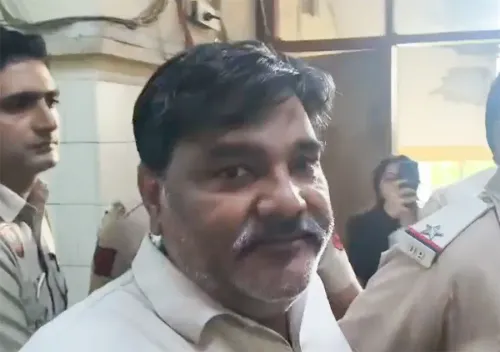
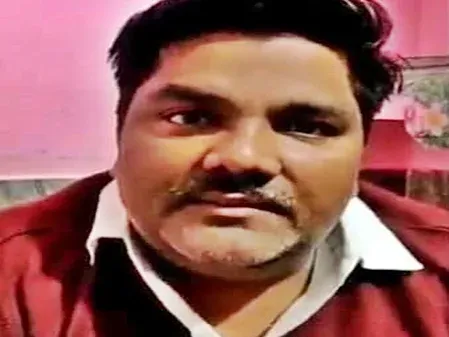
Tahir Hussain moves Delhi HC against life sentence in IB officer Ankit Sharma murder
Synopsis
Former AAP councillor Tahir Hussain has challenged his life sentence in the Delhi High Court over the murder of IB officer Ankit Sharma during the 2020 North-East Delhi riots — a case marked by 51 stab wounds, a police push for the death penalty, and a trial court that simultaneously acquitted six other accused. The High Court must now weigh whether the sentence stands, while the Delhi Police separately seeks to reverse those acquittals.
Key Takeaways
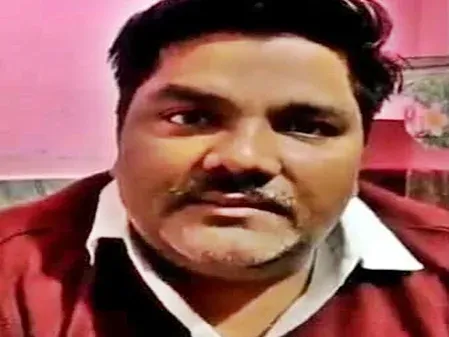
Tahir Hussain , former AAP councillor, has filed an appeal in the Delhi High Court against his conviction and life sentence in the Ankit Sharma murder case.
The Karkardooma Court had sentenced Hussain and four co-accused — Javed, Anas, Nazim, and Kasim — to rigorous life imprisonment .
Co-convicts Nazim and Kasim had already approached the High Court; their bail applications are listed for 2 December .
Delhi Police is separately challenging the acquittal of six other accused in the case.
Ankit Sharma's body was recovered from a drain in Khajuri Khas on 26 February 2020 ; the prosecution cited 51 injuries on his body.
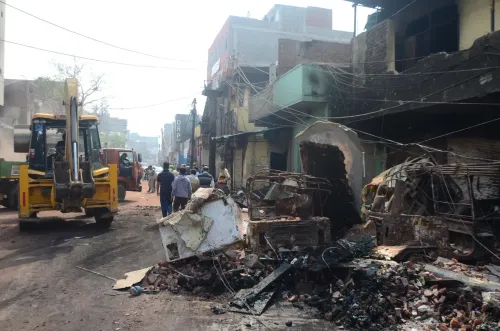
The 2020 North-East Delhi riots claimed 53 lives and caused widespread property damage.
Former Aam Aadmi Party (AAP) councillor Tahir Hussain has approached the Delhi High Court challenging his conviction and life imprisonment in the murder of Intelligence Bureau (IB) officer Ankit Sharma, killed during the 2020 North-East Delhi riots. The appeal is expected to be listed for hearing before the High Court in the coming week.
Background: The Trial Court Verdict
The appeal challenges the judgment of the Karkardooma Court, which convicted Hussain along with four co-accused — Javed, Anas, Nazim, and Kasim — for the killing of Sharma. Additional Sessions Judge Praveen Singh sentenced all five to rigorous life imprisonment, holding them guilty of offences including murder, kidnapping, promoting enmity between groups, and rioting with deadly weapons.
The trial court, however, acquitted all five of the charge of criminal conspiracy under Section 120B of the IPC, and also acquitted six other accused, finding that the prosecution had failed to establish their guilt beyond reasonable doubt.
Co-Convicts Had Already Approached the High Court
Hussain's appeal follows similar moves by co-convicts Nazim and Kasim, who had earlier approached the Delhi High Court challenging their conviction and sentence. Their appeals were heard by a Division Bench of Justice Prathiba M. Singh and Justice Vikas Mahajan. The bench has posted their applications seeking suspension of sentence and bail for consideration on 2 December.
During the hearing, the Delhi Police informed the court that it would separately challenge the acquittal of the six accused who were let off by the trial court. Special Counsel Rajat Nair submitted before the bench: 'The prosecution is also preferring an appeal. There are six accused who have been acquitted. We are in process.'
What the Trial Court Said About the Crime
While pronouncing the sentence, the trial court described the crime as a 'very serious' incident, observing that Sharma was 'brutally murdered' and his body left 'like an animal', adding that the incident had 'shaken the conscience of society.' The Delhi Police had sought the death penalty for Hussain and the other convicts, describing the killing as 'cold-blooded' and citing 51 injuries found on Sharma's body.
The defence had opposed capital punishment, arguing the case did not fall within the 'rarest of rare' category. The defence also contended there was no evidence of criminal conspiracy under Section 120B and urged the court to consider the possibility of Hussain's reformation.
The Murder of Ankit Sharma: What Happened
The case relates to the killing of IB officer Ankit Sharma, whose body was recovered from a drain in the Khajuri Khas area on 26 February 2020, during the communal violence that engulfed North-East Delhi. According to the prosecution, Sharma was caught in the violence near his residence on 25 February 2020, when clashes broke out near Chand Bagh Pulia. He was allegedly abducted by a mob, assaulted, and stabbed multiple times before his body was dumped into a nearby drain.
An FIR was registered at Dayalpur police station on the complaint of Sharma's father, Ravinder Kumar, who alleged that his son had gone out to purchase household items and did not return. The communal violence that swept North-East Delhi in February 2020 claimed 53 lives, injured several others, and caused extensive damage to property.
With the Delhi High Court now set to hear appeals from both the convicts and the prosecution, the Ankit Sharma murder case enters a critical judicial phase that could determine whether the life sentences are upheld, reduced, or — in the prosecution's bid — enhanced to capital punishment.
Point of View
And declined to find criminal conspiracy, signals the evidentiary tightrope the prosecution walked throughout. The Delhi High Court's review will be closely watched: the police's simultaneous push to reverse acquittals and the defence's bid to reduce sentences puts the bench in the middle of a case that touches riot accountability, communal violence jurisprudence, and the 'rarest of rare' threshold for capital punishment — all at once. How the court navigates these competing appeals will set a significant precedent for riot-related prosecutions.
NationPress
10 Oct 2026
Frequently Asked Questions
Why has Tahir Hussain moved the Delhi High Court?
Tahir Hussain has appealed to the Delhi High Court to challenge his conviction and life sentence handed down by the Karkardooma Court for the murder of IB officer Ankit Sharma during the 2020 North-East Delhi riots. He is contesting both the guilty verdict and the rigorous life imprisonment imposed on him.
What was the Karkardooma Court's verdict in the Ankit Sharma murder case?
The Karkardooma Court convicted Tahir Hussain and four co-accused — Javed, Anas, Nazim, and Kasim — of murder, kidnapping, rioting, and related offences, sentencing all five to rigorous life imprisonment. The court acquitted all five of criminal conspiracy under Section 120B IPC and also acquitted six other accused for lack of sufficient evidence.
Who was Ankit Sharma and how was he killed?
Ankit Sharma was an Intelligence Bureau officer whose body was recovered from a drain in Khajuri Khas, New Delhi, on 26 February 2020, during the communal violence in North-East Delhi. According to the prosecution, he was abducted by a mob near Chand Bagh Pulia on 25 February 2020, assaulted, stabbed multiple times, and his body dumped in the drain.
Is the Delhi Police also challenging the verdict?
Yes. Delhi Police has indicated it will challenge the acquittal of six accused who were let off by the trial court. Special Counsel Rajat Nair informed the Delhi High Court that the prosecution's appeal is being prepared.
What is the current status of the appeals in the Delhi High Court?
Co-convicts Nazim and Kasim had earlier filed appeals, which are being heard by a Division Bench of Justices Prathiba M. Singh and Vikas Mahajan. Their bail applications are listed for 2 December. Tahir Hussain's appeal is expected to be listed for hearing in the coming week.