Delhi HC seeks police response on Tahir Hussain's appeal in Ankit Sharma murder case
Synopsis
The Delhi High Court has issued notice to Delhi Police on former AAP councillor Tahir Hussain's appeal against his life sentence in the murder of IB officer Ankit Sharma — a case that became one of the most visible legal flashpoints of the 2020 North-East Delhi riots, which killed 53 people. A consolidated hearing with co-convicts' appeals is set for 2 December.
Key Takeaways
The Delhi High Court issued notice to Delhi Police on Wednesday on former AAP councillor Tahir Hussain's appeal against his conviction and life sentence.
The case involves the murder of IB officer Ankit Sharma , whose body was recovered from a drain in Khajuri Khas on 26 February 2020 .
A Division Bench of Justice Prathiba M.
Singh and Justice Vikas Mahajan listed the matter along with co-convicts' appeals for 2 December .
The Karkardooma Court had convicted Hussain and four others — Javed, Anas, Nazim , and Kasim — sentencing all to life imprisonment ; all were acquitted of criminal conspiracy under Section 120B IPC .
Delhi Police had sought the death penalty , citing 51 injuries on Sharma's body; the defence argued the case did not meet the 'rarest of rare' threshold.
The 2020 North-East Delhi riots claimed 53 lives and caused widespread property damage.
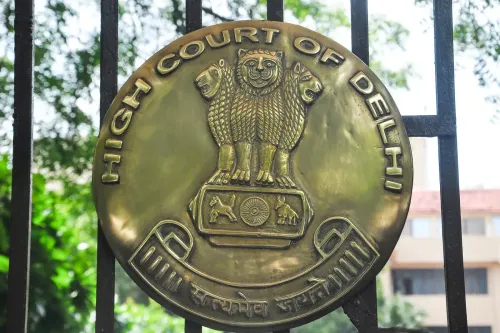
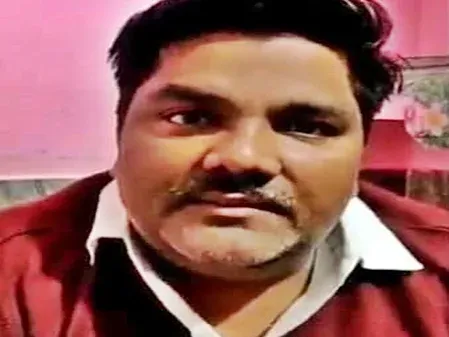
The Delhi High Court on Wednesday issued notice to the Delhi Police on an appeal filed by former Aam Aadmi Party (AAP) councillor Tahir Hussain, who is challenging his conviction and life imprisonment in the murder of Intelligence Bureau (IB) officer Ankit Sharma — a case rooted in the deadly 2020 North-East Delhi riots. The court has listed the matter for hearing on 2 December.
Court's Direction
A Division Bench comprising Justice Prathiba M. Singh and Justice Vikas Mahajan ordered that Hussain's appeal be heard alongside connected appeals filed by two other convicts in the case — Nazim and Kasim — who had earlier approached the High Court against their own conviction and sentence.
Special Public Prosecutor (SPP) Rajat Nair, appearing for the Delhi Police, submitted that the prosecution preferred a consolidated hearing of all related appeals. The bench agreed, noting: 'All connected matters are coming on December 2. We will assess the roles separately. It will save judicial time if the appeals are heard together.'
The court formally ordered: 'Issue notice. Call for nominal roll. List along with connected appeals on December 02.'
The Trial Court Verdict
The Karkardooma Court had earlier convicted Hussain along with four others — Javed, Anas, Nazim, and Kasim — for the murder of Sharma and sentenced all five to life imprisonment. The trial court found them guilty under multiple sections of the Indian Penal Code (IPC), including Section 302 (murder), Section 365 (kidnapping), Section 153A (promoting enmity between groups on grounds of religion), and Sections 147, 148, and 149 (rioting-related offences).
However, all five were acquitted of the charge of criminal conspiracy under Section 120B of the IPC. Six other accused were also acquitted, with the trial court holding that the prosecution had failed to establish their guilt beyond reasonable doubt. The Delhi Police has indicated it is in the process of challenging those acquittals.
The Sentencing and What the Judge Said
Additional Sessions Judge Praveen Singh, while pronouncing the sentence, described the crime as a 'very serious' incident, observing that Sharma was 'brutally murdered' and his body was left 'like an animal', adding that the incident had 'shaken the conscience of society.'
The Delhi Police had sought the death penalty for Hussain and the other convicts, characterising Sharma's killing as a 'cold-blooded' and 'brutal' murder and pointing to 51 injuries found on his body. The defence opposed capital punishment, arguing the case did not meet the threshold of the 'rarest of rare' doctrine required for a death sentence.
The Crime: What Happened to Ankit Sharma
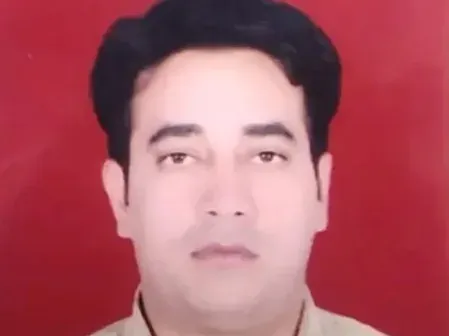
The body of IB officer Ankit Sharma was recovered from a drain in the Khajuri Khas area on 26 February 2020, during the communal violence that engulfed North-East Delhi. According to the prosecution, Sharma was caught in clashes near his residence on 25 February 2020, when violence broke out between two groups near Chand Bagh Pulia.
He was allegedly abducted by a mob, assaulted, and stabbed multiple times before his body was thrown into a nearby drain. An FIR was registered at the Dayalpur police station on the complaint of his father, Ravinder Kumar, who stated that his son had stepped out to buy household items and did not return.
The 2020 North-East Delhi riots — among the worst communal violence in the capital in decades — claimed 53 lives, left several people injured, and caused extensive damage to property across the affected localities.
What Happens Next
With the High Court scheduling a consolidated hearing for 2 December, the bench will separately assess the individual roles of each convict while examining the appeals together. The Delhi Police's parallel challenge to the acquittal of the six other accused is also expected to be taken up in the same proceedings. The outcome of these appeals could have significant implications for the legal closure of one of the most high-profile cases to emerge from the 2020 Delhi riots.
Point of View
But it also means the most politically charged element of the 2020 riots cases — the conviction of a former elected councillor — will be adjudicated alongside less prominent defendants, potentially diluting public scrutiny of each individual's role. The trial court's refusal to award the death penalty despite 51 documented injuries, and the acquittal of six accused for lack of proof, already signal the evidentiary limits of the prosecution's case. How the High Court weighs individual culpability in a mob-violence scenario — where collective action blurs personal liability — will set a precedent for the dozens of other riot-related cases still winding through the courts. The Delhi Police's own pending challenge to the six acquittals adds another layer: if those fail, it raises questions about how thoroughly the full chain of alleged conspiracy was established at trial.
NationPress
17 Oct 2026
Frequently Asked Questions
What is Tahir Hussain's appeal in the Delhi High Court about?
Former AAP councillor Tahir Hussain has appealed to the Delhi High Court challenging his conviction and sentence of rigorous life imprisonment in the murder case of IB officer Ankit Sharma, who was killed during the 2020 North-East Delhi riots. The High Court has issued notice to Delhi Police and listed the matter for 2 December.
Who was Ankit Sharma and how was he killed?
Ankit Sharma was an Intelligence Bureau (IB) officer whose body was recovered from a drain in Khajuri Khas, New Delhi, on 26 February 2020 during the communal violence in North-East Delhi. According to the prosecution, he was abducted by a mob near Chand Bagh Pulia on 25 February, assaulted, stabbed multiple times, and thrown into the drain.
What was the Karkardooma Court's verdict in the Ankit Sharma murder case?
The Karkardooma Court convicted Tahir Hussain and four others — Javed, Anas, Nazim, and Kasim — for the murder of Ankit Sharma and sentenced all five to life imprisonment under multiple IPC sections including Section 302 (murder). All five were, however, acquitted of criminal conspiracy under Section 120B, and six other accused were fully acquitted.
Why did Delhi Police seek the death penalty for Tahir Hussain?
Delhi Police sought capital punishment for Hussain and the other convicts, describing Sharma's killing as 'cold-blooded' and 'brutal' and pointing to 51 injuries found on his body. The defence opposed the plea, arguing the case did not meet the legal threshold of the 'rarest of rare' doctrine required for a death sentence, and the trial court ultimately awarded life imprisonment.
When will the Delhi High Court next hear Tahir Hussain's appeal?
The Delhi High Court has listed Hussain's appeal, along with connected appeals by co-convicts Nazim and Kasim, for hearing on 2 December. The bench indicated it will assess each convict's role separately even as the appeals are heard together to save judicial time.