Delhi Police to appeal acquittal of 6 in IB officer Ankit Sharma murder case
Synopsis
Delhi Police's decision to appeal the acquittal of six accused in the Ankit Sharma murder case reopens the most charged prosecution from the 2020 North-East Delhi riots. With convicts already appealing their life sentences, the Delhi High Court now faces parallel challenges from both sides — setting up a defining legal battle over accountability for the violence that killed 53 people.
Key Takeaways
Delhi Police told the Delhi High Court on Wednesday it will appeal the acquittal of six accused in the murder of IB officer Ankit Sharma .
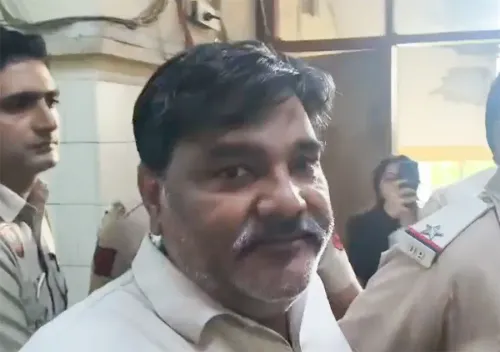
The Karkardooma Court on 13 July convicted Tahir Hussain and four others, sentencing them to rigorous life imprisonment .
Six other accused were acquitted for want of sufficient evidence; all five convicts were cleared of criminal conspiracy under Section 120B IPC .
Delhi Police had sought the death penalty , citing 51 injuries on Sharma's body; the court declined to treat the case as 'rarest of rare'.
Sharma's body was recovered from a drain in Khajuri Khas on 26 February 2020 ; the North-East Delhi riots claimed 53 lives .
The next High Court hearing is scheduled for 2 December .
Delhi Police informed the Delhi High Court on Wednesday that it will challenge the acquittal of six accused in the murder of Intelligence Bureau (IB) officer Ankit Sharma, killed during the 2020 North-East Delhi riots. The submission marks a significant escalation in a case that has remained one of the most closely watched prosecutions to emerge from the communal violence that claimed 53 lives in February 2020.
What Was Told to the High Court
The submission was made before a Division Bench of Justice Prathiba M. Singh and Justice Vikas Mahajan, which was hearing appeals by convicts Nazim and Kasim — two of the five found guilty — challenging their conviction and life imprisonment. Special Counsel Rajat Nair, appearing for the prosecution, told the bench: 'The prosecution is also preferring an appeal. There are six accused who have been acquitted. We are in process.'
Taking note of the submission, the High Court issued notice to the Delhi Police on the appeals by Nazim and Kasim and posted the matter for consideration of their applications seeking suspension of sentence and bail on 2 December.
What the Trial Court Had Decided
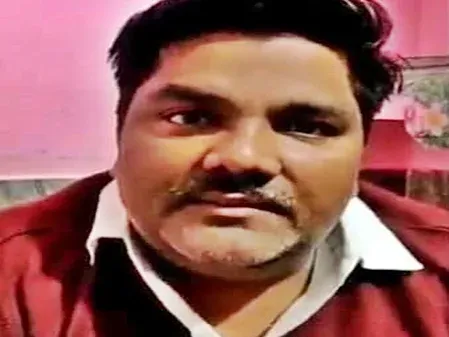
The Karkardooma Court had on 13 July convicted former Aam Aadmi Party (AAP) councillor Tahir Hussain and four others — Javed, Anas, Nazim, and Kasim — in the murder case, while acquitting six other accused for want of sufficient evidence. The five convicts were found guilty under multiple sections of the Indian Penal Code (IPC), including Section 302 (murder), Section 365 (kidnapping), Section 153A (promoting enmity between groups on grounds of religion), and Sections 147, 148, and 149 (rioting). All five were, however, acquitted of criminal conspiracy under Section 120B.
Additional Sessions Judge (ASJ) Praveen Singh, while pronouncing sentence, described the crime as a 'very serious' incident, observing that Sharma was 'brutally murdered' and his body left 'like an animal' — an incident that had 'shaken the conscience of society.' The five convicts were sentenced to rigorous life imprisonment.
The Sentencing Dispute
Delhi Police had sought the death penalty for the convicts, characterising Sharma's killing as a 'cold-blooded' and 'brutal' murder and pointing to 51 injuries found on his body. The defence opposed capital punishment, arguing the case did not meet the threshold of the 'rarest of rare' doctrine. The court ultimately awarded life imprisonment rather than the death sentence.
What Happened to Ankit Sharma
Sharma's body was recovered from a drain in the Khajuri Khas area on 26 February 2020, amid the peak of communal clashes in North-East Delhi. According to the prosecution, he had ventured out near his residence on 25 February 2020 when clashes broke out between two groups near Chand Bagh Pulia. He was allegedly abducted by a mob, assaulted, and stabbed multiple times before his body was dumped into a nearby drain.
An FIR was registered at the Dayalpur police station on the complaint of his father, Ravinder Kumar, who stated that his son had gone out to purchase household items and did not return. The North-East Delhi violence of February 2020 claimed 53 lives, injured several others, and caused extensive property damage.
What Happens Next
With Delhi Police now formally signalling an appeal against the six acquittals, the High Court proceedings will run in parallel with the bail and sentence-suspension applications filed by the two convicts. The next date of hearing is 2 December. How the court handles simultaneous appeals from both the convicts and the prosecution will shape the final legal reckoning in one of the most consequential riot-related murder trials in recent Delhi history.
Point of View
Combined with the acquittal of six others, suggests the prosecution's evidence was strong on individual acts but thin on establishing a coordinated plan. Delhi Police's simultaneous push for appeals while two convicts seek bail suspension creates a procedurally complex High Court track that could take years to resolve. The Ankit Sharma case has always carried outsized political weight given Tahir Hussain's former AAP affiliation; how the High Court navigates both sets of appeals will test whether the judiciary can deliver closure on the riots' most high-profile criminal case.
NationPress
26 Sept 2026
Frequently Asked Questions
Why is Delhi Police appealing in the Ankit Sharma murder case?
Delhi Police is appealing because six accused in the case were acquitted by the Karkardooma Court for want of sufficient evidence. The prosecution told the Delhi High Court it is in the process of filing an appeal to challenge those acquittals.
Who were convicted in the Ankit Sharma murder case?
Former AAP councillor Tahir Hussain and four others — Javed, Anas, Nazim, and Kasim — were convicted by the Karkardooma Court on 13 July and sentenced to rigorous life imprisonment under multiple IPC sections including Section 302 (murder).
What happened to IB officer Ankit Sharma?
Ankit Sharma, an Intelligence Bureau officer, was allegedly abducted by a mob near Chand Bagh Pulia in North-East Delhi on 25 February 2020 during communal clashes, assaulted and stabbed multiple times, and his body was dumped in a drain. It was recovered from the Khajuri Khas area on 26 February 2020.
Why was the death penalty not awarded in the Ankit Sharma case?
Delhi Police had sought the death penalty, citing 51 injuries on Sharma's body and calling the killing cold-blooded and brutal. The defence argued the case did not meet the 'rarest of rare' threshold, and the trial court agreed, awarding life imprisonment instead.
When is the next hearing in the Delhi High Court on this case?
The Delhi High Court has posted the matter for 2 December, when it will consider applications by convicts Nazim and Kasim seeking suspension of their sentence and bail. The court has also issued notice to Delhi Police on those appeals.