2020 Delhi riots: Verdict in IB officer Ankit Sharma murder case on June 11
Synopsis
Five years after IB officer Ankit Sharma's body was pulled from a drain during the 2020 North-East Delhi riots, the Karkardooma Court is set to deliver its verdict on 11 June against ex-AAP councillor Tahir Hussain and 10 co-accused — one of the first major judicial outcomes from the riots that killed more than 50 people.
Key Takeaways
The Karkardooma Court is set to pronounce its verdict on 11 June in the Ankit Sharma murder case linked to the 2020 North-East Delhi riots .
Former AAP councillor Tahir Hussain and 10 others are accused; charges include murder and criminal conspiracy under the IPC .
Sharma's body was recovered from a drain in Khajuri Khas on 26 February 2020 ; his father Ravinder Kumar filed the original complaint.
Charges were framed in March 2023 ; the verdict was deferred from 4 June to 11 June .
The Delhi High Court had earlier rejected Hussain's bail plea; Justice Neena Bansal Krishna dismissed the application.
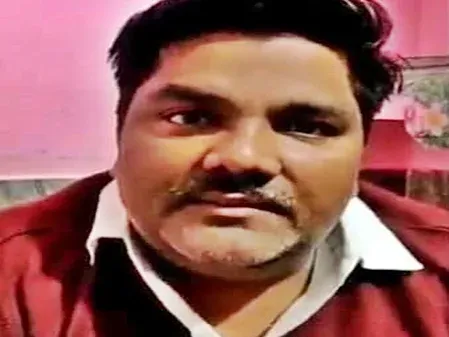
A Delhi court is set to deliver its verdict on Thursday, 11 June in the murder case of Intelligence Bureau (IB) officer Ankit Sharma, one of the most closely watched criminal proceedings to emerge from the 2020 North-East Delhi riots. The accused include former Aam Aadmi Party (AAP) councillor Tahir Hussain and 10 other individuals.
Background of the Case
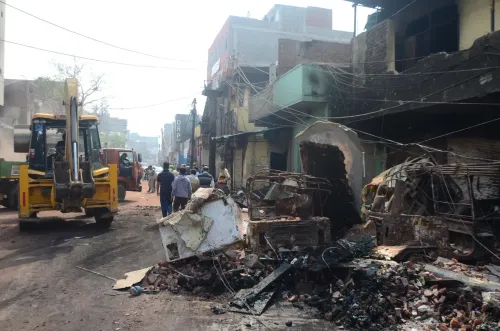
Ankit Sharma's body was recovered from a drain in the Khajuri Khas area of North-East Delhi on 26 February 2020, during the communal violence that swept through the region. An FIR was registered the same day on a complaint filed by his father, Ravinder Kumar, who alleged that his son had stepped out on 25 February 2020 to purchase household items and never returned.
Kumar subsequently learnt from local residents that a youth had been thrown into the Chand Bagh drain. His son's body was later retrieved from the Khajuri Khas drain. Kumar alleged in his complaint that Hussain and his associates were directly responsible for the killing.
Charges Framed Against the Accused
In March 2023, the Karkardooma Court framed charges against all 11 accused, including Hussain, under multiple sections of the Indian Penal Code (IPC) — including Section 147 (rioting), Section 148 (rioting armed with a deadly weapon), Section 153A (promoting enmity between groups), Section 302 (murder), and Section 120B (criminal conspiracy).
Hussain faced additional charges under Sections 505, 109, and 114 of the IPC. The trial court had observed at the time that Hussain allegedly incited the mob to target Hindus and exhorted them to 'not spare them', according to prosecution records.
Verdict Deferred from June 4
The Karkardooma Court had originally been expected to pronounce its verdict on 4 June, but deferred the pronouncement to 11 June. The prosecution has argued that Hussain and the co-accused were part of an unlawful assembly and a criminal conspiracy that directly resulted in Sharma's murder during the riots.
Bail Rejected by Delhi High Court
Earlier, the Delhi High Court dismissed Hussain's plea seeking bail in the case. A single-judge bench of Justice Neena Bansal Krishna rejected the application after examining the allegations and material placed on record. Hussain has remained in custody throughout the trial proceedings.
Significance of the Verdict
The 2020 North-East Delhi riots left more than 50 people dead and hundreds injured over several days of communal violence. The killing of an IB officer drew particular national attention, given the victim's government service. The verdict on 11 June is among the first major judicial outcomes from the riots-era cases still winding through the courts, and is expected to set a significant precedent for the remaining proceedings.
Point of View
Involving a serving intelligence officer and a sitting councillor of a major political party. The charges of criminal conspiracy alongside rioting raise the legal bar significantly; a conviction on conspiracy grounds would mark a notable shift in how courts treat political actors in communal violence cases. With dozens of riots-era cases still pending, this verdict will be closely read by prosecutors and defence lawyers alike as a signal of judicial intent. The bail rejection by the Delhi High Court suggests the evidentiary record is substantial, but the final verdict will determine whether the prosecution's conspiracy narrative holds under the full weight of trial scrutiny.
NationPress
19 Sept 2026
Frequently Asked Questions
What is the Ankit Sharma murder case?
The Ankit Sharma murder case concerns the killing of an Intelligence Bureau (IB) officer whose body was recovered from a drain in Khajuri Khas , North-East Delhi , on 26 February 2020 , during the communal riots that struck the area. Former AAP councillor Tahir Hussain and 10 others are accused of being part of an unlawful assembly and conspiracy that led to his death.
Who are the accused in the Ankit Sharma case?
The primary accused is former AAP councillor Tahir Hussain , along with 10 co-accused. All 11 were charged in March 2023 under IPC sections covering rioting, murder, promoting enmity between groups, and criminal conspiracy.
Why was the verdict deferred from June 4 to June 11?
The Karkardooma Court had originally been scheduled to pronounce its verdict on 4 June but deferred the pronouncement to 11 June . The court has not publicly stated the specific reason for the deferral.
What happened to Tahir Hussain's bail plea?
The Delhi High Court dismissed Tahir Hussain's bail application. A single-judge bench of Justice Neena Bansal Krishna rejected the plea after reviewing the allegations and material on record; Hussain has remained in custody.
Why does this verdict matter beyond the individual case?
The 2020 North-East Delhi riots killed more than 50 people, and many cases from that period are still before the courts. The Ankit Sharma verdict is among the first major judicial outcomes from those events and could influence how courts and prosecutors approach the remaining riot-related trials, particularly those involving charges of criminal conspiracy against political figures.