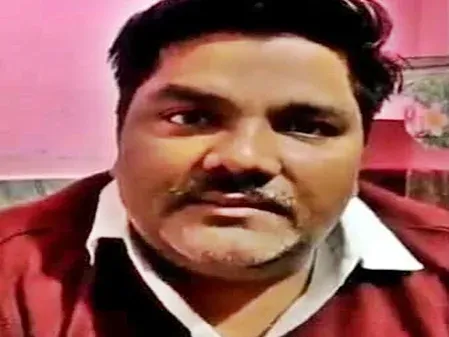
Ankit Sharma murder: Tahir Hussain gets life term, 6-year Delhi riots case timeline
Synopsis
Six years after IB officer Ankit Sharma was found in a drain with 51 stab wounds, the Delhi court that convicted his killers called the crime 'barbaric, nauseating and sickening.' With Tahir Hussain signalling a High Court appeal and his opponents calling for the death penalty, the Ankit Sharma case is far from over — and it remains the most visible legal landmark of the 2020 riots that killed 53.
Key Takeaways
Additional Sessions Judge Praveen Singh sentenced former AAP councillor Tahir Hussain and four co-accused to life imprisonment on 31 July 2026 .
IB officer Ankit Sharma , 26 , was found dead in a drain on 26 February 2020 with 51 knife wounds during the North-East Delhi riots .
The court described the murder as 'barbaric, nauseating and sickening', noting the body was dragged into a drain after the killing.
Hussain was convicted on 13 July 2026 ; sentencing followed on 31 July 2026 .
Hussain indicated a Delhi High Court appeal is likely; Delhi Minister Kapil Mishra has called for the sentence to be upgraded to the death penalty .
The 2020 riots claimed 53 lives and generated over 700 FIRs , with multiple linked cases still in trial.
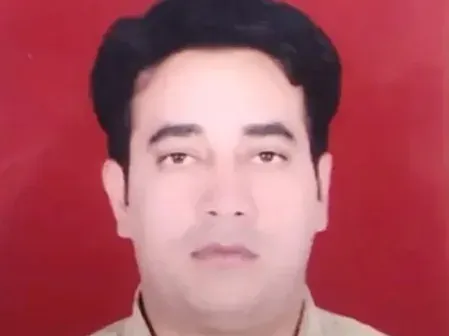
Intelligence Bureau (IB) officer Ankit Sharma's murder case reached a landmark verdict on 31 July 2026, when an Additional Sessions Court in New Delhi sentenced former Aam Aadmi Party (AAP) councillor Tahir Hussain and four co-accused to life imprisonment — six years after Sharma was stabbed to death during the 2020 North-East Delhi riots. Additional Sessions Judge Praveen Singh described the killing as 'barbaric, nauseating and sickening', noting that the savagery extended beyond the murder itself.
What the Court Found
The Karkardooma court underscored the 'monstrosity' of the crime, observing that the assault did not end with Sharma's death — his body was subsequently dragged into a drain. Sharma, aged 26, had sustained 51 knife wounds, and his remains were recovered from a drain on 26 February 2020, a day after he went missing while stepping out to collect household essentials.
Prosecution evidence presented during the trial included Call Detail Records (CDRs) and mobile location data, alongside a 1,030-page charge sheet filed against 15 accused in June 2020, which named Hussain as the mastermind of the violence.
Reactions to the Sentence
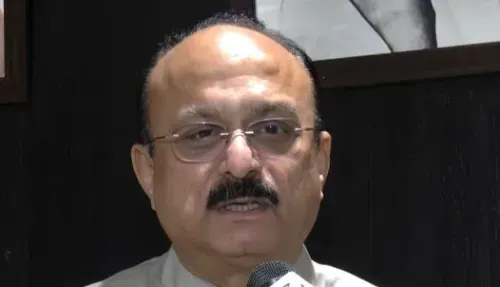
Delhi Minister Kapil Mishra welcomed the verdict, stating in a social media post: 'Tahir Hussain's life imprisonment sentence is the beginning of justice. The cruelty with which Ankit Sharma ji was killed, stabbed with knives even after death, the body thrown into a drain — this is certainly the "Rarest of Rare". It is hoped that in the High Court, this life imprisonment will be converted to the death penalty.'
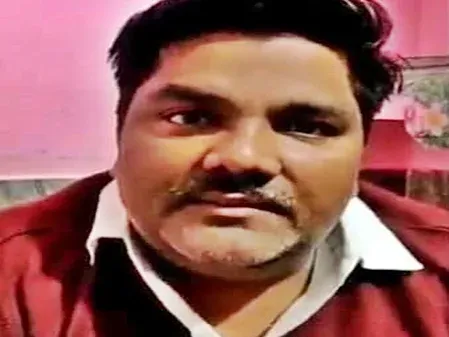
Hussain, speaking to mediapersons outside court, said he remained hopeful of eventually receiving justice — widely interpreted as signalling his legal team's intent to appeal before the Delhi High Court.
Timeline of the Case: 2020 to 2026
17–23 February 2020: Protests against the Citizenship Amendment Act (CAA) erupt across North-East Delhi localities including Jaffrabad, Chand Bagh, Maujpur, Khajuri Khas, and Karawal Nagar.
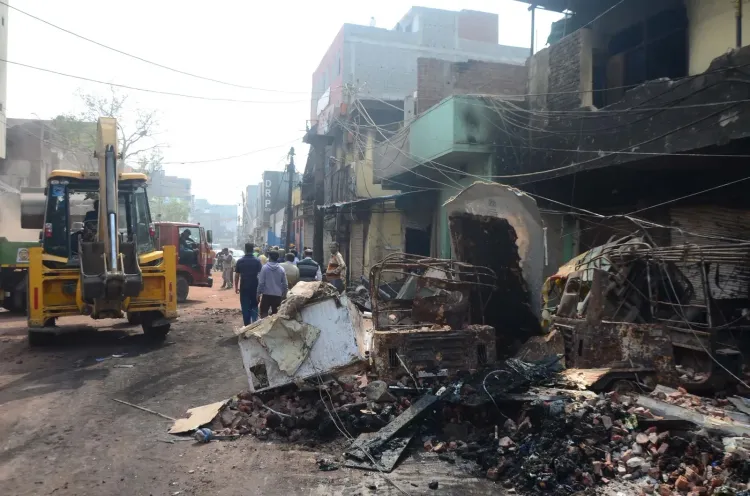
24 February 2020: Communal violence spreads across the region, claiming 53 lives. Delhi Police are deployed.
25 February 2020: Ankit Sharma goes missing after leaving home for household essentials. Stones and petrol bombs are allegedly hurled from Tahir Hussain's rooftop in Chand Bagh.
26 February 2020: Sharma's body, bearing 51 stab wounds, is recovered from a drain.
27 February 2020: Delhi Police constitute a Special Investigation Team (SIT); Sharma's father names Hussain as a suspect. Over 700 FIRs are lodged.
March 2020: Police arrest Hussain and seize petrol bombs and acid from his residence.
2 June 2020: A 1,030-page charge sheet is filed against 15 accused, designating Hussain as the alleged mastermind.
2021–2022: Witnesses and investigators depose before the trial court.
23 March 2023: Trial court frames murder and rioting charges against Hussain and 11 others.
2023–2025: Defence maintains the accused's innocence; prosecution presents CDRs and location data.
13 July 2026: Trial court convicts Hussain and four others in the murder case.
31 July 2026: Additional Sessions Judge Praveen Singh awards life imprisonment to Hussain and four co-accused.
What Happens Next
Hussain's remarks strongly suggest an appeal before the Delhi High Court is imminent. Minister Mishra's public call for the death penalty indicates the case will remain politically charged at the appellate stage. The 2020 Delhi riots, which left 53 dead and triggered over 700 FIRs, continue to have multiple linked cases at various stages of trial — making the Sharma verdict one of the most prominent closures in a still-unfinished legal reckoning.
Point of View
But it is not a conclusion. Hussain's near-certain High Court appeal means the legal battle over the 2020 riots' most prominent murder will extend well into the next decade. What the verdict does establish — through CDRs, location data, and a 1,030-page charge sheet — is an evidentiary standard that will be hard to unwind on appeal. The broader question the case leaves unanswered is systemic: with over 700 FIRs filed and 53 lives lost, the Sharma conviction remains one of very few to reach sentencing. The pace of justice for the riots' other victims deserves equal scrutiny.
NationPress
15 Sept 2026
Frequently Asked Questions
Who is Tahir Hussain and why was he sentenced?
Tahir Hussain is a former Aam Aadmi Party (AAP) councillor sentenced to life imprisonment on 31 July 2026 for the murder of IB officer Ankit Sharma during the 2020 North-East Delhi riots. A Delhi court named him the mastermind of the violence that led to Sharma's death.
How was Ankit Sharma killed?
Ankit Sharma, a 26-year-old Intelligence Bureau officer, went missing on 25 February 2020 and was found dead the following day in a drain in Chand Bagh, North-East Delhi, with 51 stab wounds. The court noted that the assault continued even after his death and his body was dragged into the drain.
What was the 2020 North-East Delhi riots case about?
Communal violence erupted in North-East Delhi between 24 and 26 February 2020 amid protests over the Citizenship Amendment Act (CAA), claiming 53 lives and resulting in over 700 FIRs. The riots spread across localities including Jaffrabad, Chand Bagh, Maujpur, and Karawal Nagar.
Will Tahir Hussain appeal the life sentence?
Hussain told mediapersons after sentencing that he remained hopeful of receiving justice, strongly indicating his legal team intends to appeal before the Delhi High Court. Delhi Minister Kapil Mishra has publicly called for the sentence to be upgraded to the death penalty at the appellate stage.
What evidence was used to convict Tahir Hussain?
The prosecution presented a 1,030-page charge sheet, Call Detail Records (CDRs), and mobile location data as key evidence. Police also seized petrol bombs and acid from Hussain's residence following his arrest in March 2020.