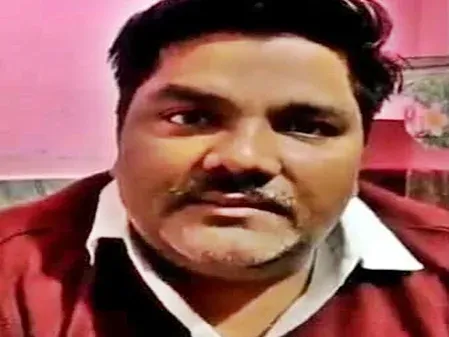
Tahir Hussain gets life term for IB officer Ankit Sharma's murder in 2020 Delhi riots
Synopsis
A Delhi court handed former AAP councillor Tahir Hussain a life sentence for the brutal murder of IB officer Ankit Sharma during the 2020 northeast Delhi riots — but stopped just short of the death penalty. With 51 stab wounds and a body dumped in a drain, the court called it near-'rarest of rare', yet found no conclusive proof of Hussain's individual role. The family is pushing the case to higher courts.
Key Takeaways
The Karkardooma Court sentenced former AAP councillor Tahir Hussain to life imprisonment on 31 July for the murder of IB officer Ankit Sharma .
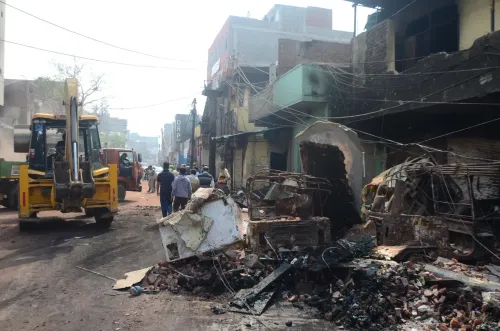
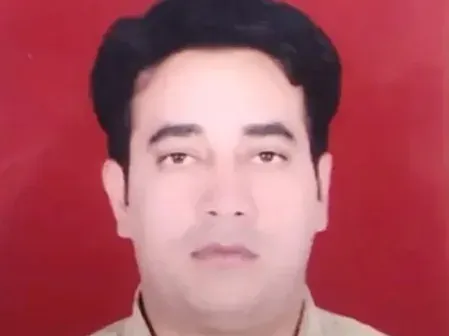
Ankit Sharma's body was recovered from a drain with 51 stab wounds on 26 February 2020 , a day after he went missing during the northeast Delhi riots .
The court described the killing as 'brutal' and acknowledged it leaned toward the 'rarest of rare' category, but ruled the legal threshold for the death penalty was not met.
The court cited no conclusive evidence of Hussain's individual role in the fatal attack and noted the possibility of reform.
Victim's brother Ankur Sharma said the family will pursue the case at the Delhi High Court and the Supreme Court seeking capital punishment.
Delhi Law Minister Kapil Mishra welcomed the verdict but called for a higher court to convert the sentence to death penalty.
A Delhi court has sentenced former Aam Aadmi Party (AAP) councillor Tahir Hussain to life imprisonment for the murder of Intelligence Bureau (IB) officer Ankit Sharma during the 2020 northeast Delhi riots. The verdict, delivered on 31 July, has drawn sharp disappointment from the victim's family, who had sought the death penalty.
Family's Reaction to the Verdict
Ankit Sharma's brother, Ankur Sharma, said the family was deeply disappointed that the court stopped short of awarding capital punishment. 'Our demand was that this should have been treated as the ‘rarest of rare’ case. The guilty deserved the harshest punishment. We wanted the death penalty,' he said.
Ankur Sharma added that while he acknowledged the court had delivered a measure of justice, the family believed the sentence fell short. He said the family would continue pursuing the case if it reaches the Delhi High Court or the Supreme Court, and appealed to all political parties to support the push for a death sentence at the appellate stage.
What the Karkardooma Court Said
The Karkardooma Court described the killing as 'brutal' and noted that Ankit Sharma's body was dragged into a nearby drain after the murder. The court observed that the offence leaned towards the 'rarest of rare' category — the legal benchmark for capital punishment — but ruled that the threshold had not been conclusively met.
Specifically, the court found no conclusive evidence of an individual role by Hussain in the fatal attack, and noted that the possibility of his reform could not be ruled out. These two findings together prevented the court from imposing the death penalty under established Supreme Court guidelines.
What Happened on 25 February 2020
According to the prosecution, Ankit Sharma was surrounded by a mob while attempting to calm tensions during the riots on 25 February 2020. He was allegedly attacked with knives, sticks, iron rods, and stones. His body, bearing 51 stab wounds, was recovered from a drain the following day.
Hussain's lawyer maintained that his client was only present at the location and was not directly involved in the killing — a defence the court appears to have partially weighed in determining the sentence.
Political Response
Delhi Law Minister Kapil Mishra welcomed the court's verdict but expressed hope that a higher court would convert the life sentence into the death penalty. The case has remained politically charged since the riots, which left scores dead and hundreds injured across northeast Delhi.
What Comes Next
With the family and political voices pushing for an enhanced sentence, the case is expected to be challenged before the Delhi High Court. The appellate process will determine whether the 'rarest of rare' bar — which the trial court itself acknowledged was approached — can be crossed with additional evidence or legal argument. The outcome will be closely watched as a marker of judicial accountability in one of independent India's most scrutinised communal violence episodes.
Point of View
Largely because mob violence diffuses individual culpability. That is not a flaw in this judgment alone — it is a systemic gap that recurs whenever communal violence produces mass perpetrators and single victims. The family's push for appellate intervention is legally sound, but the evidentiary challenge remains the same: proving individual fatal agency within a mob. If higher courts cannot resolve that gap here, the 2020 riots cases risk producing sentences that satisfy neither accountability nor deterrence.
NationPress
15 Sept 2026
Frequently Asked Questions
What sentence did Tahir Hussain receive for the murder of Ankit Sharma?
The Karkardooma Court sentenced former AAP councillor Tahir Hussain to life imprisonment for the murder of IB officer Ankit Sharma during the 2020 northeast Delhi riots. The court stopped short of the death penalty, finding the legal threshold had not been conclusively met.
Why did the court not award the death penalty to Tahir Hussain?
The court found no conclusive evidence of Hussain's individual role in the fatal attack and noted that the possibility of his reform could not be ruled out. Under Supreme Court guidelines, both conditions must be satisfied to award capital punishment in 'rarest of rare' cases.
What happened to IB officer Ankit Sharma during the 2020 Delhi riots?
Ankit Sharma was allegedly surrounded by a mob on 25 February 2020 while trying to calm tensions during the northeast Delhi riots. He was attacked with knives, sticks, iron rods, and stones; his body, bearing 51 stab wounds, was recovered from a drain the following day.
What is Ankit Sharma's family demanding after the verdict?
The family has demanded the death penalty for Tahir Hussain, calling the case 'rarest of rare'. Brother Ankur Sharma said the family will pursue the matter before the Delhi High Court and the Supreme Court to seek capital punishment.
What is the political reaction to the Tahir Hussain verdict?
Delhi Law Minister Kapil Mishra welcomed the life sentence but expressed hope that a higher court would enhance it to the death penalty. The case has remained politically sensitive since the 2020 northeast Delhi riots, which left scores dead across the area.