What Did South Korea's Defence Chief and US Under Secretary Discuss Regarding Nuclear Submarines?
Synopsis
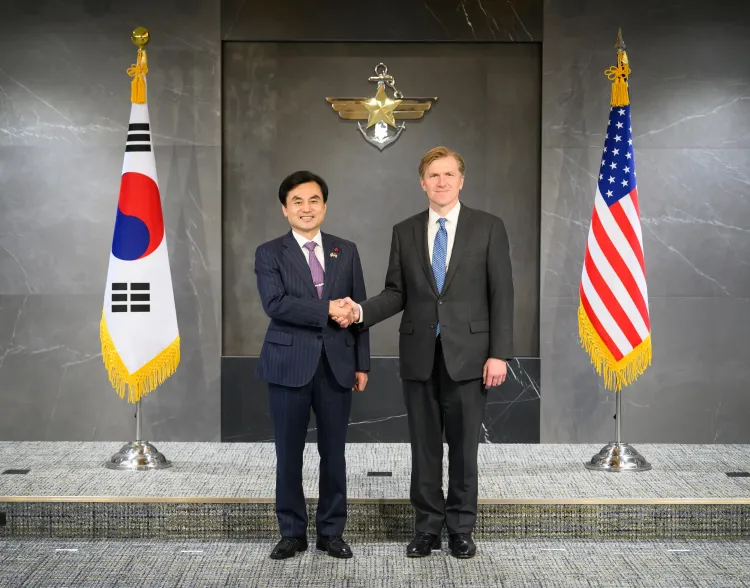
In a pivotal meeting, South Korea's Defence Minister Ahn Gyu-back and US Under Secretary Elbridge Colby discussed vital issues, including nuclear submarine development, wartime troop control transfer, and their enduring alliance. These discussions mark a significant moment in strengthening defence cooperation amidst changing security dynamics in the region.
Key Takeaways
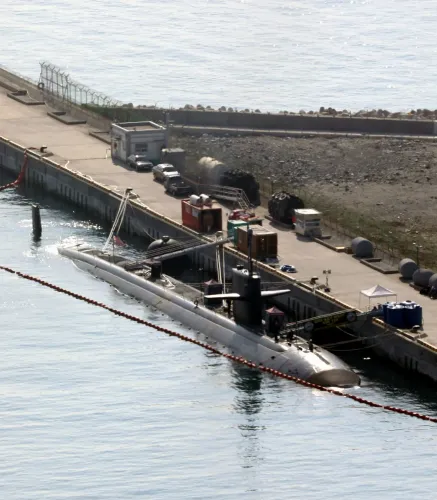
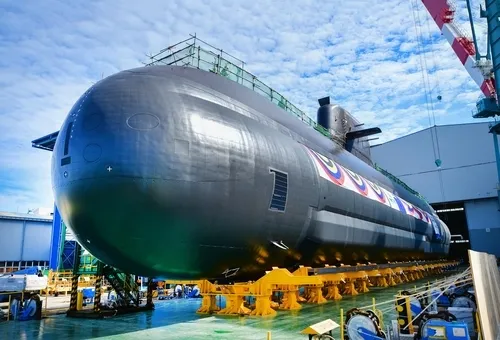
South Korea is pursuing nuclear-powered submarines to enhance its defense.
The transfer of wartime operational control from the US is a key goal.
The US-South Korea alliance is evolving towards greater military cooperation.
New strategies indicate a more significant role for South Korea in regional security.
Ongoing dialogues signify a historic turning point in defense relations.
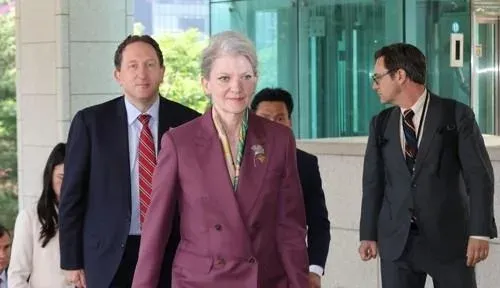
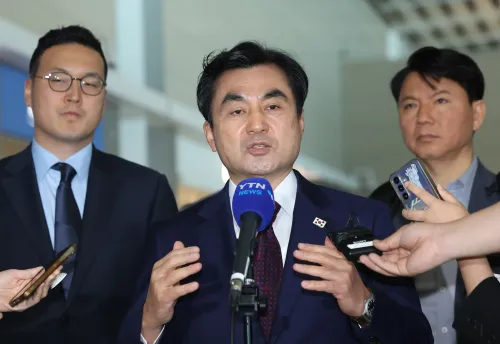
Seoul, Jan 26 (NationPress) South Korea's Defence Minister Ahn Gyu-back engaged in discussions on Monday with US Under Secretary of Defence for Policy Elbridge Colby regarding Seoul's initiative to develop nuclear-powered submarines, the transfer of wartime operational control of its forces from the US, and other pressing security matters.
Ahn highlighted the joint fact sheet published by both nations last year after their leaders' summit, along with the recent Security Consultative Meeting. He stated that their alliance is at a “historic turning point” and emphasized the need for concrete outcomes in defense collaboration this year, as reported by Yonhap News Agency.
Colby affirmed his commitment to bolstering defense ties with South Korea, praising it as a model ally for the US.
Both officials concurred that collaboration on South Korea's acquisition of nuclear submarines would enhance its defensive capabilities for the Korean Peninsula and signify a pivotal advancement in their alliance.
The dialogue also covered the new National Defence Strategy released by the Pentagon last week.
This key document recognized Seoul's ability to take on 'primary' responsibility for deterring North Korea, with “critical but more limited” support from the US, indicating a more significant role for South Korea in mitigating threats posed by North Korea's conventional arms.
On January 6, Defence Minister Ahn visited the South Korea-US Combined Forces Command (CFC) and advocated for a robust readiness posture amidst a shifting security landscape, according to the defense ministry.
During his visit to the CFC stationed at Camp Humphreys, a vital US base located approximately 60 kilometers south of Seoul, Ahn also met with US Forces Korea Commander Gen. Xavier Brunson, who also leads the CFC, as per the ministry's report.
Ahn emphasized that his visit to the command—his initial on-site inspection of the year—underscores the significance of the allies' joint defense strategy and urged for prompt action on the agreements put forth during their leaders' summit in October and the subsequent annual security meeting between defense chiefs.
In the Security Consultative Meeting held in November, the defense chiefs from both nations reached consensus on developing a roadmap aimed at expediting the transfer of wartime operational control from Washington to Seoul, which South Korea aspires to achieve by 2030.
Ahn referred to the CFC as the “heart” of the South Korea-US alliance and called for an unwavering combat readiness posture in rapidly changing security conditions, according to the ministry.
“I hope the CFC plays a central role in 2026 for South Korea and the US to enhance their combined defense capabilities and sustain peace and stability on the Korean Peninsula,” he stated.
He also conveyed a New Year's message to South Korean and American troops, expressing gratitude for their contributions towards maintaining peace and stability on the Korean Peninsula, the ministry added.
Point of View
It is imperative to recognize the strategic importance of the discussions between South Korea and the US. The initiative for nuclear-powered submarines and the transfer of wartime operational control reflect a significant shift in regional security dynamics. Maintaining a robust alliance is crucial for both nations in tackling emerging threats.
NationPress
10 Oct 2026
Frequently Asked Questions
What was discussed in the meeting between South Korea's Defence Minister and the US Under Secretary?
The discussions included South Korea's plans to develop nuclear-powered submarines, the transfer of wartime operational control from the US, and other critical security issues.
Why is the acquisition of nuclear submarines important for South Korea?
Acquiring nuclear submarines is vital for enhancing South Korea's defensive capabilities against North Korea and signifies a deeper military alliance with the US.
What does the new National Defence Strategy entail?
The new National Defence Strategy indicates that South Korea can take primary responsibility for deterring North Korea with limited support from the US.
What did Ahn Gyu-back emphasize during his visit to the Combined Forces Command?
Ahn stressed the importance of a strong readiness posture and the significance of the allies' combined defense strategy.
When does South Korea aim to achieve the transfer of wartime operational control?
South Korea aims to achieve the transfer of wartime operational control from Washington by 2030.