Are South Korea's Rival Political Parties Close to a 2026 Budget Deal?
Synopsis
As the deadline looms, South Korea's political landscape witnesses rival factions inching towards a budget agreement. Amidst intense negotiations, will they find common ground to finalize a budget that meets the needs of the nation? Discover the key points of contention and potential outcomes.
Key Takeaways
The provisional agreement aims to maintain the budget at the government's original proposal.
Disputes persist over corporate tax rates and funding allocations.
Negotiations are ongoing, with a focus on essential expenditures.
The legal deadline for budget approval is December 2.
Failure to meet the deadline could impact governmental operations.
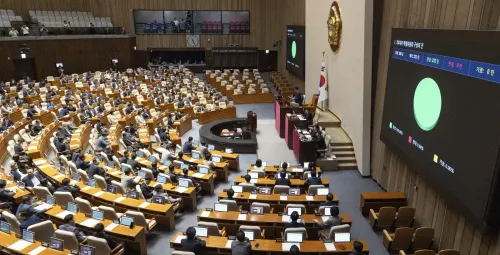
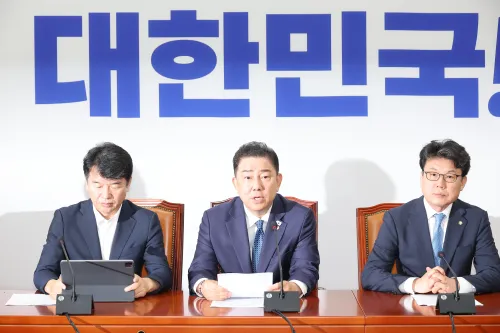
Seoul, Dec 1 (NationPress) In a significant development, rival political factions have achieved a preliminary consensus on Monday to maintain the budget for the upcoming year in line with the government's original framework. This comes as both parties engage in intense last-minute discussions, just a day ahead of the National Assembly's mandated deadline for bill approval, as reported by officials.
The ruling Democratic Party (DP) and the principal opposition People Power Party (PPP) have faced ongoing disputes concerning crucial aspects of the proposed 728 trillion-won budget (USD498 billion), particularly regarding financing for local gift certificate initiatives. Additional contentious issues include allocations for policy funds, special activity expenditures from the presidential office, and various taxes related to education, as highlighted by Yonhap News Agency.
Following an extensive meeting, DP Deputy Floor Leader Moon Jin-seog informed the media that discussions concerning expenditure reductions have reached a conclusion, with both parties agreeing to limit the overall cuts to approximately 4 trillion won.
He also emphasized the parties' acknowledgment of the necessity to enhance funding for vital items, including mandatory spending, and that discussions on detailed adjustments will persist.
“The two sides seem to be moving closer to finalizing an agreement,” another DP representative remarked to Yonhap News Agency.
A major sticking point has been the corporate tax rate. The DP aims to reverse tax reductions implemented during the previous Yoon Suk Yeol administration, while the PPP opposes increasing taxes, citing the potential burden on businesses.
The two factions have also disagreed regarding the PPP's call for a parliamentary investigation into the prosecution's choice not to appeal a lower court's decision involving a controversial real estate project in Seongnam, Gyeonggi Province.
This case revolves around accusations that obscure private asset management companies, such as Hwacheon Daeyu, were permitted to gain substantial profits from the 2015 Daejang-dong development while President Lee Jae Myung served as mayor.
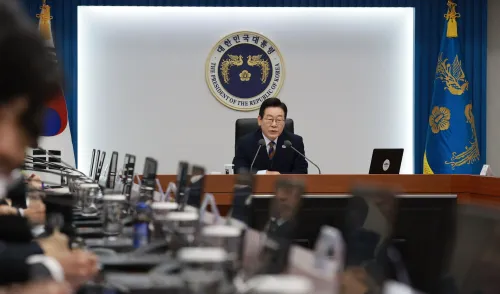
“We will guarantee that the inaugural budget of the Lee Jae Myung administration is approved within the stipulated timeframe,” stated DP leader Jung Chung-rae during the party's supreme council meeting earlier in the day.
Simultaneously, the PPP has urged the DP to reduce what it has labeled as “populist expenditure,” insisting on cuts to the 1.15 trillion won allocated for local gift certificate programs.
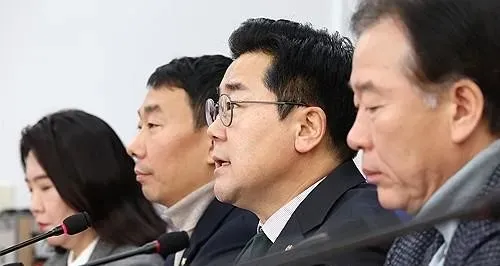
At the PPP's supreme council meeting, Representative Kim Do-eup criticized the DP's proposal for a corporate tax increase, arguing that it would adversely affect all businesses, including small and medium-sized enterprises, at a time when they are already facing challenges from high exchange rates, inflation, and interest rates.
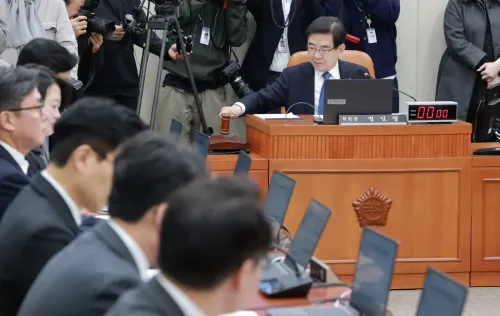
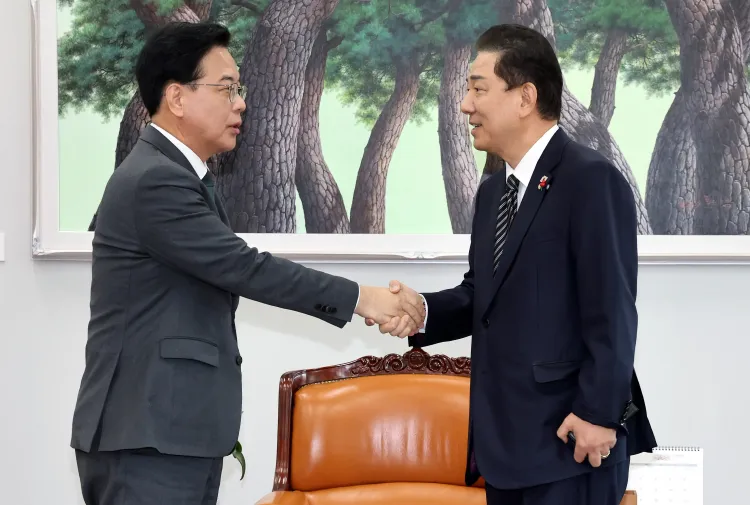
Floor leaders from both parties—DP floor leader Rep. Kim Byung-kee and his PPP counterpart, Rep. Song Eon-seog—gathered earlier at the National Assembly to address their differences.
Although the legal deadline for passing the budget plan is set for Dec. 2, the National Assembly has a history of missing deadlines due to political disputes between opposing parties.
Point of View
It is crucial to recognize the ongoing complexities surrounding South Korea's budget negotiations. The focus should remain on the impacts of these decisions on citizens and businesses alike. The nation needs a balanced budget that addresses pressing issues while also promoting economic growth. Cooperation between rival parties is essential for progress.
NationPress
31 Aug 2026
Frequently Asked Questions
What is the proposed budget for South Korea in 2026?
The proposed budget for South Korea in 2026 is 728 trillion won, approximately USD498 billion.
Which political parties are involved in the budget negotiations?
The ruling Democratic Party (DP) and the main opposition People Power Party (PPP) are the two parties involved in the budget negotiations.
What are the main points of contention in the budget discussions?
Key points of contention include funding for local gift certificate programs, corporate tax rates, and policy funds.
What is the significance of the budget deadline?
The deadline for passing the budget is crucial as it impacts governmental operations and funding for essential services.
What might happen if the budget is not approved by the deadline?
If the budget is not approved by the deadline, it could lead to delays in funding essential services and programs, potentially impacting the economy.